
One Nation’s Historic Win in Farrer Sparks Fresh Fears of Coalition Collapse as Tensions Boil Over in Heated TV Clash
- One Nation secures its first-ever House of Representatives seat in historic by-election win
- Social Services Minister Tanya Plibersek brands result “a disaster for the Coalition” as One Nation eyes Labor-held western Sydney seats
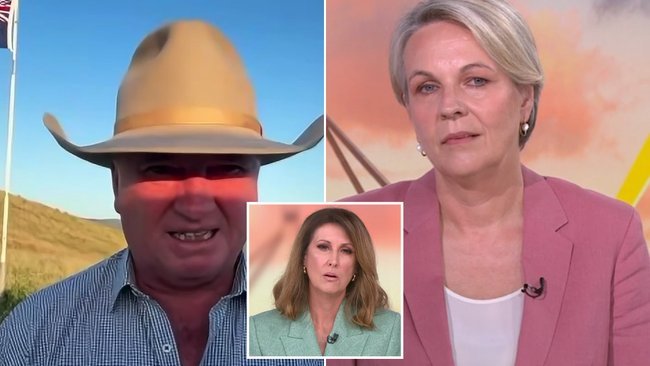
- Heated TV clash erupts between Plibersek and One Nation MP Barnaby Joyce over immigration, cost of living pressures, and climate policies
- Redbridge pollster Kos Samarase warns One Nation is “poised to clean up everything in regional New South Wales” at the next federal election
The shock win by One Nation in the seat of Farrer has sent tremors through the Australian political landscape, sparking fresh fears of a Coalition collapse and setting the stage for a heated battle for western Sydney.
Social Services Minister Tanya Plibersek has branded the result “a disaster for the Coalition”, warning that the government needs to “listen to what people are saying” and take action on key issues like tax cuts, wages, childcare costs, and energy bill relief.
The by-election, triggered by former Liberal leader Sussan Ley’s resignation, saw One Nation secure its first-ever House of Representatives seat and end the Coalition’s decades-long hold on Farrer.
The result has been hailed as a major victory for the party, which is now eyeing Labor-held western Sydney seats, including Energy Minister Chris Bowen’s electorate.
One Nation MP Barnaby Joyce defended the party’s momentum, arguing that voters are frustrated by cost-of-living pressures, power bills, and climate policies.




But the win has also sparked a heated debate over immigration, with Plibersek and Joyce clashing in a fiery TV exchange.
Plibersek accused One Nation of being “pretty good at having a whinge and identifying problems, but not so great at finding solutions”, pointing to the party’s voting record on issues like higher wages and better conditions for working Australians.
Joyce countered that Labor had overseen “massive immigration, over 400,000 people a year”, creating pressure on housing, schools, and hospitals.
The debate highlights the deepening divisions within Australian politics, with One Nation’s rise to prominence sparking concerns about the country’s immigration policies and the impact on local communities.
As the party looks to expand its reach in western Sydney, the government is under pressure to address the concerns of voters who feel left behind by the major parties.
Analysis: What This Means for Australia
The One Nation win in Farrer is a wake-up call for the Coalition, highlighting the growing discontent among voters in regional Australia. The party’s success in tapping into concerns about cost of living pressures, immigration, and climate policies has significant implications for the government’s re-election chances.
As One Nation eyes Labor-held seats in western Sydney, the Coalition will need to rethink its strategy and address the concerns of voters who feel disillusioned with the major parties.
Security analysts say that the rise of One Nation poses a significant challenge for the Coalition, which will need to balance its own policies with the need to appeal to voters who are increasingly looking for alternatives.
Law enforcement insiders warn that the party’s tough stance on immigration and border control could lead to increased tensions and social unrest, particularly in areas with high migrant populations.
Industry observers believe that the One Nation win in Farrer is a symptom of a broader trend towards populism and nationalism in Australian politics.
As the country grapples with the challenges of globalization and technological change, voters are increasingly looking for parties that can provide simple solutions to complex problems.
The question is whether One Nation can sustain its momentum and translate its by-election win into a broader national movement.