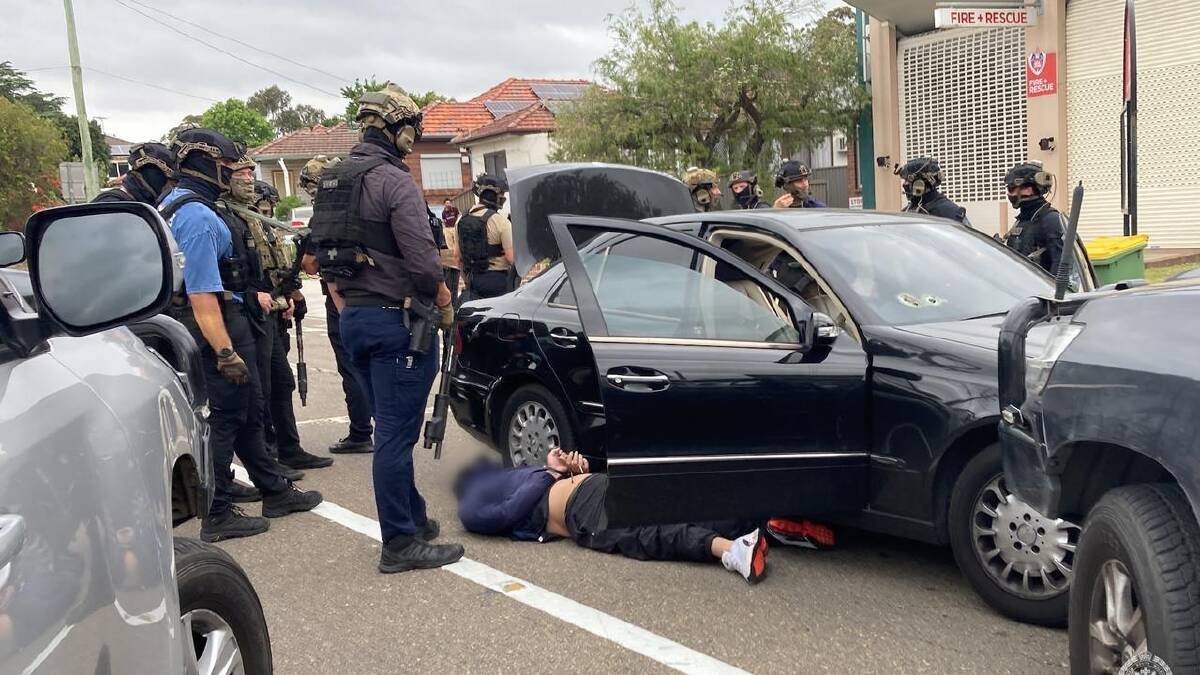
Tough New Laws to Tackle Sydney’s Gang Violence: NSW Government Cracks Down on ‘Kill Cars’ and Child Recruitment
- New legislation targets public-place shootings, arson, and recruitment of young people for organised crime
- Maximum penalties increased for destroying vehicles by fire and recruiting children for criminal activities
- Police Minister Yasmin Catley says changes will deter people from getting involved with organised crime
- NSW Police Commissioner Mal Lanyon warns of the insidious nature of organised crime and its use of the dark web
The NSW government has taken a significant step in tackling the escalating gang violence in Sydney, introducing new legislation that targets the use of “kill cars”, recruitment of young people for organised crime, and public-place shootings and arson.
The proposed changes aim to deter people from getting involved with organised crime and provide police with greater powers to disrupt and prevent criminal activity.
At the heart of the new legislation is a crackdown on the use of “kill cars”, vehicles that have been stolen, often months in advance, and fitted with cloned plates and a kit to help commit and get away with murder.
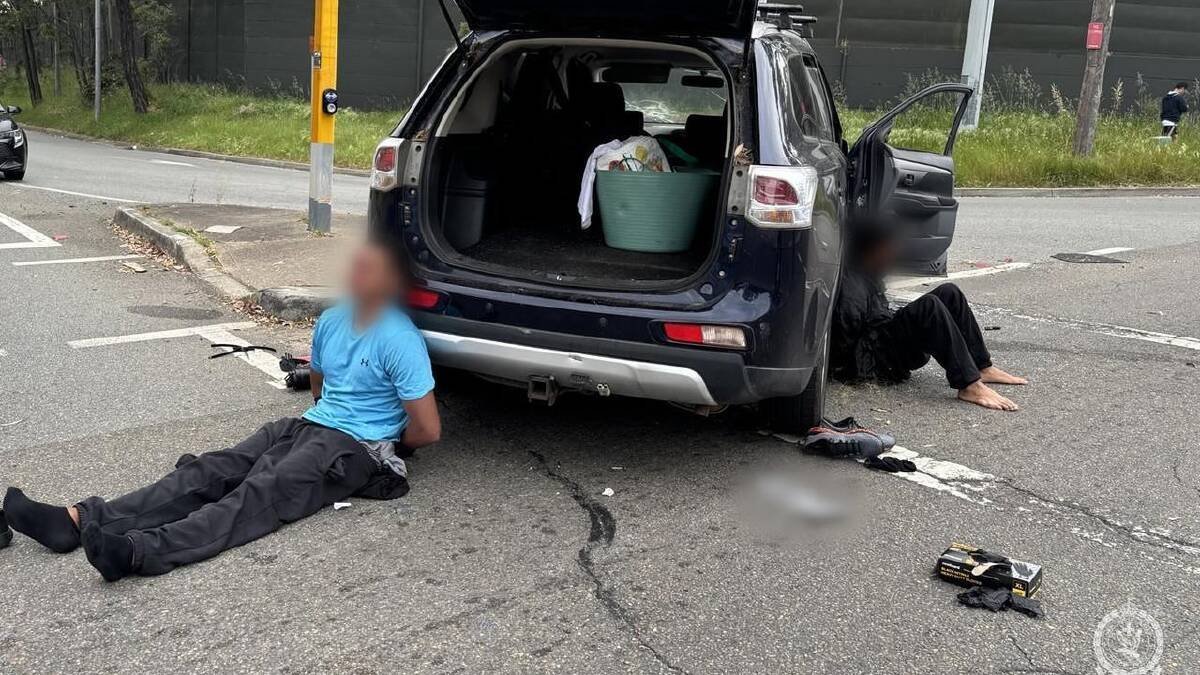
These vehicles have become an increased focus for investigators amid Sydney’s recent gang violence, with police alleging that they are often used to carry out serious crimes such as firearms supply, drug trafficking, and illicit tobacco offences.
The proposed laws also aim to curb the recruitment of young people for criminal activity, with police speaking of grappling with young men being recruited by warring crime factions for small sums of money in encrypted group chats.




The maximum penalty for the recruitment of children for criminal activities will increase from 10 to 12 years’ imprisonment, going up to 15 years if the child is under 16.
Recruiting a child to steal a vehicle or conduct a serious crime will be a new aggravated offence with up to 15 years’ imprisonment.
Shooting a pistol or firearm in public will be punishable by up to 14 years’ imprisonment under a new aggravated offence, while the maximum penalty for shooting at a building or dwelling will increase to 18 years’ imprisonment.
An individual who recklessly targets a business with arson will be punished with a new offence and face up to 14 years in jail.
Police Minister Yasmin Catley says the proposed changes will be critical in curbing the use of digital recruitment within organised crime and will give police access to devices belonging to criminals.
“We’re seeing young people being engaged in terrible organised crimes that they really don’t understand the consequences of, and they’re being done through their digital devices from a handler who can be thrice removed,” she said.
NSW Police Commissioner Mal Lanyon warned of the insidious nature of organised crime and its use of the dark web to contract young people to conduct offences.
“For example, procuring a vehicle which we would colloquially call a ‘kill car’, finding a firearm or actually taking part in the murder itself,” he said.
Analysis: What This Means for Australia
The proposed legislation is a significant step in tackling the growing problem of organised crime in NSW, particularly in Sydney.
The use of “kill cars” and the recruitment of young people for criminal activity are major concerns for law enforcement, and the increased penalties and new offences will provide police with greater powers to disrupt and prevent these activities.
The legislation also highlights the need for a more comprehensive approach to addressing organised crime, including the use of digital technology and the dark web. The proposed changes will give police access to devices belonging to criminals, which will help to prevent and disrupt criminal activity.
However, the success of the legislation will depend on its implementation and enforcement. The NSW government must ensure that the laws are effectively enforced and that police have the necessary resources to tackle organised crime.
The community also has a role to play in reporting suspicious activity and supporting law enforcement efforts.
Expert commentary suggests that the legislation is a step in the right direction, but more needs to be done to address the root causes of organised crime.
“The legislation is a good start, but it’s just the tip of the iceberg,” said one security analyst. “We need to address the underlying issues, such as poverty and lack of opportunities, that drive young people to get involved in organised crime.”
The proposed legislation is expected to be passed by the NSW parliament in the coming weeks, and will come into effect soon after. The NSW government has assured that the prisons will have the capacity to absorb any extra inmates resulting from the new laws.