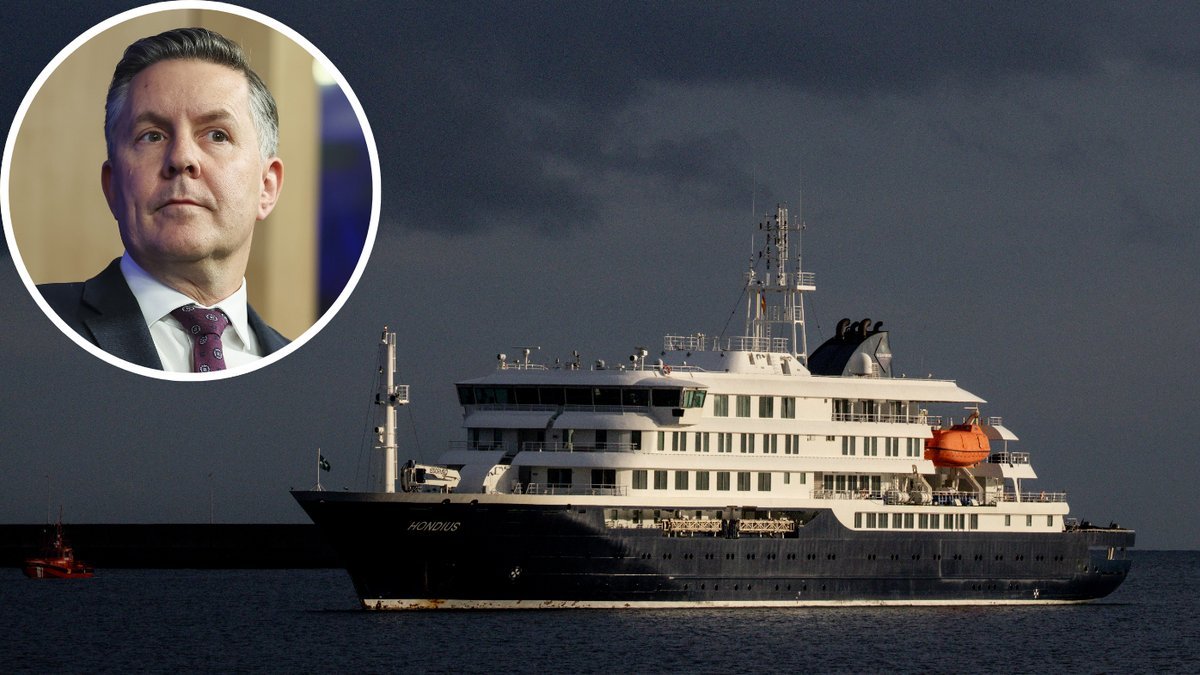
Australia Prepares for Hantavirus Scare as Five Nationals and One Kiwi Set to Arrive in Perth Amid Global Outbreak Fears
- Federal Health Minister Mark Butler confirms five Australians and one New Zealander on board the hantavirus-stricken cruise ship MV Hondius are “in good health” and set to arrive in Perth later this week.
- The passengers will be flown to the Royal Australian Air Force military air base and then transported to the Bullsbrook quarantine centre for at least three weeks of isolation.
- WA’s Health Minister Meredith Hammat assures the state’s tertiary hospitals are equipped to deal with an “unlikely” infection, as the government progresses plans to bring the passengers to Perth.
- The hantavirus outbreak has claimed the lives of three passengers on the cruise ship, with a French national in critical condition in an overseas hospital.
The Australian government is racing against time to bring home five nationals and one New Zealander who were on board the hantavirus-stricken cruise ship MV Hondius.
The passengers, who are currently in the Netherlands, are set to arrive in Perth later this week and will be quarantined at the Bullsbrook facility for at least three weeks.
Federal Health Minister Mark Butler has confirmed that the passengers are “in good health” and in “relatively good spirits” despite their ordeal.
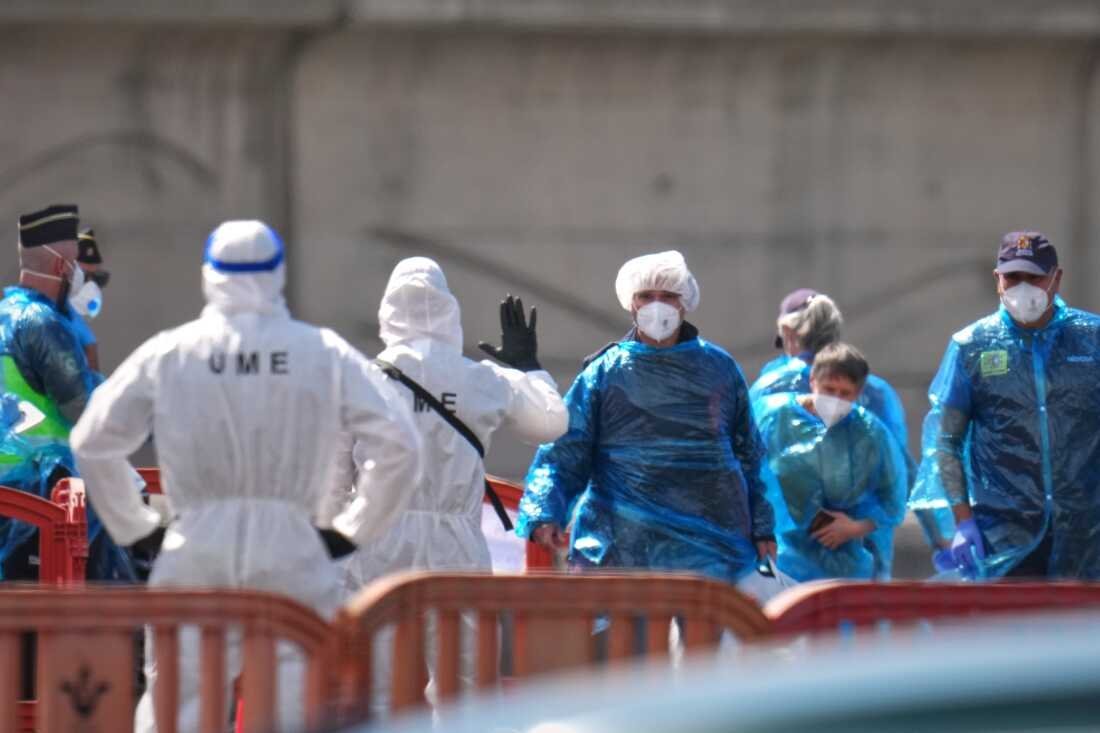
The MV Hondius, which was on a voyage from South America to Europe, was struck by a hantavirus outbreak that has claimed the lives of three passengers.
A French national is currently in critical condition in an overseas hospital. The hantavirus, a rodent-borne illness, has sparked global concerns and prompted the Australian government to take swift action to repatriate its citizens.


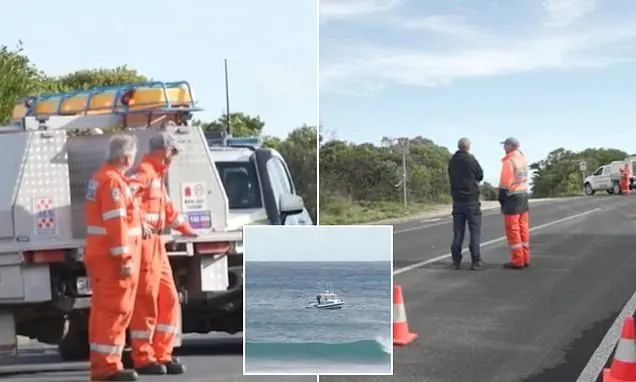

The passengers will be flown to the Royal Australian Air Force military air base in Perth and then transported to the Bullsbrook quarantine centre, where they will be cared for by staff from the National Critical Care and Trauma Response Centre in Darwin.
The staff, according to Minister Butler, are “highly experienced in dealing with infectious disease emergencies and a range of other medical emergencies both here in Australia and across the region.”
The Australian government has put in place strict quarantine measures to ensure the safety of the broader community.
The passengers will be isolated for at least three weeks, with further quarantine measures possible beyond that period to adhere to the World Health Organisation’s recommended 42-day isolation time frame for the hantavirus.
Minister Butler has assured Australians that the quarantine arrangements are the strongest in the world and will ensure that there is no risk to the community from this tragedy.
Analysis: What This Means for AustraliaThe hantavirus outbreak on the MV Hondius has significant implications for Australia’s national security and public health.
The swift action taken by the government to repatriate its citizens demonstrates the country’s commitment to protecting its people from global health threats. However, the incident also highlights the need for continued investment in Australia’s quarantine facilities and emergency response systems.
As the world becomes increasingly interconnected, the risk of infectious diseases spreading across borders grows.
The hantavirus outbreak on the MV Hondius serves as a stark reminder of the importance of having robust quarantine measures in place to protect the community.
The Australian government’s decision to use the Bullsbrook facility, which was built during the COVID-19 pandemic, demonstrates its commitment to being prepared for such emergencies.
Security analysts say that the hantavirus outbreak on the MV Hondius highlights the need for increased cooperation between governments and health authorities to respond to global health threats.
The incident also underscores the importance of having strict quarantine measures in place to prevent the spread of infectious diseases. Law enforcement insiders warn that the hantavirus outbreak on the MV Hondius may have significant implications for the cruise ship industry.
The incident may lead to increased scrutiny of the industry’s health and safety protocols, and potentially even changes to the way cruise ships operate. Industry observers believe that the hantavirus outbreak on the MV Hondius may also have economic implications for the tourism industry.
The incident may lead to a decline in bookings for cruises and travel to affected areas, potentially having a significant impact on local economies.
As the situation continues to unfold, Australians can take comfort in the knowledge that their government is taking swift and decisive action to protect them from the hantavirus threat.
However, the incident serves as a stark reminder of the importance of being prepared for global health emergencies and the need for continued investment in Australia’s quarantine facilities and emergency response systems.
The Australian government is racing against time to bring home five nationals and one New Zealander who were on board the hantavirus-stricken cruise ship MV Hondius. The passengers, who are currently in the Netherlands, are set to arrive in Perth later this week and will be quarantined at the Bullsbrook facility for at least three weeks. Federal Health Minister Mark Butler has confirmed that the passengers are “in good health” and in “relatively good spirits” despite their ordeal.
The MV Hondius, which was on a voyage from South America to Europe, was struck by a hantavirus outbreak that has claimed the lives of three passengers. A French national is currently in critical condition in an overseas hospital. The hantavirus, a rodent-borne illness, has sparked global concerns and prompted the Australian government to take swift action to repatriate its citizens.
The passengers will be flown to the Royal Australian Air Force military air base in Perth and then transported to the Bullsbrook quarantine centre, where they will be cared for by staff from the National Critical Care and Trauma Response Centre in Darwin. The staff, according to Minister Butler, are “highly experienced in dealing with infectious disease emergencies and a range of other medical emergencies both here in Australia and across the region.”
The Australian government has put in place strict quarantine measures to ensure the safety of the broader community. The passengers will be isolated for at least three weeks, with further quarantine measures possible beyond that period to adhere to the World Health Organisation’s recommended 42-day isolation time frame for the hantavirus. Minister Butler has assured Australians that the quarantine arrangements are the strongest in the world and will ensure that there is no risk to the community from this tragedy.
The hantavirus outbreak on the MV Hondius has significant implications for Australia’s national security and public health. The swift action taken by the government to repatriate its citizens demonstrates the country’s commitment to protecting its people from global health threats. However, the incident also highlights the need for continued investment in Australia’s quarantine facilities and emergency response systems.
As the world becomes increasingly interconnected, the risk of infectious diseases spreading across borders grows. The hantavirus outbreak on the MV Hondius serves as a stark reminder of the importance of having robust quarantine measures in place to protect the community. The Australian government’s decision to use the Bullsbrook facility, which was built during the COVID-19 pandemic, demonstrates its commitment to being prepared for such emergencies.
Security analysts say that the hantavirus outbreak on the MV Hondius highlights the need for increased cooperation between governments and health authorities to respond to global health threats. The incident also underscores the importance of having strict quarantine measures in place to prevent the spread of infectious diseases.
Law enforcement insiders warn that the hantavirus outbreak on the MV Hondius may have significant implications for the cruise ship industry. The incident may lead to increased scrutiny of the industry’s health and safety protocols, and potentially even changes to the way cruise ships operate.
Industry observers believe that the hantavirus outbreak on the MV Hondius may also have economic implications for the tourism industry. The incident may lead to a decline in bookings for cruises and travel to affected areas, potentially having a significant impact on local economies.
As the situation continues to unfold, Australians can take comfort in the knowledge that their government is taking swift and decisive action to protect them from the hantavirus threat. However, the incident serves as a stark reminder of the importance of being prepared for global health emergencies and the need for continued investment in Australia’s quarantine facilities and emergency response systems.