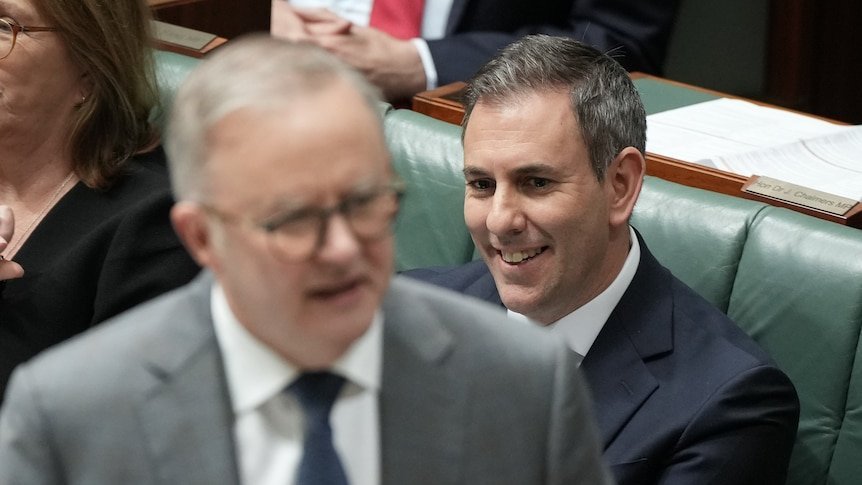
ALBO’S BIG GAMBLE: Prime Minister Takes a Risky Leap into the Tiger Pit of Tax Reform with ‘FAFO’ Budget
- The Albanese Government is set to introduce sweeping changes to negative gearing and capital gains tax discounts, which could have far-reaching consequences for Australian homeowners and investors.
- The move is a high-stakes gamble that could either boost housing affordability for younger voters or trigger a backlash from angry baby boomers and property investors.
- The Prime Minister is betting on delivering better housing affordability, but experts warn of potential downsides, including higher rents and lower house prices.
- The Liberal Party is already gearing up for a scare campaign, with warnings of “rent taxes” and “house prices crashing” due to the Labor Party’s tax grab.
The Australian government is about to embark on a bold experiment, one that could either pay off big time or end in disaster.
The Prime Minister, Anthony Albanese, and his Treasurer, Jim Chalmers, are strapping on their metaphorical red FAFO suits and leaping wildly into the tiger pit of tax reform.
The question on everyone’s mind is: will it work? At the heart of the government’s plan is a radical overhaul of negative gearing and capital gains tax discounts.
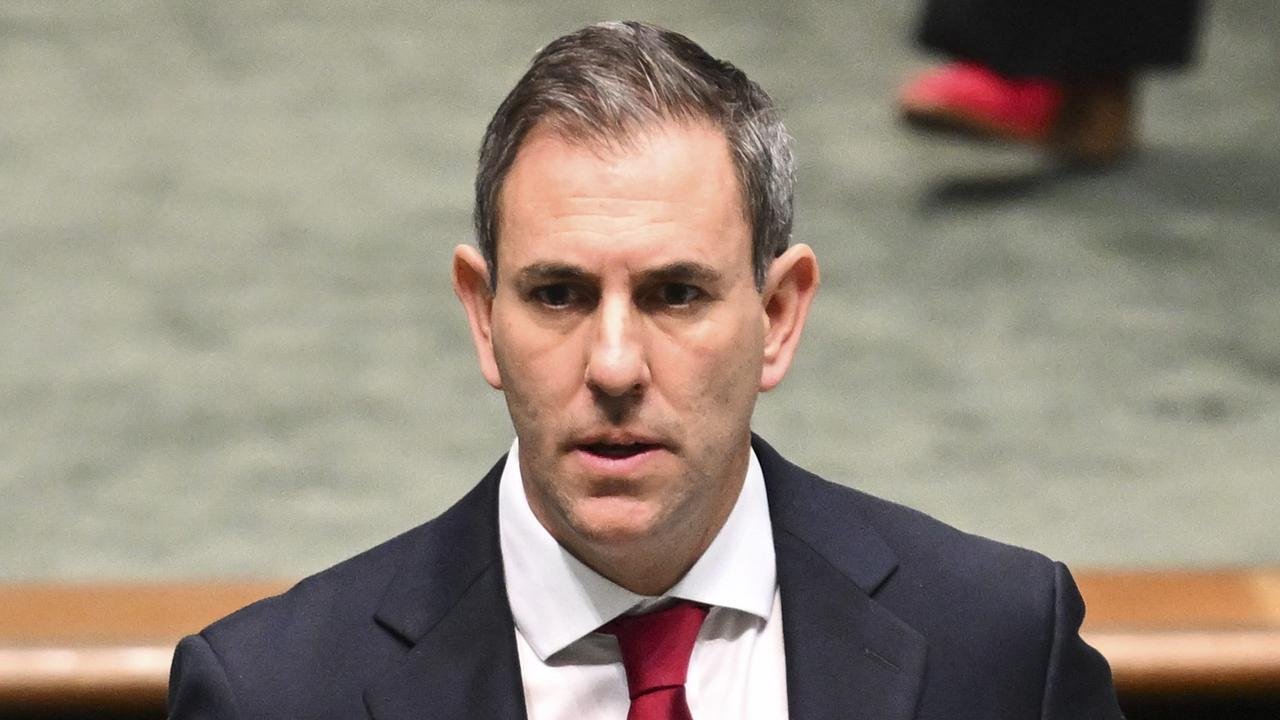
The aim is to make housing more affordable for younger Australians, but the consequences could be far-reaching.
According to the budget, the changes are expected to raise $4.5 billion over four years, which will help pay for an extra $250 tax cut for workers.



However, critics warn that the move could also lead to higher rents and lower house prices. The government’s plan to reform negative gearing and capital gains tax discounts has been a long time coming.
In fact, the Labor Party has been thinking about these changes for over a decade. They first tried to introduce them in 2016, but were met with fierce resistance from the Liberal Party and ultimately lost the election.
Two years later, they tried again, but were defeated once more. Now, with the housing affordability crisis reaching boiling point, the government is taking another shot.
So, what exactly does the government’s plan entail? In a nutshell, it involves limiting negative gearing to new properties and reducing the capital gains tax discount from 50% to 30%.
The changes are designed to encourage investors to focus on new properties, rather than existing ones, which should help to increase the supply of housing and drive down prices.
However, the move is unlikely to be popular with property investors, who stand to lose out on lucrative tax breaks.
The Liberal Party is already gearing up for a scare campaign, with warnings of “rent taxes” and “house prices crashing” due to the Labor Party’s tax grab.
But the government insists that the changes are necessary to address the housing affordability crisis, which has left many Australians struggling to get a foot on the ladder.
According to the government’s own projections, the changes will help 75,000 younger Australians buy their first home.
Analysis: What This Means for AustraliaSo, what does this mean for Australia?
On the one hand, the government’s plan could help to address the housing affordability crisis and make it easier for younger Australians to buy their first home.
On the other hand, the changes could have unintended consequences, such as higher rents and lower house prices.
The government’s projections suggest that rents could rise by $2 a week and house price growth could come off by 2%, but these assumptions are likely to be optimistic.
Security analysts say that the government’s plan is a high-stakes gamble that could either pay off big time or end in disaster. “The government is taking a risk by introducing these changes, but it’s a risk that’s necessary to address the housing affordability crisis,” said one analyst.
“However, the consequences of getting it wrong could be severe, including higher rents and lower house prices.”
Law enforcement insiders warn that the changes could also have implications for the black economy, with some investors potentially seeking to avoid paying tax by using dodgy accounting practices.
“The government needs to be careful not to create unintended consequences, such as driving the problem underground,” said one insider.
Industry observers believe that the government’s plan is a step in the right direction, but more needs to be done to address the root causes of the housing affordability crisis.
“The government’s plan is a good start, but it’s just the tip of the iceberg,” said one observer.
“We need to see more action on increasing the supply of housing and addressing the underlying drivers of the crisis.”
As the government’s plan takes effect, one thing is certain: it will be a wild ride.
The Prime Minister, the Treasurer, and the Finance Minister are strapping on their red FAFO suits and leaping into the unknown. Will they emerge unscathed, or will they become the latest casualties of the tiger pit of tax reform?
Only time will tell.
The Australian government is about to embark on a bold experiment, one that could either pay off big time or end in disaster. The Prime Minister, Anthony Albanese, and his Treasurer, Jim Chalmers, are strapping on their metaphorical red FAFO suits and leaping wildly into the tiger pit of tax reform. The question on everyone’s mind is: will it work?
At the heart of the government’s plan is a radical overhaul of negative gearing and capital gains tax discounts. The aim is to make housing more affordable for younger Australians, but the consequences could be far-reaching. According to the budget, the changes are expected to raise $4.5 billion over four years, which will help pay for an extra $250 tax cut for workers. However, critics warn that the move could also lead to higher rents and lower house prices.
The government’s plan to reform negative gearing and capital gains tax discounts has been a long time coming. In fact, the Labor Party has been thinking about these changes for over a decade. They first tried to introduce them in 2016, but were met with fierce resistance from the Liberal Party and ultimately lost the election. Two years later, they tried again, but were defeated once more. Now, with the housing affordability crisis reaching boiling point, the government is taking another shot.
So, what exactly does the government’s plan entail? In a nutshell, it involves limiting negative gearing to new properties and reducing the capital gains tax discount from 50% to 30%. The changes are designed to encourage investors to focus on new properties, rather than existing ones, which should help to increase the supply of housing and drive down prices. However, the move is unlikely to be popular with property investors, who stand to lose out on lucrative tax breaks.
The Liberal Party is already gearing up for a scare campaign, with warnings of “rent taxes” and “house prices crashing” due to the Labor Party’s tax grab. But the government insists that the changes are necessary to address the housing affordability crisis, which has left many Australians struggling to get a foot on the ladder. According to the government’s own projections, the changes will help 75,000 younger Australians buy their first home.
So, what does this mean for Australia? On the one hand, the government’s plan could help to address the housing affordability crisis and make it easier for younger Australians to buy their first home. On the other hand, the changes could have unintended consequences, such as higher rents and lower house prices. The government’s projections suggest that rents could rise by $2 a week and house price growth could come off by 2%, but these assumptions are likely to be optimistic.
Security analysts say that the government’s plan is a high-stakes gamble that could either pay off big time or end in disaster. “The government is taking a risk by introducing these changes, but it’s a risk that’s necessary to address the housing affordability crisis,” said one analyst. “However, the consequences of getting it wrong could be severe, including higher rents and lower house prices.”
Law enforcement insiders warn that the changes could also have implications for the black economy, with some investors potentially seeking to avoid paying tax by using dodgy accounting practices. “The government needs to be careful not to create unintended consequences, such as driving the problem underground,” said one insider.
Industry observers believe that the government’s plan is a step in the right direction, but more needs to be done to address the root causes of the housing affordability crisis. “The government’s plan is a good start, but it’s just the tip of the iceberg,” said one observer. “We need to see more action on increasing the supply of housing and addressing the underlying drivers of the crisis.”
As the government’s plan takes effect, one thing is certain: it will be a wild ride. The Prime Minister, the Treasurer, and the Finance Minister are strapping on their red FAFO suits and leaping into the unknown. Will they emerge unscathed, or will they become the latest casualties of the tiger pit of tax reform? Only time will tell.