Aboriginal Leaders Slam ‘Devastating’ Child Safety Reforms as ‘Racist’ and ‘Dangerous’, Warning of Another ‘Stolen Generation’
- Proposed reforms would make it easier for child protection workers to remove Indigenous children from their families, sparking outrage among Aboriginal leaders.
- The reforms are seen as a threat to Indigenous culture and community, with many warning of a repeat of the ‘stolen generation’ tragedy.
- Aboriginal Peak Organisations Northern Territory chair Theresa Roe says the reforms portray Indigenous families and communities as ‘risks to child safety’.
- The NT government claims the reforms aim to strengthen parental accountability and earlier intervention for at-risk children, but critics argue they will only exacerbate existing problems.
The Northern Territory government’s proposed child safety reforms have been met with fierce resistance from Aboriginal leaders, who claim the changes will perpetuate racism and put Indigenous children at greater risk of being removed from their families.
The reforms, which would give child protection workers more power to remove vulnerable children, have been labelled as ‘devastating’ and ‘dangerous’ by critics, who warn of a repeat of the ‘stolen generation’ tragedy.
At the heart of the controversy is the Care and Protection of Children Amendment Bill, which was tabled on Wednesday.
The bill would make a child’s safety the main concern in considering whether to remove them from their family, and would allow case workers to override the Aboriginal Child Placement Principle, a national framework that prioritises placing Indigenous children with their kin or community.
The NT government claims the reforms are necessary to strengthen parental accountability and earlier intervention for at-risk children, but critics argue they will only exacerbate existing problems.




Aboriginal Peak Organisations Northern Territory chair Theresa Roe says the reforms portray Indigenous families and communities as ‘risks to child safety’, and would have devastating consequences for generations of Aboriginal Territorians.
“Lowering the threshold for child removal and fast-tracking long-term placements will deepen an already devastating crisis,” she said.
“Many studies have shown that culture and connection to Country are protective factors for children, yet these reforms would ignore this evidence and instead perpetuate the racist assumption that Indigenous families are inherently ‘risky’.”
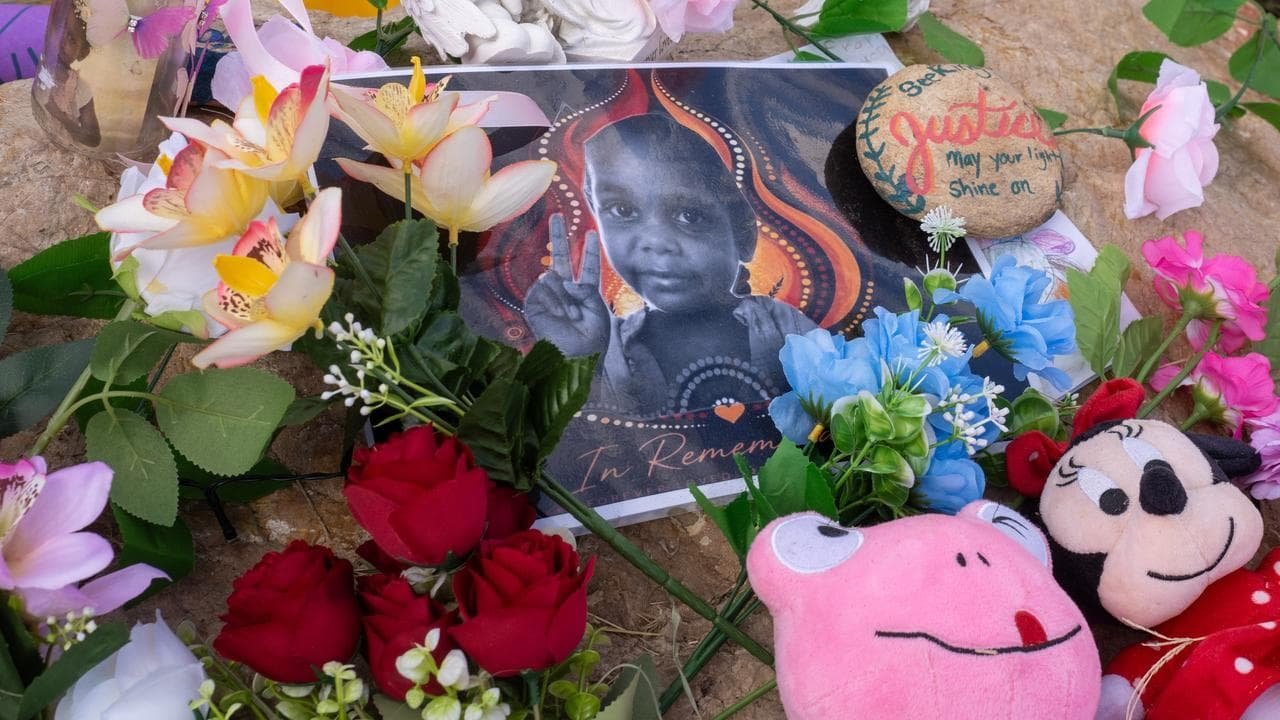
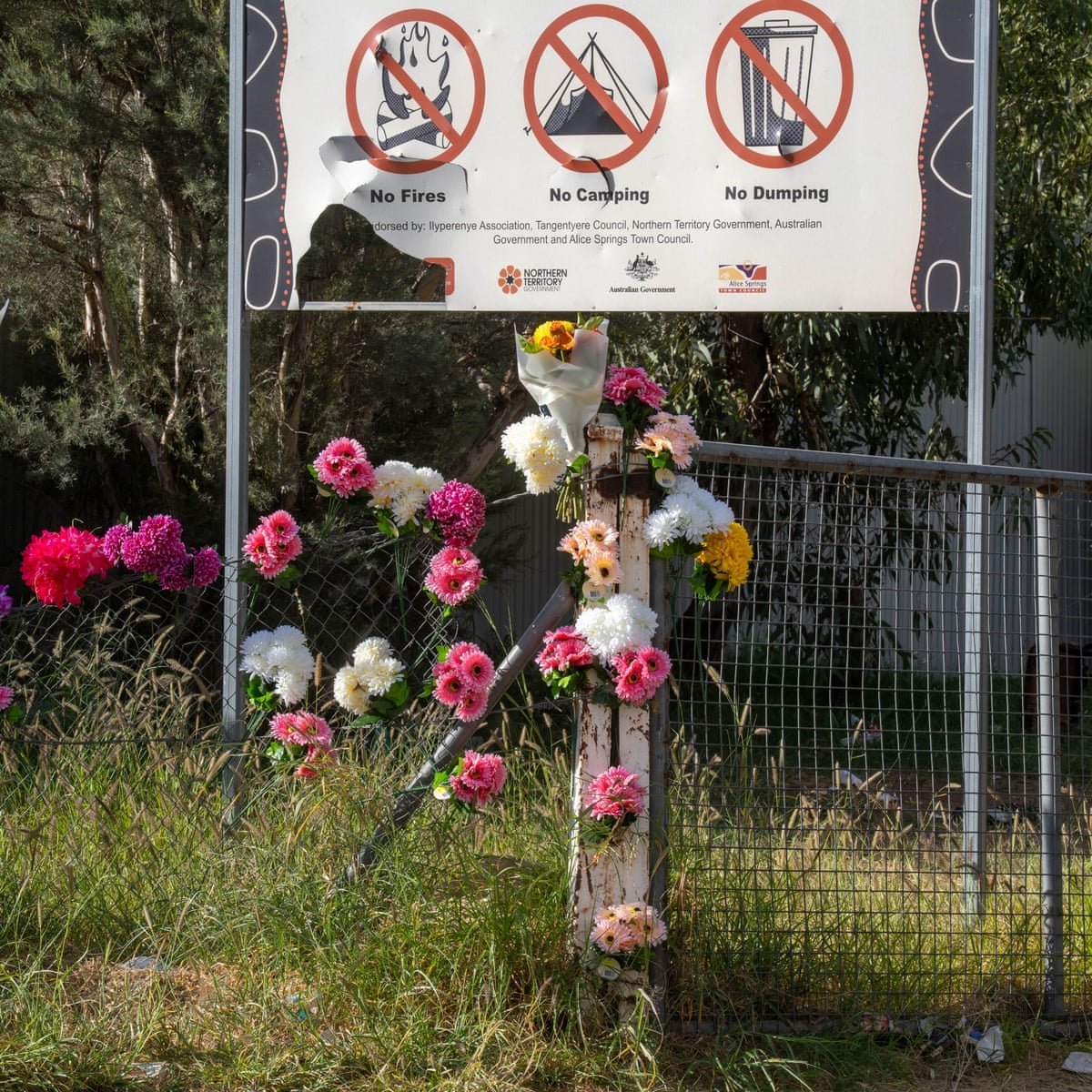
The reforms come as the NT government announces an independent review into the conduct of child protection workers in the case of Kumanjayi Little Baby, a five-year-old Indigenous girl who was allegedly murdered at a town camp near Alice Springs on Anzac Day.
Three NT child protection workers have been suspended in connection with the case, and critics argue that the reforms would only serve to deflect attention from the government’s own failures in the area of child protection.
Analysis: What This Means for Australia
The proposed reforms have significant implications for Australia’s Indigenous communities, and raise serious concerns about the government’s commitment to reconciliation and Closing the Gap.
The reforms would perpetuate the racist stereotype that Indigenous families are inherently ‘risky’, and would ignore the evidence that culture and connection to Country are protective factors for children.
By overriding the Aboriginal Child Placement Principle, the reforms would also undermine the national framework that prioritises placing Indigenous children with their kin or community.
Security analysts say that the reforms would also have significant implications for national security, as they would perpetuate the cycle of disadvantage and disengagement that drives Indigenous youth into the justice system.
“The reforms would only serve to exacerbate existing social and economic problems in Indigenous communities,” said one analyst. “By ignoring the evidence and perpetuating racist stereotypes, the government is putting at risk the safety and wellbeing of Indigenous children and families.”
Law enforcement insiders warn that the reforms would also put additional pressure on already-stretched child protection services, and would create a culture of fear and mistrust among Indigenous families.
“The reforms would only serve to drive Indigenous families further underground, making it even harder for child protection workers to identify and support at-risk children,” said one insider.
Industry observers believe that the reforms would also have significant economic and social consequences, as they would perpetuate the cycle of disadvantage and disengagement that drives Indigenous youth into the justice system.
“The reforms would only serve to exacerbate existing social and economic problems in Indigenous communities,” said one observer.
“By ignoring the evidence and perpetuating racist stereotypes, the government is putting at risk the safety and wellbeing of Indigenous children and families, and undermining the nation’s economic and social prosperity.”