
Albanese Refuses to Rule Out ‘Death Tax’ Backflip as Government Faces Mounting Pressure Over Budget Backlash
- The Prime Minister’s comments have sparked fears that the government is preparing to cave in to critics of the controversial tax reform.
- The 30% tax on discretionary trusts, including those created under wills, has been labelled a ‘death tax’ by the Coalition.
- The government is facing opposition from its own MPs, with some warning that the tax could hurt inheritances and stifle entrepreneurship.
- The Greens have indicated they will not support the tax reform in its current form, leaving the government reliant on independent senators to pass the legislation.
The federal government is facing mounting pressure over its budget, with Prime Minister Anthony Albanese refusing to rule out changes to the contentious ‘death tax’ on discretionary trusts.
The tax, which is set to come into effect in 2028, has been widely criticized by the Coalition and some Labor MPs, who argue it could have unintended consequences for inheritances and entrepreneurship.
The government has been fielding questions about the tax reform during its nationwide campaign to promote the budget, with Albanese insisting that the tax is necessary to ensure that high-income earners are paying their fair share.
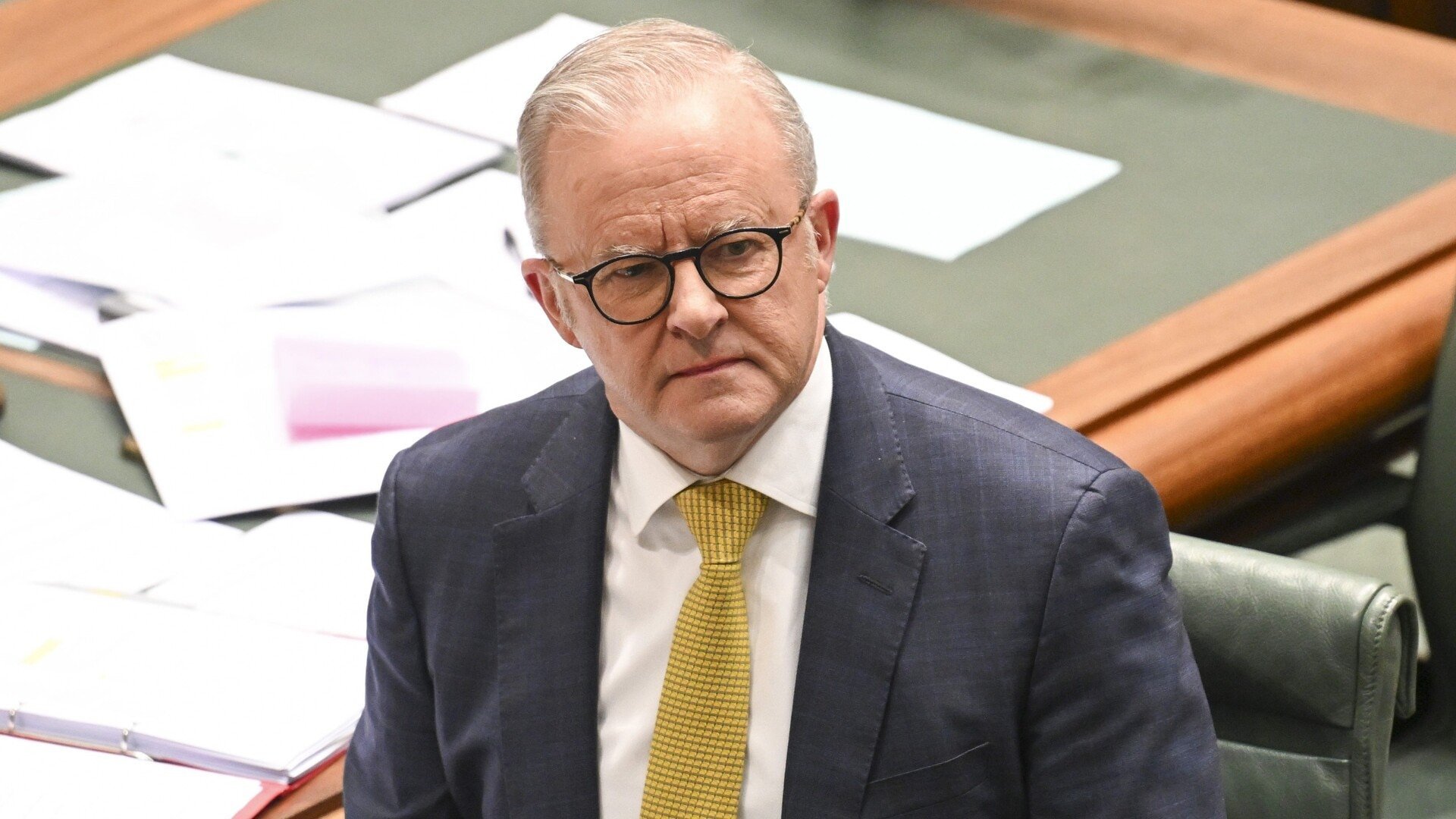
However, the Prime Minister’s comments at a press conference today have sparked fears that the government is preparing to cave in to critics of the tax.
When asked if he was considering a carve-out for discretionary testamentary trusts, Albanese said that the government would hold consultations before introducing the tax reform legislation to parliament.
Discretionary testamentary trusts are created under a will and take effect when the trustee dies. They allow beneficiaries to receive income or capital from the trust while avoiding paying extra income tax.
However, under the budget’s proposed changes, any testamentary trust that takes effect after May 12 will be subject to the minimum 30% tax rate when it comes into effect in two years.
There are currently around 10,000 testamentary trusts in Australia, according to the latest data from the Australian Tax Office.
The government’s tax reform package has been met with fierce opposition from the Coalition, with Opposition Leader Angus Taylor accusing the government of panicking over the reaction to the budget.
“They’re saying now that they’ll have a carve-out for tech entrepreneurs but not for a hairdresser, not for a fitness instructor,” Taylor said. “There’s a panic and they’re scrambling for the exit because they hadn’t realised what they were doing.”
Nationals Leader Matt Canavan said that the government was “desperately trying to plug holes in a budget that proved leaky”. “They haven’t been able to justify exactly why they are making these changes,” Canavan told Sky News.
“They’ve clearly done them either with an ill intent, a hidden agenda, or they just were totally ignorant of why these or how these changes would affect people’s wills and testaments.”
Greens Senator Nick McKim said that the government’s tax reform package did not go far enough to address the housing crisis or intergenerational inequity.
“The way that we are going to approach this is that we’ll wait to see the legislation, we’ll have a look at it, we’ll have a look at all the detail, we’ll listen to the debate and then we’ll work these processes,” McKim said.
“We want to see this package fairer and we want to see the balance of this package right.”
Analysis: What This Means for Australia
The government’s tax reform package has significant implications for Australia’s economy and society. The 30% tax on discretionary trusts could have a major impact on inheritance and wealth transfer, potentially stifling entrepreneurship and economic growth.
The government’s decision to grandfather negative gearing has also been criticized for failing to address the housing crisis.
Security analysts say that the tax reform package could have unintended consequences for national security, particularly in the area of counter-terrorism financing. “The government needs to be careful not to create unintended loopholes that could be exploited by malicious actors,” said one analyst.
Industry observers believe that the government’s tax reform package could have a major impact on the start-up sector, potentially stifling innovation and entrepreneurship. “The government needs to be careful not to create a disincentive for entrepreneurship and investment,” said one industry insider.
The government’s decision to hold consultations on the tax reform legislation is a positive step, but it remains to be seen whether the government will be willing to make significant changes to the package.
With the Greens indicating that they will not support the legislation in its current form, the government will need to rely on independent senators to pass the bill.