Revealed: Aussie Taxpayers Foot the Bill for Public Servants’ Lavish Business Class Journeys Amid Cost-of-Living Crisis
- A whopping $485,602 spent on business class flights to Turkey, Fiji, Germany, and Korea in just two months
- Energy Minister Chris Bowen defends expenses, claiming business class is the ‘normal standard’ for senior public servants
- Critics slam the government for ‘tone-deaf’ spending as Australians struggle with rising living costs
- Minister’s defence of $150m climate presidency budget sparks heated debate on Sunrise
Aussie taxpayers are reeling after it was revealed that public servants spent a staggering $485,602 on business class flights to exotic destinations like Turkey, Fiji, Germany, and Korea in just two months.
The lavish travel expenses, incurred in January and February, have sparked outrage as the nation grapples with a crippling cost-of-living crisis.
Energy Minister Chris Bowen found himself in the hot seat on Tuesday morning, defending the expenses on Sunrise. Host Nat Barr pressed the minister on how the government could justify the costs to taxpayers who are tightening their belts.
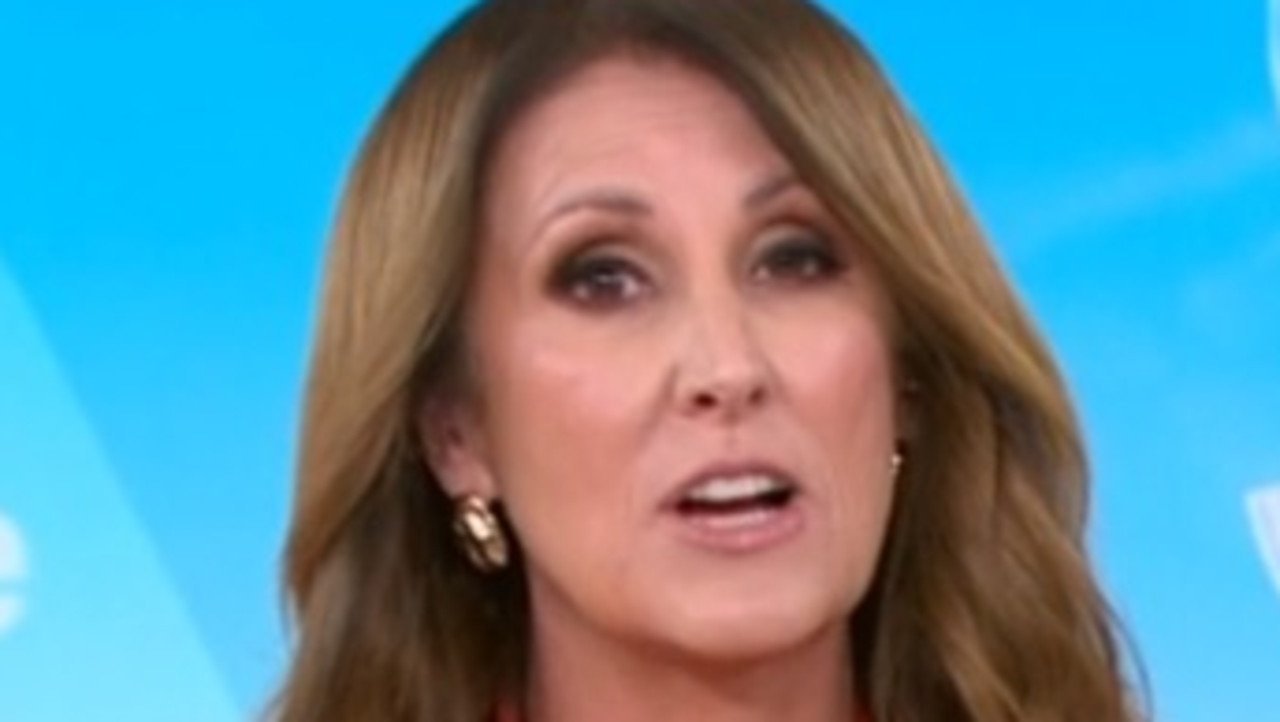
Bowen argued that business class is the normal standard of travel for senior public servants under all governments, but Barr was unimpressed.
“We’re in a cost-of-living crisis, people are cutting back, and they pick up the paper this morning and read that your guys and women spent $485,602 on trips to Turkey, Fiji, Germany and Korea,” Barr said, noting the trips were reportedly taken on business-class flights.


A quick check of current airfares reveals that Canberra to Nadi business class flights can cost four to six times more than economy fares.
Bowen insisted that Fiji was “a very important country in our region” and that such travel was necessary to maintain Australia’s influence in the Pacific. However, critics argue that the government’s spending is tone-deaf and out of touch with the struggles of everyday Australians.
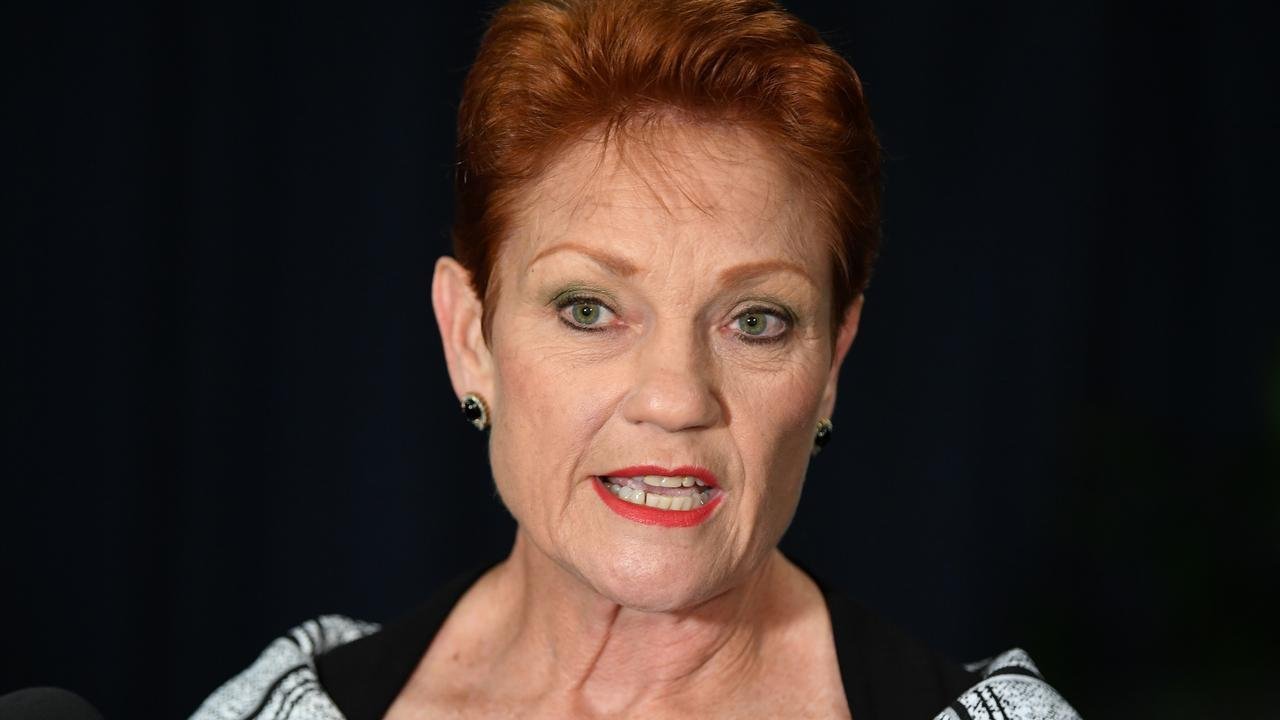
The controversy comes as the government is set to spend almost $150 million funding Bowen’s new role as president of negotiations at the next major UN climate conference, Conference of the Parties (COP).
The minister clarified that the actual cost of Australia’s role at COP was closer to $50 million as part of a broader $150 million engagement in the Pacific.
Analysis: What This Means for Australia
The revelation of lavish business class travel expenses has sparked heated debate about the government’s priorities and its handling of taxpayers’ money.
As the nation grapples with rising living costs, the government’s decision to spend hundreds of thousands of dollars on business class flights raises questions about its commitment to fiscal responsibility.
Security analysts say that the government’s spending habits may be a sign of a broader culture of entitlement among public servants. “It’s a classic case of ‘do as I say, not as I do’,” one analyst noted.
“The government is always telling Australians to tighten their belts, but it seems like they’re not taking their own advice.”
Industry observers believe that the controversy highlights the need for greater transparency and accountability in government spending. “Taxpayers have a right to know how their money is being spent,” said one expert.
“The government needs to be more transparent about its expenses and ensure that they’re getting value for money.”
As the debate rages on, one thing is clear: the government’s handling of taxpayers’ money will be under intense scrutiny in the lead-up to the next election.
With Australians struggling to make ends meet, the government’s priorities will be put to the test. Will they be able to justify their spending habits, or will they be seen as out of touch with the needs of everyday Australians?