‘Tears of Sorrow, Tears of Joy’: The Heart-Wrenching Story of Two Brothers Reunited After 55 Years, Torn Apart by Australia’s Shameful Stolen Generations
- Bruised by the past, two brothers meet for the first time after a DNA test revealed their shared Aboriginal heritage, separated by the Stolen Generations policies that ravaged Indigenous families.
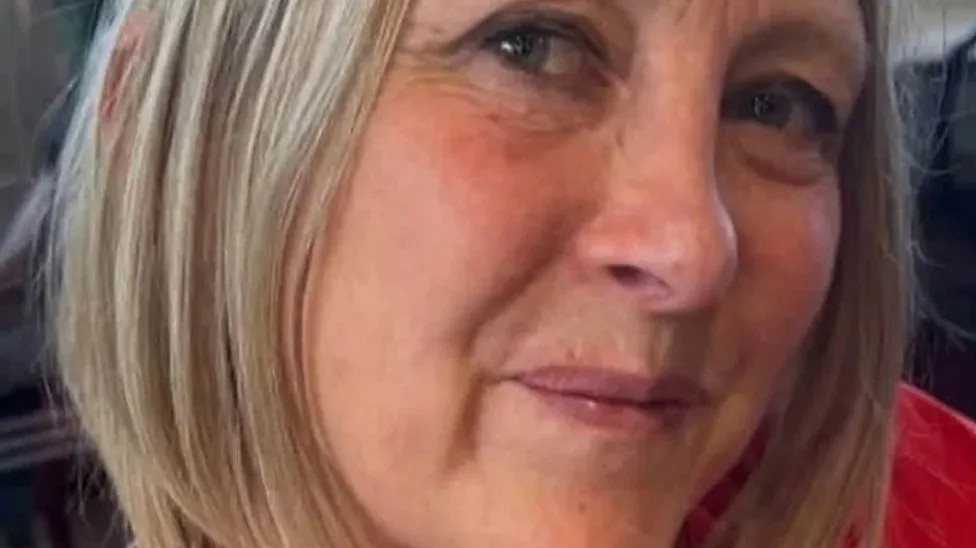
- Avis Gale, their mother, was taken from her Kokatha family at just one week old and raised in a mission home, later having her own child, Iain, taken from her.
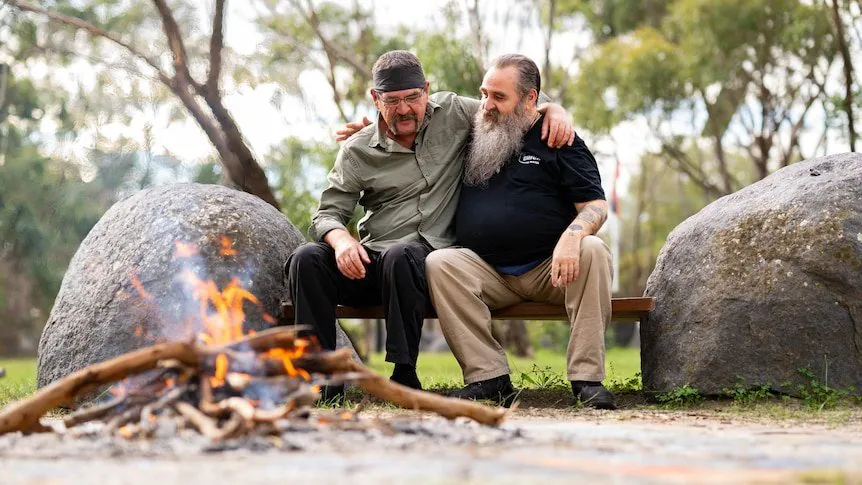
- The brothers, Iain Seymour and Allen Edwards, are now working together in Indigenous education and reconciliation, breaking the cycle of pain and trauma.
- A march will be held in Adelaide this weekend for National Reconciliation Week, as the nation grapples with the ongoing impact of the Stolen Generations on Indigenous Australians.
It’s a story of tears, of sorrow, and of joy – but most of all, it’s a story of resilience. For Iain Seymour and Allen Edwards, two brothers separated by Australia’s shameful Stolen Generations policies, their first meeting was a moment of pure elation.
But it was also tinged with sadness, a reminder of the pain and trauma inflicted on their family, and the countless others like them.
Iain, 61, and Allen, 55, were born to Avis Gale, a Kokatha woman who was taken from her mother at just one week old. Avis was raised in Colebrook Home, a mission house in Adelaide, where she was trained to be “white”.
Years later, she gave birth to Iain, who was adopted out to a white family. Avis then had Allen and two daughters, but the scars of her past lingered.
Fast forward to 2023, when Iain did a DNA test, revealing his Aboriginal heritage. He contacted Link Up SA, a service that reunites Stolen Generations families, and was stunned to discover he had a brother.
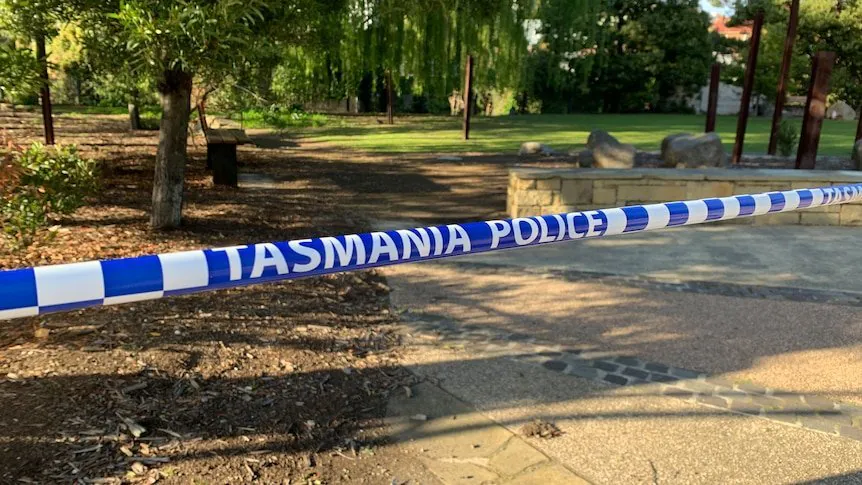
Allen, meanwhile, had always known he had a sibling out there, but never imagined he’d find him. Their meeting at Colebrook Reconciliation Park was nothing short of miraculous.
Colebrook Home, where Avis was raised, is now a reconciliation park, a testament to the horrors of the past and the power of healing. The Blackwood Reconciliation Group, which formed in 1994, runs educational tours at the park, sharing the stories of Stolen Generations survivors like Avis.
Allen and Iain are now part of this group, determined to break the cycle of pain and trauma in their family.
But their story is not unique.
The Stolen Generations policies that saw Indigenous children torn from their families may have ended over 50 years ago, but their impact is still felt today.
Allen’s children, for instance, are learning about their grandmother’s experiences in the mission home, passing down the trauma to a third generation.
As Australia marks National Reconciliation Week, Iain and Allen’s story is a powerful reminder of the work still to be done. The Blackwood Reconciliation Walk, held annually, is a symbol of the nation’s journey towards healing and reconciliation.
Analysis: What This Means for Australia
The Stolen Generations policies are a dark stain on Australia’s history, a reminder of the nation’s failure to protect its most vulnerable citizens. For Indigenous Australians, the trauma inflicted by these policies continues to have far-reaching consequences, from poor health outcomes to high rates of incarceration.
But Iain and Allen’s story also offers hope. Their reunion is a testament to the power of resilience and the human spirit.
As the nation grapples with the ongoing impact of the Stolen Generations, their story serves as a reminder of the need for continued reconciliation and healing.
“We could be sitting down with Avis or we could be sitting down with Lowitja O’Donoghue or Doris Kartinyeri or Mona Olsson,” says Mike Lawson, a member of the Blackwood Reconciliation Group.
“They were people who were telling us what it was like to be a child taken from their parents – maybe not seeing their parents for many, many years until they became adults.”
For Iain and Allen, their journey is just beginning. As they work together in Indigenous education and reconciliation, they’re determined to break the cycle of pain and trauma in their family.
Their story is a powerful reminder of the need for continued reconciliation and healing, as Australia grapples with the ongoing impact of the Stolen Generations.