Coroner Vows to Uncover the Truth Behind the Hillcrest Primary School Tragedy as Inquest into Six Children’s Deaths Nears
- Six innocent lives lost, three injured, and a community forever changed: the Hillcrest Primary School jumping castle disaster still haunts Tasmania nearly five years on
- Coroner Olivia McTaggart pushes for September inquest, citing the need for closure for the grieving families
- Witness list and scope of the inquest still unclear, with families calling for school staff to be held accountable
- Questions surrounding the Department of Education’s role in the tragedy, including the selection of the jumping castle supplier and weather monitoring on the day
The long-awaited coronial inquest into the deaths of six children at Hillcrest Primary School in Tasmania is finally on the horizon, with Coroner Olivia McTaggart aiming for a September start date.
The devastating incident, which occurred in December 2021, saw a freak wind lift an inflatable jumping castle into the air during end-of-year celebrations, resulting in the loss of six young lives and injuring three others.
The case management conference at the Hobart Magistrates Court revealed that the coroner is working towards an initial hearing in late September at the Paranaple Centre in Devonport.
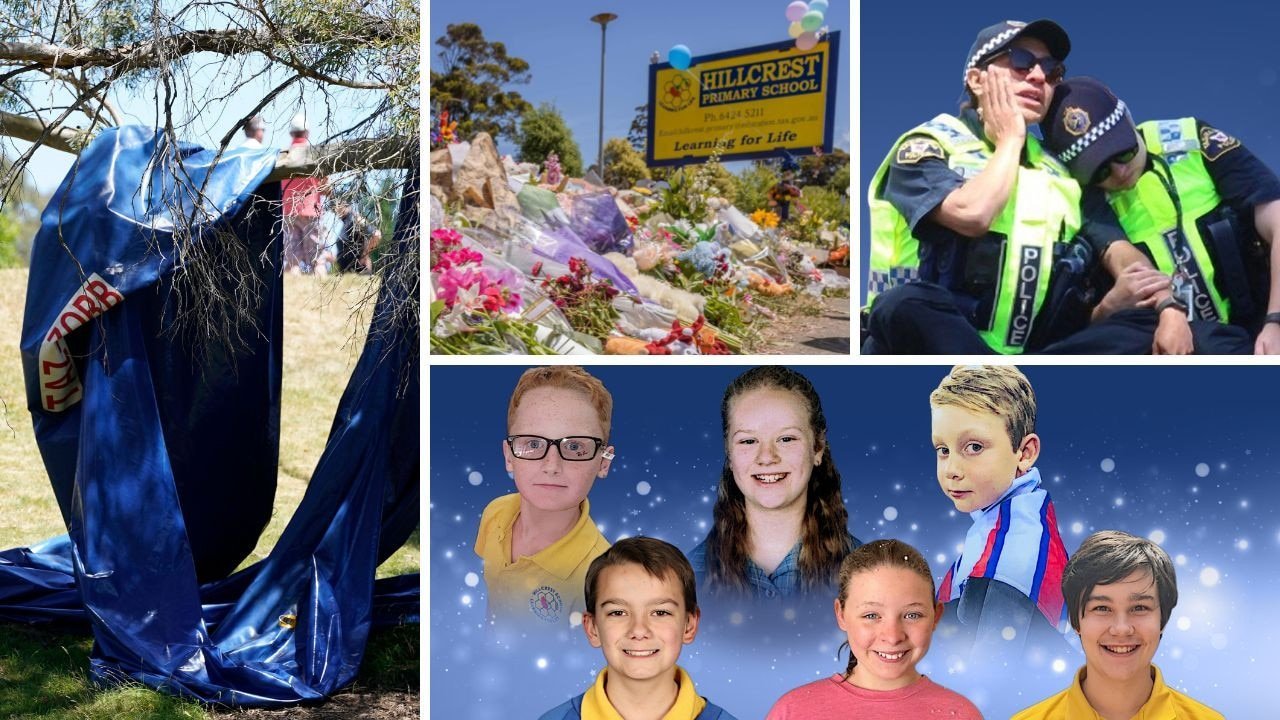
However, the scope of the inquest and witness list are yet to be finalised, with various parties submitting amendments and requests.
Maree Norton SC, counsel assisting the coroner, stated that some families want school staff, including the principal and the teacher who organised the event, to be added to the witness list.

The state opposes this request, arguing that these individuals have already provided evidence in the form of affidavits and responses to WorkSafe. However, families of the victims are adamant that school staff should be held accountable for their role in the tragedy.
The court heard that the state will provide a senior official from the Department of Education to appear in the inquest.
The proposed scope of the inquest will investigate whether there were deficits or inadequacies by the Department of Education that contributed to the tragedy. This includes the selection of Taz-Zorb, the company that supplied the jumping castle, and the risk assessments undertaken on the day of the event.
The court also heard that no applications have been made to reinflate the jumping castle during the inquest.
Analysis: What This Means for Australia
The Hillcrest Primary School tragedy has raised serious concerns about the regulation and safety of inflatable devices in Australia. The incident highlights the need for stricter safety protocols and more rigorous risk assessments to prevent such disasters in the future.
The inquest will likely examine the role of WorkSafe Tasmania in regulating and inspecting inflatable devices, as well as the potential deficits or inadequacies in the manufacturing process.
Security analysts say that the incident serves as a stark reminder of the importance of prioritising public safety, particularly in schools and public events. “This tragedy could have been prevented with proper safety measures in place,” said one expert.
“It’s crucial that we learn from this incident and implement changes to prevent similar disasters in the future.”
Law enforcement insiders warn that the inquest may uncover systemic failures within the Department of Education and WorkSafe Tasmania. “The fact that the state is opposing the request to call school staff as witnesses raises eyebrows,” said one insider.
“It’s essential that we get to the bottom of what went wrong and hold those responsible accountable.”
As the inquest approaches, the families of the victims and the community of Devonport wait anxiously for answers. The coroner’s vow to uncover the truth behind the Hillcrest Primary School tragedy offers a glimmer of hope for closure and justice.