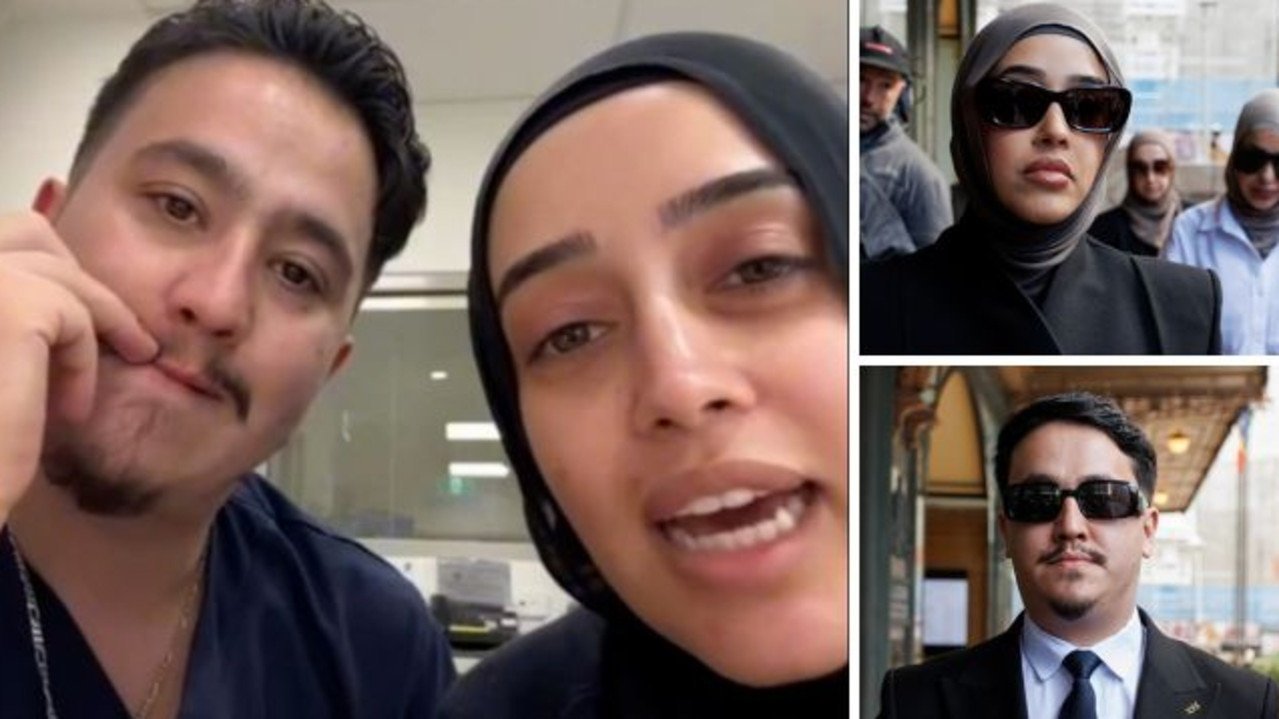
Exclusive: The Dark Past of a Melbourne Mum Who Joined ISIS – What Her Arrest Reveals About Australia’s National Security Nightmare
- A Melbourne woman, Rayann El Houli, has been charged with terrorism offences after allegedly joining ISIS in Syria and returning to Australia with her children.
- Her lawyer claims she’s a “highly traumatised individual” who renounces her past and wants to live a law-abiding life, but prosecutors paint a different picture.
- As El Houli’s case raises questions about Australia’s ability to rehabilitate former terrorists, experts warn of a growing threat from radicalised women and the need for tougher laws.
The shocking arrest of Rayann El Houli, a 34-year-old Melbourne mother, has sent shockwaves through the community, exposing the dark underbelly of Australia’s national security nightmare.
El Houli, who allegedly joined ISIS in Syria and returned to Australia with her children, is facing charges of entering a declared area and being a member of a terrorist organisation.
But as her lawyer claims she’s a “highly traumatised individual” who renounces her past, prosecutors paint a different picture – one of a woman who actively supported terrorism and attempted to indoctrinate her children.
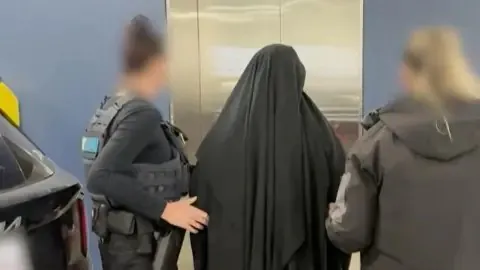
The story of Rayann El Houli’s journey into the clutches of ISIS is a complex one, filled with twists and turns that have left authorities scrambling to understand the full extent of her involvement.
According to prosecutors, El Houli travelled to Syria in 2013 or 2014, where she married several ISIS members and expressed radical views supporting terrorism. She allegedly attempted to recruit people to join the group and even tried to indoctrinate her young children.

But in a dramatic turn of events, El Houli was detained by Kurdish forces in March 2019 and held in the al-Hawl displaced persons camp in northern Syria.
It was there that El Houli claims to have had a change of heart, renouncing her allegiance to ISIS and seeking a way out.
Her lawyer, Peter Morrissey SC, told the court that El Houli was a “highly traumatised individual” who wanted to live a law-abiding life and run a loving household for her children.
But prosecutors are not convinced, pointing to evidence that suggests El Houli’s actions were far more sinister. As Chief Magistrate Lisa Hannan noted, the charges against El Houli are “very serious” and will require careful consideration of the risks to the community.
So, what does El Houli’s case reveal about Australia’s national security nightmare? For one, it highlights the growing threat posed by radicalised women, who are increasingly being recruited by terrorist groups.
According to security analysts, women like El Houli are often seen as a “softer target” by authorities, but they can be just as deadly as their male counterparts.
“The threat from radicalised women is very real, and it’s something that authorities need to take seriously,” said one expert.
Analysis: What This Means for AustraliaThe arrest of Rayann El Houli is a wake-up call for Australia’s national security agencies, who must now confront the reality of a growing threat from radicalised women.
As El Houli’s case shows, these women can be just as dangerous as their male counterparts, and they require a different approach. “We need to be more nuanced in our approach to counter-terrorism,” said one security expert.
“We can’t just focus on the men; we need to look at the women and the children, too.”
The case also raises questions about Australia’s ability to rehabilitate former terrorists.
El Houli’s lawyer claims that she is willing to undertake anti-terrorism programs, but prosecutors are skeptical. As one expert noted, “Rehabilitation is a complex process, and it’s not always successful.
We need to be careful about who we let back into our communities.”
In the end, the case of Rayann El Houli is a sobering reminder of the threats that Australia faces in the war on terror.
As authorities continue to investigate her alleged crimes, one thing is clear: the country’s national security agencies must be vigilant in their pursuit of justice, and they must be willing to adapt to the changing face of terrorism.
Security analysts say that the case highlights the need for tougher laws to deal with returning terrorists, including women a
The shocking arrest of Rayann El Houli, a 34-year-old Melbourne mother, has sent shockwaves through the community, exposing the dark underbelly of Australia’s national security nightmare. El Houli, who allegedly joined ISIS in Syria and returned to Australia with her children, is facing charges of entering a declared area and being a member of a terrorist organisation. But as her lawyer claims she’s a “highly traumatised individual” who renounces her past, prosecutors paint a different picture – one of a woman who actively supported terrorism and attempted to indoctrinate her children.
The story of Rayann El Houli’s journey into the clutches of ISIS is a complex one, filled with twists and turns that have left authorities scrambling to understand the full extent of her involvement. According to prosecutors, El Houli travelled to Syria in 2013 or 2014, where she married several ISIS members and expressed radical views supporting terrorism. She allegedly attempted to recruit people to join the group and even tried to indoctrinate her young children. But in a dramatic turn of events, El Houli was detained by Kurdish forces in March 2019 and held in the al-Hawl displaced persons camp in northern Syria.
It was there that El Houli claims to have had a change of heart, renouncing her allegiance to ISIS and seeking a way out. Her lawyer, Peter Morrissey SC, told the court that El Houli was a “highly traumatised individual” who wanted to live a law-abiding life and run a loving household for her children. But prosecutors are not convinced, pointing to evidence that suggests El Houli’s actions were far more sinister. As Chief Magistrate Lisa Hannan noted, the charges against El Houli are “very serious” and will require careful consideration of the risks to the community.
So, what does El Houli’s case reveal about Australia’s national security nightmare? For one, it highlights the growing threat posed by radicalised women, who are increasingly being recruited by terrorist groups. According to security analysts, women like El Houli are often seen as a “softer target” by authorities, but they can be just as deadly as their male counterparts. “The threat from radicalised women is very real, and it’s something that authorities need to take seriously,” said one expert.
The arrest of Rayann El Houli is a wake-up call for Australia’s national security agencies, who must now confront the reality of a growing threat from radicalised women. As El Houli’s case shows, these women can be just as dangerous as their male counterparts, and they require a different approach. “We need to be more nuanced in our approach to counter-terrorism,” said one security expert. “We can’t just focus on the men; we need to look at the women and the children, too.”
The case also raises questions about Australia’s ability to rehabilitate former terrorists. El Houli’s lawyer claims that she is willing to undertake anti-terrorism programs, but prosecutors are skeptical. As one expert noted, “Rehabilitation is a complex process, and it’s not always successful. We need to be careful about who we let back into our communities.”
In the end, the case of Rayann El Houli is a sobering reminder of the threats that Australia faces in the war on terror. As authorities continue to investigate her alleged crimes, one thing is clear: the country’s national security agencies must be vigilant in their pursuit of justice, and they must be willing to adapt to the changing face of terrorism.
Security analysts say that the case highlights the need for tougher laws to deal with returning terrorists, including women a