Deadly Ebola Outbreak Spirals Out of Control: Australia’s Neighbors on High Alert as Virus Spreads Across Africa
- At least 100 people dead, nearly 600 confirmed cases, and a vaccine still nowhere in sight for the rare Bundibugyo form of the virus.
- Contact tracing at just 64% in worst-affected regions, sparking fears of a catastrophic outbreak.
- Australia’s neighbors on high alert as the virus spreads across Africa, with experts warning of a potential global pandemic.
- Security concerns and militant groups hindering aid efforts, as health officials struggle to contain the outbreak.
The Democratic Republic of Congo is on the brink of a catastrophic Ebola outbreak, with at least 100 people dead and nearly 600 confirmed cases reported.
The virus is spreading rapidly, with 25 health zones now affected, and health officials are warning that they are “playing catch-up” with the disease. The situation is dire, with contact tracing at just 64% in the worst-affected regions, compared to the usual 80-90% rate.
The outbreak is concentrated in the Ituri and North Kivu regions of the DRC, with some cases recorded in neighboring Uganda. The area is one of the most volatile regions in the country, with conflict, instability, and climate shock taking a severe toll.
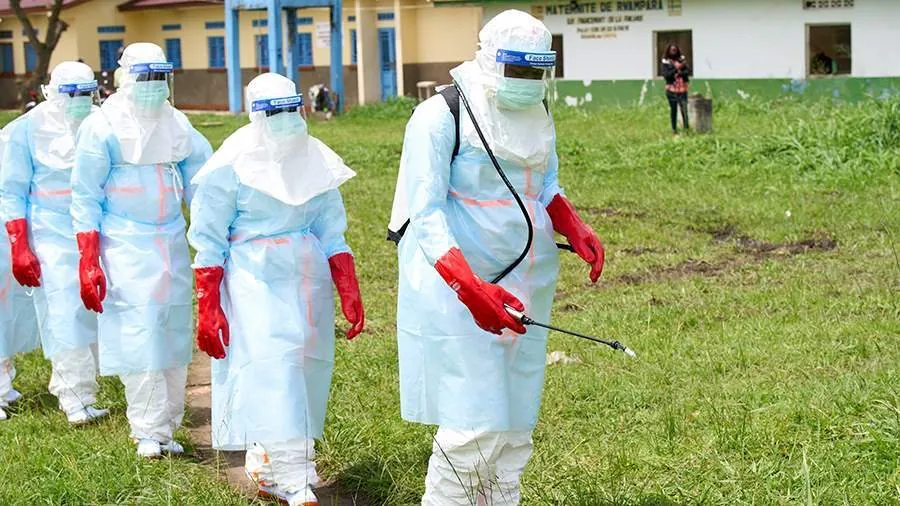
Tensions are running high as officials fight to stop the rapid spread of the virus, with aid workers telling the ABC they are already struggling to keep up.
Health officials are working to develop a vaccine for the Bundibugyo form of the virus, which currently has none available. The World Health Organization (WHO) has raised concerns about increased mobility and patients “avoiding or leaving treatment facilities”.



The organization’s latest rapid risk assessment, published on June 9, said the outbreak had continued to expand “considerably”, with community fear and misinformation hindering case detection, contact tracing, and isolation efforts.
Security concerns and militant groups are also hindering aid efforts, with health officials struggling to contain the outbreak. In places like Ituri, hospitals and clinics are struggling to prevent infection while handling the backlog of cases.
The WHO’s Ebola Response Team incident manager, Marie Roseline Belizaire, said that “there is no preparedness in the region where we are” and that they are “starting a response from scratch” to put everything in place.
Analysis: What This Means for Australia
The Ebola outbreak in the DRC has significant implications for Australia’s national security and public health.
While the risk of transmission to Australia is currently low, the country’s proximity to the region and the potential for global spread make it essential to take proactive measures.
The Australian government must work closely with international organizations and neighboring countries to ensure that the outbreak is contained and that the risk of transmission is minimized.
Security analysts say that the outbreak highlights the need for Australia to strengthen its border control measures and emergency response protocols. The country must also be prepared to provide humanitarian assistance to affected regions and to support international efforts to contain the outbreak.
Law enforcement insiders warn that the outbreak could also have implications for Australia’s law enforcement agencies, which must be prepared to respond to potential security threats and to prevent the spread of the virus.
The outbreak also highlights the need for increased investment in public health infrastructure and emergency response capabilities.
Industry observers believe that the outbreak could also have economic implications for Australia, particularly in the areas of trade and tourism. The country must be prepared to take measures to protect its economy and to support affected industries.
In conclusion, the Ebola outbreak in the DRC is a serious threat to global public health, and Australia must take proactive measures to protect its citizens and to support international efforts to contain the outbreak.
The country must also be prepared to respond to the potential economic and security implications of the outbreak.