
NSW Police Force Rocked by Damning Report Exposing ‘Unacceptable’ Levels of Bullying, Harassment and Discrimination
- 30% of NSW Police employees report being bullied at work in the past five years, with many too afraid to speak out
- Widespread culture of silence and retaliation for those who report harmful behaviour, with employees risking career damage or denial of promotions
- Commissioner Mal Lanyon vows to overhaul the troubled culture, accepting all 29 recommendations for change from the independent review
The NSW Police Force is facing a major crisis after a damning report revealed a toxic culture of bullying, harassment, and discrimination within its ranks.
The independent review, led by former Victorian human rights commissioner Kristen Hilton, found that 30% of employees reported being bullied at work in the past five years, with many too afraid to speak out.
The report also exposed a widespread culture of silence and retaliation for those who report harmful behaviour, with employees risking career damage or denial of promotions.
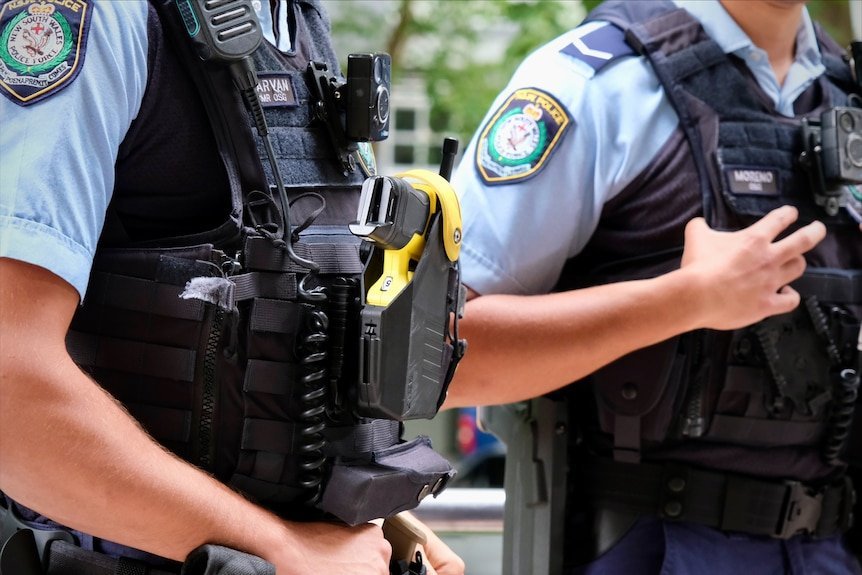
Commissioner Mal Lanyon has vowed to overhaul the troubled culture, accepting all 29 recommendations for change from the independent review.
“I don’t think I was surprised by the findings, I was probably disappointed by the level and certainly some of the individual experiences that I heard,” he said.
“It really does highlight to me that we’ve got a lot of work to do.” The review found that bullying, discrimination, and sexual harassment are occurring at “unacceptable levels” within the force, with employees reluctant to report incidents due to fear of retaliation.
The report also highlighted a culture of “serious stigma” when officers sought mental health support, with employees reluctant to get help out of fear of being labelled “damaged goods”.
Commissioner Lanyon said he was “disappointed” that officers felt unsupported in seeking help, adding that he wants to create an environment where employees feel comfortable reporting harm.
“When I speak to our students at the academy, my strongest message to them is that the only thing that will disappoint me is if you don’t put your hand up,” he said.
Analysis: What This Means for AustraliaThe findings of the independent review have significant implications for Australia’s law enforcement and public safety.
The NSW Police Force is one of the largest and most respected police forces in the country, and the revelation of a toxic culture within its ranks raises concerns about the broader policing culture in Australia.
The review’s recommendations for change, including greater diversity and accountability in leadership, changes to recruitment, fair access to promotions, and more mental health support, are critical to addressing these issues.
Law enforcement insiders warn that the culture of silence and retaliation within the NSW Police Force is not unique to the organisation, and that similar issues exist within other police forces across the country.
“This is a wake-up call for all police forces to take a hard look at their own cultures and practices,” said one insider.
“The public expects police officers to uphold the highest standards of behaviour, and it’s our job to ensure that we’re meeting those expectations.”
The review’s findings also have significant implications for the mental health and wellbeing of police officers, who are often exposed to traumatic and disturbing situations as part of their work.
The establishment of an in-house critical incident support unit with qualified psychologists and resources is a critical step in addressing the stigma surrounding mental health support within the force.
The NSW Police Force has a long way to go in addressing the issues raised by the independent review, but Commissioner Lanyon’s commitment to change is a positive step forward.
As the force begins to implement the review’s recommendations, it’s essential that they prioritise transparency and accountability, ensuring that the public and the police officers themselves can track progress and hold the organisation to account.
The NSW Police Force is facing a major crisis after a damning report revealed a toxic culture of bullying, harassment, and discrimination within its ranks. The independent review, led by former Victorian human rights commissioner Kristen Hilton, found that 30% of employees reported being bullied at work in the past five years, with many too afraid to speak out. The report also exposed a widespread culture of silence and retaliation for those who report harmful behaviour, with employees risking career damage or denial of promotions.
Commissioner Mal Lanyon has vowed to overhaul the troubled culture, accepting all 29 recommendations for change from the independent review. “I don’t think I was surprised by the findings, I was probably disappointed by the level and certainly some of the individual experiences that I heard,” he said. “It really does highlight to me that we’ve got a lot of work to do.” The review found that bullying, discrimination, and sexual harassment are occurring at “unacceptable levels” within the force, with employees reluctant to report incidents due to fear of retaliation.
The report also highlighted a culture of “serious stigma” when officers sought mental health support, with employees reluctant to get help out of fear of being labelled “damaged goods”. Commissioner Lanyon said he was “disappointed” that officers felt unsupported in seeking help, adding that he wants to create an environment where employees feel comfortable reporting harm. “When I speak to our students at the academy, my strongest message to them is that the only thing that will disappoint me is if you don’t put your hand up,” he said.
The findings of the independent review have significant implications for Australia’s law enforcement and public safety. The NSW Police Force is one of the largest and most respected police forces in the country, and the revelation of a toxic culture within its ranks raises concerns about the broader policing culture in Australia. The review’s recommendations for change, including greater diversity and accountability in leadership, changes to recruitment, fair access to promotions, and more mental health support, are critical to addressing these issues.
Law enforcement insiders warn that the culture of silence and retaliation within the NSW Police Force is not unique to the organisation, and that similar issues exist within other police forces across the country. “This is a wake-up call for all police forces to take a hard look at their own cultures and practices,” said one insider. “The public expects police officers to uphold the highest standards of behaviour, and it’s our job to ensure that we’re meeting those expectations.”
The review’s findings also have significant implications for the mental health and wellbeing of police officers, who are often exposed to traumatic and disturbing situations as part of their work. The establishment of an in-house critical incident support unit with qualified psychologists and resources is a critical step in addressing the stigma surrounding mental health support within the force.
The NSW Police Force has a long way to go in addressing the issues raised by the independent review, but Commissioner Lanyon’s commitment to change is a positive step forward. As the force begins to implement the review’s recommendations, it’s essential that they prioritise transparency and accountability, ensuring that the public and the police officers themselves can track progress and hold the organisation to account.