Switzerland on Brink of Historic Vote: Capping Population at 10 Million Sparks Fears of Economic Chaos and EU Fallout
- Swiss voters decide on contentious referendum to cap population at 10 million, sparking warnings of economic chaos and EU fallout
- Proposal, put forward by hard-right Swiss People’s Party, blames “mass immigration” for housing shortages, rising rents, and overcrowding
- Critics warn that a ‘yes’ vote could cripple swathes of the economy and damage relations with the European Union, Switzerland’s main trading partner
- Vote is seen as a test of anti-immigration sentiment in western Europe, with far-right parties gaining influence across the continent
The usually tranquil streets of Switzerland will be abuzz with activity on Sunday as citizens head to the polls to decide on a landmark referendum that could cap the country’s population at 10 million.
The proposal, spearheaded by the hard-right Swiss People’s Party (SVP), has sparked intense debate and warnings of economic chaos and fallout with the European Union.
The SVP, Switzerland’s largest party, claims that “mass immigration” is behind a host of problems, including housing shortages, rising rents, overcrowded trains, and traffic jams. “Switzerland is a small country that cannot be expanded,” SVP parliamentarian Yvan Pahud told AFP.
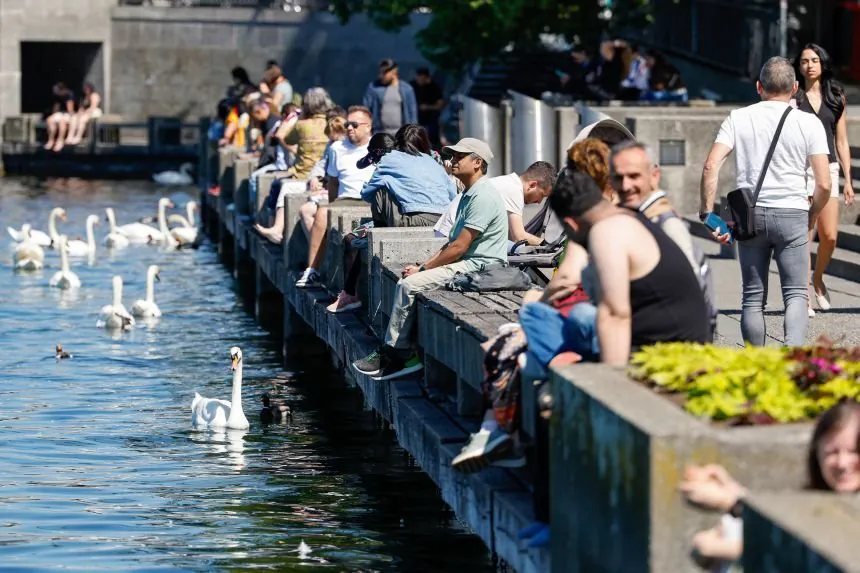
“Citizens do not want to welcome all of Europe.” The party is pushing for drastic measures to stop the population, currently 9.1 million, from breaching the 10 million mark before 2050.
But critics warn that a ‘yes’ vote could have disastrous consequences.



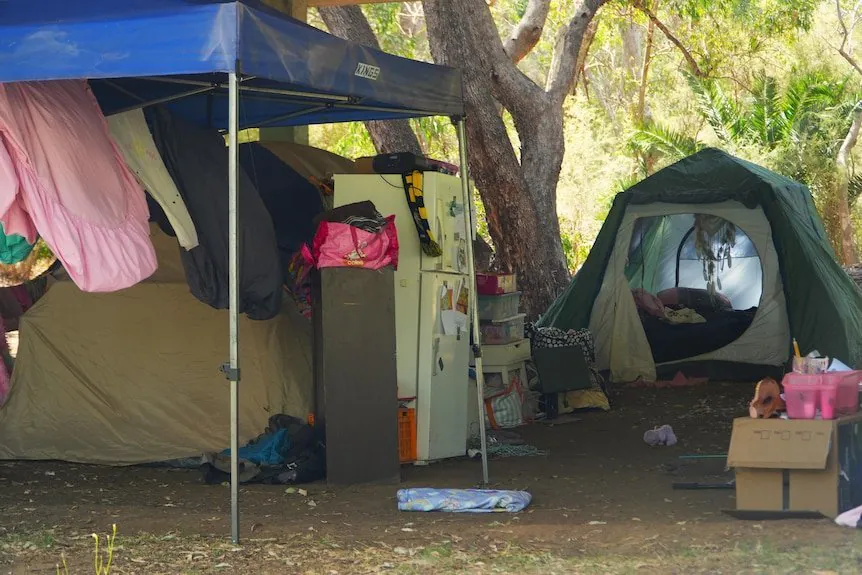
“The stakes are very high,” Swiss Justice Minister Beat Jans told the Tribune de Genevenewspaper, warning that the vote could provoke the equivalent of a Swiss “Brexit.” The initiative faces broad opposition from the government, parliament, and multiple sectors of the economy.
Switzerland’s unique system of democracy means that all major decisions are taken to the ballot box, and campaigners need only 100,000 signatures to ensure a nationwide vote.
The system has led to some unexpected outcomes in the past, but this vote is seen as a test of anti-immigration sentiment in western Europe, where far-right parties are gaining influence.
While opinion polls suggest the vote could be tight, the latest surveys indicate that opposition to the proposal is nudging ahead.
For it to pass, the initiative would need to win not just a majority of votes cast but also majorities in more than half of Switzerland’s 26 cantons.
Analysis: What This Means for Australia
As Australia grapples with its own immigration and population growth challenges, the Swiss referendum serves as a timely reminder of the complexities and sensitivities involved. The debate highlights the need for careful consideration of the economic, social, and cultural implications of population growth and immigration policies.
Security analysts say that Australia’s own borders and immigration policies must be carefully managed to avoid the kinds of tensions and conflicts seen in Switzerland. “Australia needs to strike a balance between economic growth and social cohesion,” said one analyst.
“We must ensure that our immigration policies are sustainable and do not put undue pressure on our infrastructure and services.”
Law enforcement insiders warn that Australia’s unique cultural and geographical context demands a tailored approach to immigration and population growth. “We cannot simply adopt a one-size-fits-all approach,” said a senior law enforcement official.
“We must consider the specific challenges and opportunities presented by our own circumstances.”
As the world watches the outcome of the Swiss referendum, Australia must take heed of the lessons and apply them to its own population growth and immigration policies.
The stakes are high, and the consequences of getting it wrong could be severe.
Industry observers believe that the Swiss referendum highlights the need for greater cooperation and dialogue between nations on issues of immigration and population growth. “We must work together to address the global challenges presented by population growth and migration,” said one observer.
“The Swiss referendum serves as a wake-up call for nations to engage in constructive dialogue and cooperation.”
As the Swiss people go to the polls on Sunday, the world waits with bated breath to see the outcome of this landmark referendum. One thing is certain: the decision will have far-reaching implications for Switzerland, Europe, and the world beyond.