
‘Trashy Journalism’ or Assault on Freedom of the Press? Pauline Hanson’s Bitter Attack on Guardian Reporter Sparks Fury
- One Nation leader Pauline Hanson launches a scathing attack on Guardian journalist Sarah Martin, calling her “trashy” and banning her from future events.
- The media union slams Hanson’s behavior as an “assault on the freedom of the press” and calls for politicians to respect journalists’ right to do their job.
- Hanson’s attack on the media comes as she outlines plans to abolish the SBS and make deep cuts to the ABC if elected to government.
- Labor and Liberal MPs condemn Hanson’s behavior, warning that politicians must be willing to face scrutiny and criticism.
The National Press Club address was meant to be a chance for Pauline Hanson to outline her vision for Australia’s future, but it quickly descended into chaos when the One Nation leader launched a bitter attack on a Guardian journalist.
Sarah Martin, a senior correspondent, was questioning Hanson about her daughter’s employment by the party when the senator’s demeanor turned sour. “Honestly, you never give up,” Hanson sneered.
“I have never seen a person that is such a trashy journalist, and what you put out all the time, you’ve got this obsession with constantly trying to pull down myself, my party or Mrs [Gina] Rinehart.”
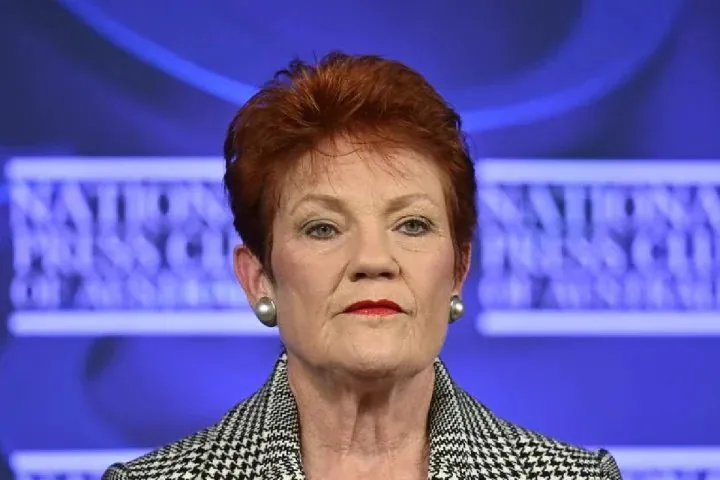
The exchange was just the latest in a long line of confrontations between Hanson and the media. The One Nation leader has long been critical of journalists, casting them as a force seeking to discredit her and her party.
But yesterday’s attack was particularly personal, and sparked widespread condemnation from across the political spectrum.
The media union was quick to slam Hanson’s behavior, saying it was an “assault on the freedom of the press” and calling for politicians to respect journalists’ right to do their job.
The controversy centers around Martin’s question about Lee Hanson’s employment by the party.
The Guardian had reported that Lee Hanson was earning up to $180,000 as a senior adviser to NSW senator Sean Bell, despite being based in Tasmania and heavily involved in expanding the party’s presence in that state.
Hanson insisted that her daughter had been appointed “on her own merits,” but the issue has raised questions about the party’s use of taxpayer funds and its commitment to transparency.
The incident has also highlighted the growing trend of politicians attacking the media and seeking to limit their scrutiny.
Hanson’s plan to abolish the SBS and make deep cuts to the ABC has been met with widespread criticism, with many arguing that it would undermine the country’s democratic institutions and limit access to information.
As Senator James McGrath noted, “You can’t go around and just ban media organisations, regardless of your view of them. The fourth estate has a very important role to make sure that all politicians, regardless of our political positions, are held to account.”
Analysis: What This Means for Australia
Hanson’s attack on the media is a worrying sign of a growing trend of politicians seeking to limit scrutiny and undermine the country’s democratic institutions. It’s a trend that has serious implications for Australia’s national security, law enforcement, and community safety.
When politicians are able to silence their critics and limit access to information, it creates an environment in which corruption and abuse of power can thrive.
As Labor frontbencher Katy Gallagher noted, “We should disagree on the issues, but we shouldn’t personalise and demean each other, whether that be politician to politician or politician to journalist.” It’s a sentiment that echoes the concerns of many Australians, who are increasingly worried about the state of the country’s democratic institutions and the growing trend of politicians attacking the media.
Security analysts say that Hanson’s behavior is a classic example of a politician seeking to deflect scrutiny and limit accountability. “When politicians attack the media, it’s often a sign that they’re hiding something,” one analyst noted.
“It’s a tactic that’s used to silence critics and limit access to information, and it’s a serious threat to Australia’s democratic institutions.”
Law enforcement insiders warn that the growing trend of politicians attacking the media has serious implications for community safety.
“When politicians are able to silence their critics and limit access to information, it creates an environment in which corruption and abuse of power can thrive,” one insider noted.
“It’s a serious threat to the rule of law and the safety of the community.”
Industry observers believe that Hanson’s plan to abolish the SBS and make deep cuts to the ABC would have serious consequences for Australia’s media landscape. “It would be a disaster for the country’s democratic institutions and would limit access to information,” one observer noted.
“It’s a plan that would undermine the country’s ability to hold politicians to account and would have serious implications for national security and community safety.”