
Bird Flu Outbreak: Australia’s Worst Nightmare Unfolds as Deadly H5N1 Strain Spreads to Western Australia
- A deadly avian flu strain has been discovered in Western Australia, sparking fears of a catastrophic outbreak that could devastate the country’s poultry industry and wildlife.
- The H5N1 variant, confirmed in two migratory birds, has prompted the nation’s largest poultry producer, Inghams Group, to lock down its farms and seek a regional housing order to keep free-range poultry indoors.
- Australia, the only continent previously unaffected by deadly avian flu, has been preparing for an outbreak for years, but experts warn of a potentially disastrous outcome, citing mass mortality events and species-level population reductions in overseas outbreaks.
- The federal government has developed over 100 response plans for key sites and vulnerable species, investing $100 million in preparedness, but scientists and conservationists remain on high alert.
The discovery of a deadly avian flu strain in Western Australia has sent shockwaves through the country, sparking fears of a catastrophic outbreak that could have devastating consequences for the poultry industry and wildlife.
The H5N1 variant, confirmed in two migratory birds, has prompted the nation’s largest poultry producer, Inghams Group, to take drastic measures to mitigate the risk of infection.
Inghams Group has announced a complete lockdown of its farms and processing operations in Western Australia, preventing all non-essential access, despite no detections in commercial poultry.
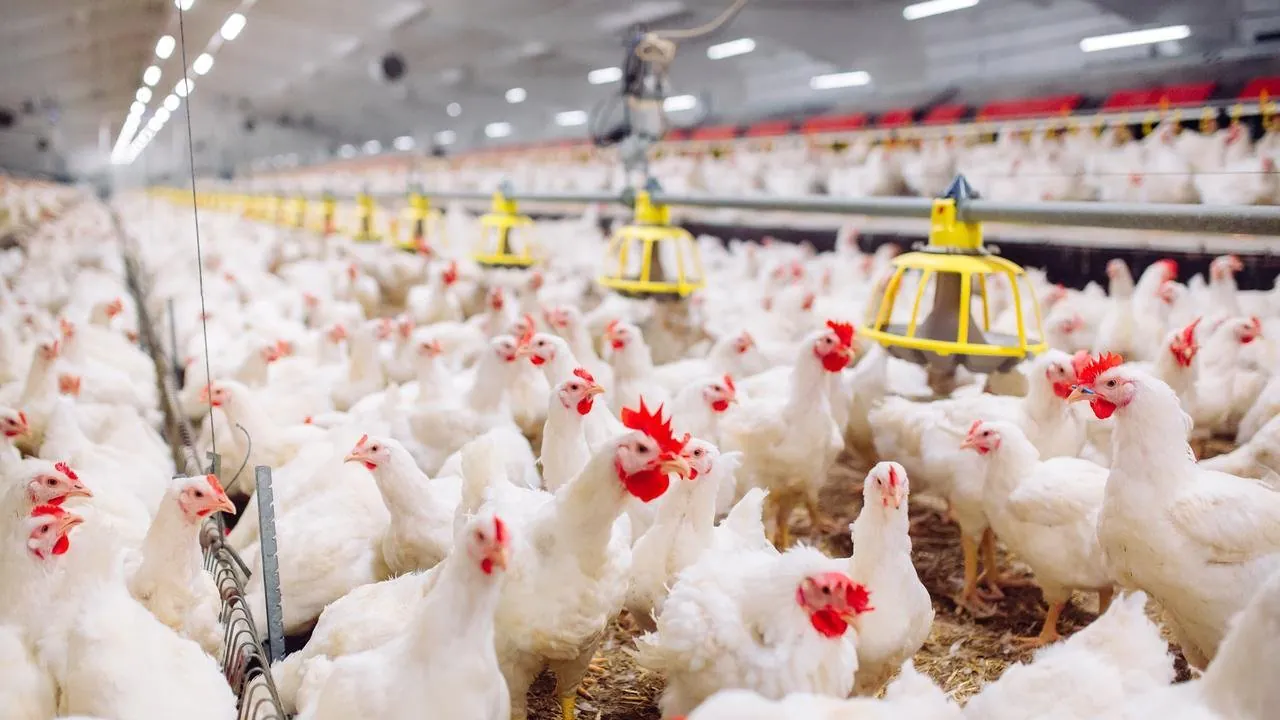
The company is also seeking a regional housing order from the state government to allow WA free-range poultry to be kept indoors.
This move is seen as a precautionary measure to prevent the spread of the virus, which has already killed 13,359 southern elephant seal pups on the sub-Antarctic territories Heard Island and McDonald Islands.
The two sick birds, a brown skua and a giant petrel, were found on a remote beach near Esperance in Western Australia, about 700km south-east of Perth.
Chief veterinary officer Beth Cookson said the birds’ breeding habitat is on the sub-Antarctic territories, where the strain has already had a devastating impact. The discovery has fuelled fears among scientists, conservationists, and agricultural groups, who point to mass mortality events and species-level population reductions in overseas outbreaks.
Australia has been preparing for an outbreak for years, with the federal government developing over 100 response plans for key sites and vulnerable species. The government has invested $100 million in preparedness, but experts warn that the country may still be unprepared for the scale of the disaster.
University of Melbourne researcher Michelle Wille said Australian authorities had been preparing for a worst-case scenario, but international examples painted a gloomy picture.
Analysis: What This Means for AustraliaThe discovery of the deadly avian flu strain in Western Australia has significant implications for the country’s national security, food production, and wildlife conservation.
The poultry industry, which is a vital part of Australia’s agricultural sector, could be severely impacted by an outbreak. The industry is already on high alert, with Inghams Group taking drastic measures to prevent the spread of the virus.
The federal government’s response plans and investment in preparedness are critical in mitigating the risk of an outbreak. However, experts warn that the country may still be unprepared for the scale of the disaster.
The government must take immediate action to ensure that all necessary measures are in place to prevent the spread of the virus and protect the country’s poultry industry and wildlife.
Security analysts say that the discovery of the deadly avian flu strain in Western Australia highlights the need for increased vigilance and cooperation between government agencies, the poultry industry, and the public.
The government must work closely with the industry and the public to ensure that all necessary measures are in place to prevent the spread of the virus and protect the country’s poultry industry and wildlife.
Industry observers believe that the discovery of the deadly avian flu strain in Western Australia could have significant economic consequences for the country.
The poultry industry is a vital part of Australia’s agricultural sector, and an outbreak could lead to significant losses for farmers and the economy as a whole.
Environmental groups are also concerned about the impact of an outbreak on Australia’s wildlife. The country is home to many unique and endangered species, and an outbreak could have devastating consequences for these populations.
In conclusion, the discovery of the deadly avian flu strain in Western Australia is a wake-up call for the country.
The government, the poultry industry, and the public must work together to prevent the spread of the virus and protect the country’s poultry industry and wildlife.
The consequences of an outbreak could be catastrophic, and it is essential that all necessary measures are taken to prevent this from happening.
The discovery of a deadly avian flu strain in Western Australia has sent shockwaves through the country, sparking fears of a catastrophic outbreak that could have devastating consequences for the poultry industry and wildlife. The H5N1 variant, confirmed in two migratory birds, has prompted the nation’s largest poultry producer, Inghams Group, to take drastic measures to mitigate the risk of infection.
Inghams Group has announced a complete lockdown of its farms and processing operations in Western Australia, preventing all non-essential access, despite no detections in commercial poultry. The company is also seeking a regional housing order from the state government to allow WA free-range poultry to be kept indoors. This move is seen as a precautionary measure to prevent the spread of the virus, which has already killed 13,359 southern elephant seal pups on the sub-Antarctic territories Heard Island and McDonald Islands.
The two sick birds, a brown skua and a giant petrel, were found on a remote beach near Esperance in Western Australia, about 700km south-east of Perth. Chief veterinary officer Beth Cookson said the birds’ breeding habitat is on the sub-Antarctic territories, where the strain has already had a devastating impact. The discovery has fuelled fears among scientists, conservationists, and agricultural groups, who point to mass mortality events and species-level population reductions in overseas outbreaks.
Australia has been preparing for an outbreak for years, with the federal government developing over 100 response plans for key sites and vulnerable species. The government has invested $100 million in preparedness, but experts warn that the country may still be unprepared for the scale of the disaster. University of Melbourne researcher Michelle Wille said Australian authorities had been preparing for a worst-case scenario, but international examples painted a gloomy picture.
The discovery of the deadly avian flu strain in Western Australia has significant implications for the country’s national security, food production, and wildlife conservation. The poultry industry, which is a vital part of Australia’s agricultural sector, could be severely impacted by an outbreak. The industry is already on high alert, with Inghams Group taking drastic measures to prevent the spread of the virus.
The federal government’s response plans and investment in preparedness are critical in mitigating the risk of an outbreak. However, experts warn that the country may still be unprepared for the scale of the disaster. The government must take immediate action to ensure that all necessary measures are in place to prevent the spread of the virus and protect the country’s poultry industry and wildlife.
Security analysts say that the discovery of the deadly avian flu strain in Western Australia highlights the need for increased vigilance and cooperation between government agencies, the poultry industry, and the public. The government must work closely with the industry and the public to ensure that all necessary measures are in place to prevent the spread of the virus and protect the country’s poultry industry and wildlife.
Industry observers believe that the discovery of the deadly avian flu strain in Western Australia could have significant economic consequences for the country. The poultry industry is a vital part of Australia’s agricultural sector, and an outbreak could lead to significant losses for farmers and the economy as a whole.
Environmental groups are also concerned about the impact of an outbreak on Australia’s wildlife. The country is home to many unique and endangered species, and an outbreak could have devastating consequences for these populations.
In conclusion, the discovery of the deadly avian flu strain in Western Australia is a wake-up call for the country. The government, the poultry industry, and the public must work together to prevent the spread of the virus and protect the country’s poultry industry and wildlife. The consequences of an outbreak could be catastrophic, and it is essential that all necessary measures are taken to prevent this from happening.