
ISIS Bride’s Shocking U-Turn: Accused Slave Trader Pledges to Divorce Husband and Live ‘Peaceful Life’ in Australia – But Can She Be Trusted?
- Australian ISIS bride Kawsar Abbas, 53, is accused of enslavement, possessing a slave, using a slave, and engaging in slave trading.
- Abbas’s husband, Muhammad Ahmad, is a brutal slave driver who allegedly assaulted and raped a 15-year-old girl, whom the couple bought for US$10,000.
- Abbas has launched a bid to be freed on bail, claiming she wants to live a ‘small scale and peaceful existence’ in the community and has renounced ISIS.
The Melbourne Magistrates’ Court has been told that Kawsar Abbas, an accused ISIS bride and alleged slave trader, has made a shocking U-turn, pledging to divorce her husband and live a ‘peaceful life’ in Australia.
However, Australian Federal Police detectives are concerned that Abbas may attempt to convert people to a radical form of Islam if she is released from jail.
Abbas, 53, faces serious charges of enslavement, possessing a slave, using a slave, and engaging in slave trading.
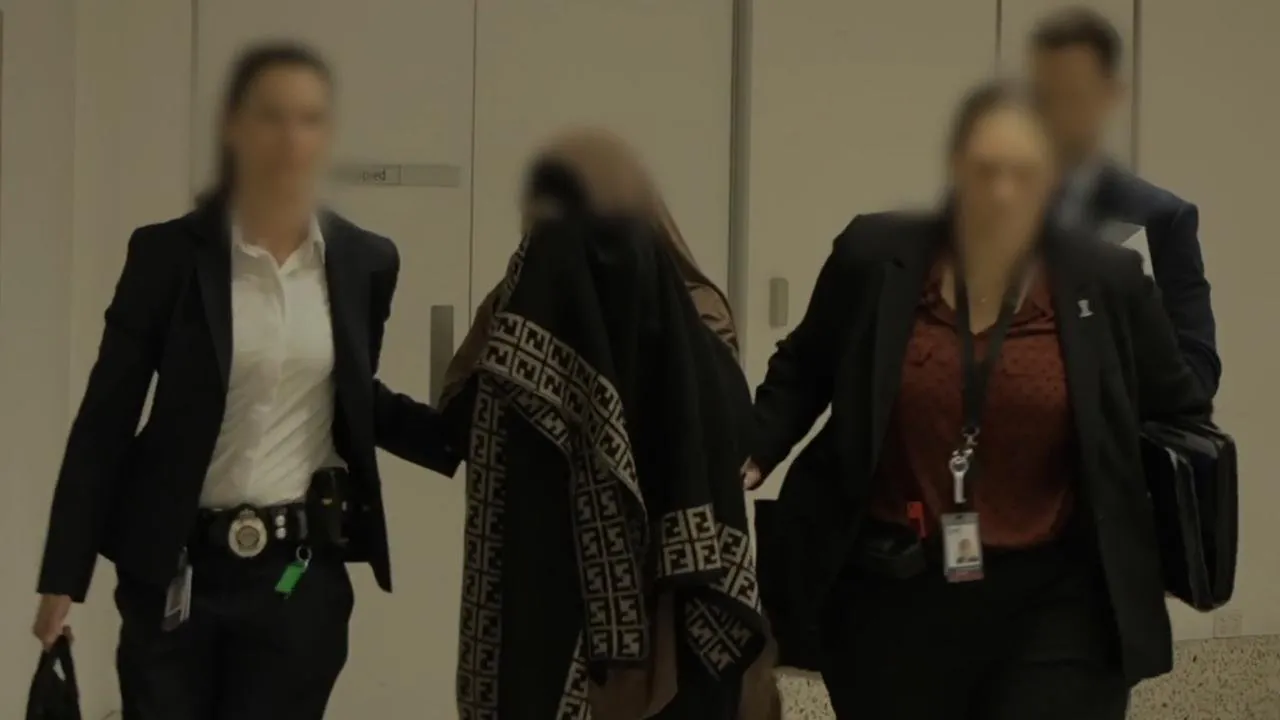
Her husband, Muhammad Ahmad, is also accused of being a brutal slave driver who allegedly assaulted and raped a 15-year-old girl, whom the couple bought for US$10,000 during Ramadan in 2017.
The alleged victim, who cannot be named for legal reasons, claimed that Abbas instructed and conditioned the household slaves, telling them they needed to behave like Islamic State warriors.
According to court documents, Abbas told the alleged slaves they had to read the Quran and said, “I want you to be taught how to use weapons according to the Daiesh beliefs.” The alleged victim also claimed that Abbas owned a Kalashnikov rifle and a Glock pistol and knew how to use them.
However, Abbas’s barrister, Peter Morrissey SC, told the court that his client now wants nothing to do with her husband and has instructed her legal team to commence divorce proceedings.
Morrissey said that Abbas hopes to live a ‘small scale and peaceful existence’ in the community and has pledged to stay away from local mosques as part of any bail conditions.
The court heard that Abbas suffered from a series of mental health complications, including post-traumatic stress and anxiety attacks.
A forensic doctor told the court that Abbas now finds it difficult to find joy, but hopes being released to live with her family might help the situation.
But Australian Federal Police Detective Senior Constable Marc Clendenning, who led the charge against Ahmad, expressed concerns that Abbas would attempt to convert people to a radical form of Islam if she is released from jail.
“She told the alleged slave that she was not allowed to practise her own religion and told her to read the Quran,” Det Clendenning said.
Analysis: What This Means for AustraliaThe case of Kawsar Abbas raises serious concerns about the threat of radical Islam in Australia.
While Abbas claims to have renounced ISIS, her past actions and alleged involvement in slave trading and terrorism are a stark reminder of the dangers of extremist ideology.
Security analysts say that the case highlights the need for greater scrutiny of individuals who have been involved with terrorist organizations, even if they claim to have renounced their extremist views.
“It’s not just about whether someone says they’ve renounced ISIS, it’s about their actions and their past behavior,” a security expert said.
Law enforcement insiders warn that the case also highlights the need for greater cooperation between Australian authorities and international law enforcement agencies to combat human trafficking and terrorism.
“We need to work together to prevent individuals like Abbas and Ahmad from bringing their extremist ideology to our shores,” a law enforcement source said. As the court considers Abbas’s bid for bail, the community is left wondering whether she can be trusted to live a ‘peaceful life’ in Australia.
One thing is certain: the case of Kawsar Abbas is a stark reminder of the ongoing threat of terrorism and extremism in our country. Industry observers believe that the case also highlights the need for greater support for victims of human trafficking and terrorism.
“We need to provide more support and resources for victims of human trafficking and terrorism, including counseling and rehabilitation programs,” a human rights advocate said. As the case continues, Australians are left to ponder the implications of Abbas’s alleged crimes and the threat of radical Islam in our country.
One thing is certain: the case of Kawsar Abbas is a stark reminder of the ongoing threat of terrorism and extremism in our society.
The Melbourne Magistrates’ Court has been told that Kawsar Abbas, an accused ISIS bride and alleged slave trader, has made a shocking U-turn, pledging to divorce her husband and live a ‘peaceful life’ in Australia. However, Australian Federal Police detectives are concerned that Abbas may attempt to convert people to a radical form of Islam if she is released from jail.
Abbas, 53, faces serious charges of enslavement, possessing a slave, using a slave, and engaging in slave trading. Her husband, Muhammad Ahmad, is also accused of being a brutal slave driver who allegedly assaulted and raped a 15-year-old girl, whom the couple bought for US$10,000 during Ramadan in 2017. The alleged victim, who cannot be named for legal reasons, claimed that Abbas instructed and conditioned the household slaves, telling them they needed to behave like Islamic State warriors.
According to court documents, Abbas told the alleged slaves they had to read the Quran and said, “I want you to be taught how to use weapons according to the Daiesh beliefs.” The alleged victim also claimed that Abbas owned a Kalashnikov rifle and a Glock pistol and knew how to use them.
However, Abbas’s barrister, Peter Morrissey SC, told the court that his client now wants nothing to do with her husband and has instructed her legal team to commence divorce proceedings. Morrissey said that Abbas hopes to live a ‘small scale and peaceful existence’ in the community and has pledged to stay away from local mosques as part of any bail conditions.
The court heard that Abbas suffered from a series of mental health complications, including post-traumatic stress and anxiety attacks. A forensic doctor told the court that Abbas now finds it difficult to find joy, but hopes being released to live with her family might help the situation.
But Australian Federal Police Detective Senior Constable Marc Clendenning, who led the charge against Ahmad, expressed concerns that Abbas would attempt to convert people to a radical form of Islam if she is released from jail. “She told the alleged slave that she was not allowed to practise her own religion and told her to read the Quran,” Det Clendenning said.
The case of Kawsar Abbas raises serious concerns about the threat of radical Islam in Australia. While Abbas claims to have renounced ISIS, her past actions and alleged involvement in slave trading and terrorism are a stark reminder of the dangers of extremist ideology.
Security analysts say that the case highlights the need for greater scrutiny of individuals who have been involved with terrorist organizations, even if they claim to have renounced their extremist views. “It’s not just about whether someone says they’ve renounced ISIS, it’s about their actions and their past behavior,” a security expert said.
Law enforcement insiders warn that the case also highlights the need for greater cooperation between Australian authorities and international law enforcement agencies to combat human trafficking and terrorism. “We need to work together to prevent individuals like Abbas and Ahmad from bringing their extremist ideology to our shores,” a law enforcement source said.
As the court considers Abbas’s bid for bail, the community is left wondering whether she can be trusted to live a ‘peaceful life’ in Australia. One thing is certain: the case of Kawsar Abbas is a stark reminder of the ongoing threat of terrorism and extremism in our country.
Industry observers believe that the case also highlights the need for greater support for victims of human trafficking and terrorism. “We need to provide more support and resources for victims of human trafficking and terrorism, including counseling and rehabilitation programs,” a human rights advocate said.
As the case continues, Australians are left to ponder the implications of Abbas’s alleged crimes and the threat of radical Islam in our country. One thing is certain: the case of Kawsar Abbas is a stark reminder of the ongoing threat of terrorism and extremism in our society.