
‘Victoria’s Car Theft Epidemic: How Weak Sentencing is Fuelling the Nation’s Worst Stolen Vehicle Crisis’
- Victoria records over 10,000 vehicle thefts annually, with one car stolen every 42 minutes, earning the state the unwanted title of Australia’s car theft capital.
- A former Victoria Police detective blames weak sentencing for the escalating crisis, as repeat offenders continue to walk free.
- Car thefts are being driven by a mix of youth offenders and organised criminal networks, with vehicles being stolen to order for lucrative markets in the Middle East.
- Experts warn that some vehicles remain vulnerable to theft, regardless of security measures, as thieves use sophisticated technology to clone keys and disable legitimate access.
The streets of Victoria are being ravaged by a car theft epidemic, with the state recording the highest rate of vehicle thefts in Australia. It’s a crisis that’s not only leaving victims financially and emotionally devastated but also having a ripple effect on the entire community.
The statistics are staggering – over 10,000 vehicles stolen each year, or one every 42 minutes.
At the heart of this crisis is a complex web of youth offenders and organised criminal networks, working together to fuel a lucrative market for stolen vehicles.
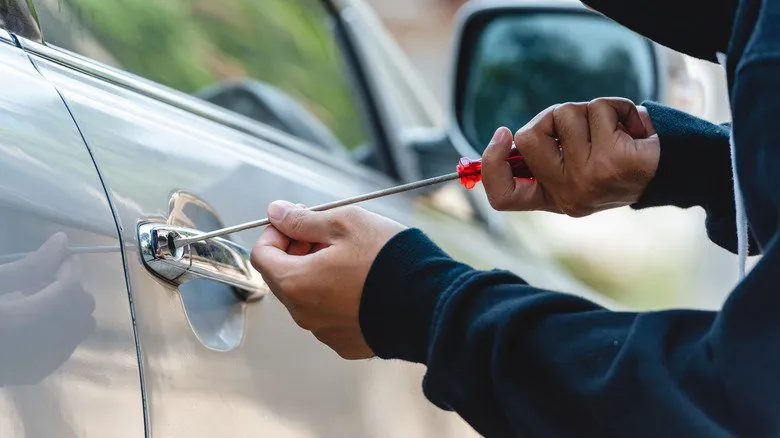
Former Victoria Police detective Charlie Bezzina knows the problem all too well, having spent years on the front line battling car thieves. He believes that weak sentencing is the root cause of the problem, with repeat offenders being let off with lenient penalties.
“The courts continue to fail the community of Victoria,” Bezzina said. “Start locking these people up, the recidivist offenders.
This is where it’s got to be to send that strong message.” Bezzina’s comments come as Victoria Police struggle to keep up with increasingly sophisticated theft methods, including electronic key cloning technology that allows thieves to steal vehicles within minutes.
The technology is frighteningly simple. Car expert Paul Maric explained how a cloning device can replicate a vehicle owner’s key and disable legitimate access.
“It means that they can basically take your car away within minutes and the keys will still be inside your home.” Police have seized over 1,000 of these devices since last year, but it’s a cat-and-mouse game, with thieves constantly evolving their tactics.
So, what’s driving this crisis?
Bezzina believes it’s a combination of youth gangs doing the bidding of organised crime figures and organised crime gangs stealing cars to sell on the black market.
“We’ve got the youth gangs at the behest of organised crime figures doing these arson attacks,” he said. “You’ve also got organised crime gangs stealing cars to water straight into a shipping container and over to the Middle Eastern countries.
So a cross-section of the lucrative market of stealing motorcars.”
The impact of this crisis goes far beyond the immediate victims. Insurance premiums are rising as thefts become more common, affecting every motorist in the state.
As Bezzina pointed out, a car is often the second biggest asset we buy, and the economic effect of theft is significant.
“The value and the flow-on effect, and the victim of crime continues to be ignored.”
Analysis: What This Means for AustraliaThe car theft epidemic in Victoria has serious implications for national security.
As organised crime gangs become more brazen, it’s not just car owners who are at risk.
The flow-on effects of this crisis can be felt across the entire community, from rising insurance premiums to the potential for stolen vehicles to be used in more serious crimes.
Law enforcement insiders warn that the crisis is a symptom of a broader problem – a lack of resources and support for police to tackle organised crime.
“The police are doing their best with the resources they have, but it’s just not enough,” one insider said.
“We need to see a commitment from government to provide more funding and support to tackle this problem head-on.”
Industry observers believe that the crisis is also a wake-up call for car manufacturers to take responsibility for the security of their vehicles.
“Some cars are just too easy to steal,” one expert said.
“Manufacturers need to take a harder look at the security features they’re building into their vehicles and make sure they’re doing everything they can to prevent theft.”
As the car theft epidemic continues to ravage Victoria, one thing is clear – it’s going to take a concerted effort from law enforcement, government, and the community to bring it under control.
Until then, car owners will remain on high alert, wondering if their vehicle will be the next to be stolen.
The streets of Victoria are being ravaged by a car theft epidemic, with the state recording the highest rate of vehicle thefts in Australia. It’s a crisis that’s not only leaving victims financially and emotionally devastated but also having a ripple effect on the entire community. The statistics are staggering – over 10,000 vehicles stolen each year, or one every 42 minutes.
At the heart of this crisis is a complex web of youth offenders and organised criminal networks, working together to fuel a lucrative market for stolen vehicles. Former Victoria Police detective Charlie Bezzina knows the problem all too well, having spent years on the front line battling car thieves. He believes that weak sentencing is the root cause of the problem, with repeat offenders being let off with lenient penalties.
“The courts continue to fail the community of Victoria,” Bezzina said. “Start locking these people up, the recidivist offenders. This is where it’s got to be to send that strong message.” Bezzina’s comments come as Victoria Police struggle to keep up with increasingly sophisticated theft methods, including electronic key cloning technology that allows thieves to steal vehicles within minutes.
The technology is frighteningly simple. Car expert Paul Maric explained how a cloning device can replicate a vehicle owner’s key and disable legitimate access. “It means that they can basically take your car away within minutes and the keys will still be inside your home.” Police have seized over 1,000 of these devices since last year, but it’s a cat-and-mouse game, with thieves constantly evolving their tactics.
So, what’s driving this crisis? Bezzina believes it’s a combination of youth gangs doing the bidding of organised crime figures and organised crime gangs stealing cars to sell on the black market. “We’ve got the youth gangs at the behest of organised crime figures doing these arson attacks,” he said. “You’ve also got organised crime gangs stealing cars to water straight into a shipping container and over to the Middle Eastern countries. So a cross-section of the lucrative market of stealing motorcars.”
The impact of this crisis goes far beyond the immediate victims. Insurance premiums are rising as thefts become more common, affecting every motorist in the state. As Bezzina pointed out, a car is often the second biggest asset we buy, and the economic effect of theft is significant. “The value and the flow-on effect, and the victim of crime continues to be ignored.”
The car theft epidemic in Victoria has serious implications for national security. As organised crime gangs become more brazen, it’s not just car owners who are at risk. The flow-on effects of this crisis can be felt across the entire community, from rising insurance premiums to the potential for stolen vehicles to be used in more serious crimes.
Law enforcement insiders warn that the crisis is a symptom of a broader problem – a lack of resources and support for police to tackle organised crime. “The police are doing their best with the resources they have, but it’s just not enough,” one insider said. “We need to see a commitment from government to provide more funding and support to tackle this problem head-on.”
Industry observers believe that the crisis is also a wake-up call for car manufacturers to take responsibility for the security of their vehicles. “Some cars are just too easy to steal,” one expert said. “Manufacturers need to take a harder look at the security features they’re building into their vehicles and make sure they’re doing everything they can to prevent theft.”
As the car theft epidemic continues to ravage Victoria, one thing is clear – it’s going to take a concerted effort from law enforcement, government, and the community to bring it under control. Until then, car owners will remain on high alert, wondering if their vehicle will be the next to be stolen.