
‘Historic Blunder’: US Senate Rebukes Trump’s Iran War as Australia Watches with Growing Concern
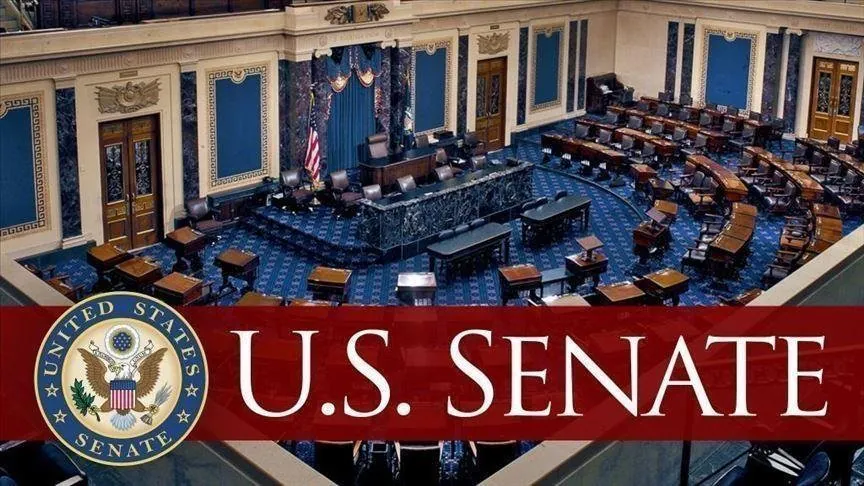
- The US Senate has passed a war powers resolution to block military action against Iran, with 50 senators voting in favour and 48 against.
- The move is seen as a rebuke of President Donald Trump’s administration, which launched the conflict without Congressional approval.
- The resolution is largely symbolic, but it reflects growing concerns among politicians and Americans about the war’s impact and the Trump administration’s deal with Iran.
- Australia is watching the situation closely, with potential implications for national security and international relations.
The US Senate’s decision to pass a war powers resolution seeking to block military action against Iran has sent shockwaves through the international community, with Australians watching with growing concern.
The move is seen as a clear rebuke of President Donald Trump’s administration, which launched the conflict without Congressional approval.
The resolution, which was passed with 50 senators voting in favour and 48 against, is largely symbolic and does not fully carry the force of law.
However, it reflects the growing concerns among politicians and Americans about the war’s impact and the Trump administration’s deal with Iran. The deal has been widely criticized, with many arguing that it does not go far enough in addressing Iran’s nuclear ambitions.
For Australia, the situation in Iran has significant implications for national security and international relations. As a key player in the region, Australia has a vested interest in maintaining stability and preventing the spread of conflict.
The Australian government has been working closely with its international partners to address the situation, but the US Senate’s decision has added a new layer of complexity to the issue.
Analysis: What This Means for Australia
The US Senate’s decision to pass a war powers resolution is a significant development that has far-reaching implications for Australia. As a key ally of the US, Australia is likely to be impacted by the decision, particularly in terms of national security and international relations.
Security analysts say that the move is likely to embolden Iran, which has been seeking to expand its influence in the region. This could have significant implications for Australia, which has a strong interest in maintaining stability in the region.
“The US Senate’s decision sends a clear message to Iran that it can act with impunity,” said one security analyst. “This is likely to embolden Iran and create a more unstable situation in the region.”
Law enforcement insiders warn that the situation in Iran could also have implications for Australia’s domestic security.
“The conflict in Iran has the potential to create a new wave of refugees and asylum seekers, which could put a strain on Australia’s border security,” said one law enforcement insider.
Industry observers believe that the US Senate’s decision could also have significant economic implications for Australia.
“The conflict in Iran has already had a significant impact on global oil prices, which could have a flow-on effect for the Australian economy,” said one industry observer.
As the situation in Iran continues to unfold, Australia will be watching closely to see how the US Senate’s decision impacts the region.
One thing is clear: the move has added a new layer of complexity to an already volatile situation, and Australia will need to be prepared to respond to any developments.
Currently, the Pentagon is seeking $US80 billion from Congress to fund the war, which is drawing scrutiny from lawmakers and the public. The funding request is part of a broader beef-up of military money the White House wants as part of its budget request this year.
The Trump administration is seeking a 50 per cent increase in defence funding to $US1.5 trillion this year, including $US350 billion that it wants in a so-called budget reconciliation package.
However, the package is facing opposition from Democrats, who argue that it is too focused on military spending and does not do enough to address domestic issues.
As the debate over the funding request continues, Australia will be watching closely to see how the situation develops.
With the US Senate’s decision to pass a war powers resolution, the stakes have been raised, and Australia will need to be prepared to respond to any developments.
It remains to be seen how the situation will play out, but one thing is clear: the US Senate’s decision has added a new layer of complexity to an already volatile situation, and Australia will need to be prepared to respond to any developments.