
Angus Taylor’s Multiculturalism Backflip: What This Means for Australia’s Future
- Opposition leader Angus Taylor’s refusal to commit to multiculturalism sparks national debate
- Coalition’s plan to slash migration and tighten immigration controls raises concerns about Australia’s cultural identity
- One Nation’s push for an end to multiculturalism and a “monoculture” Australia gains momentum
- Australia’s future as a multicultural society hangs in the balance as politicians clash over values and identity
The controversy surrounding Opposition leader Angus Taylor’s stance on multiculturalism has ignited a fierce national debate about Australia’s cultural identity and the future of its immigration policies.
At the heart of the issue is the Coalition’s plan to slash migration and tighten immigration controls, which has raised concerns about the impact on Australia’s multicultural society.
As the debate rages on, One Nation’s push for an end to multiculturalism and a “monoculture” Australia is gaining momentum, leaving many to wonder what this means for the country’s future.
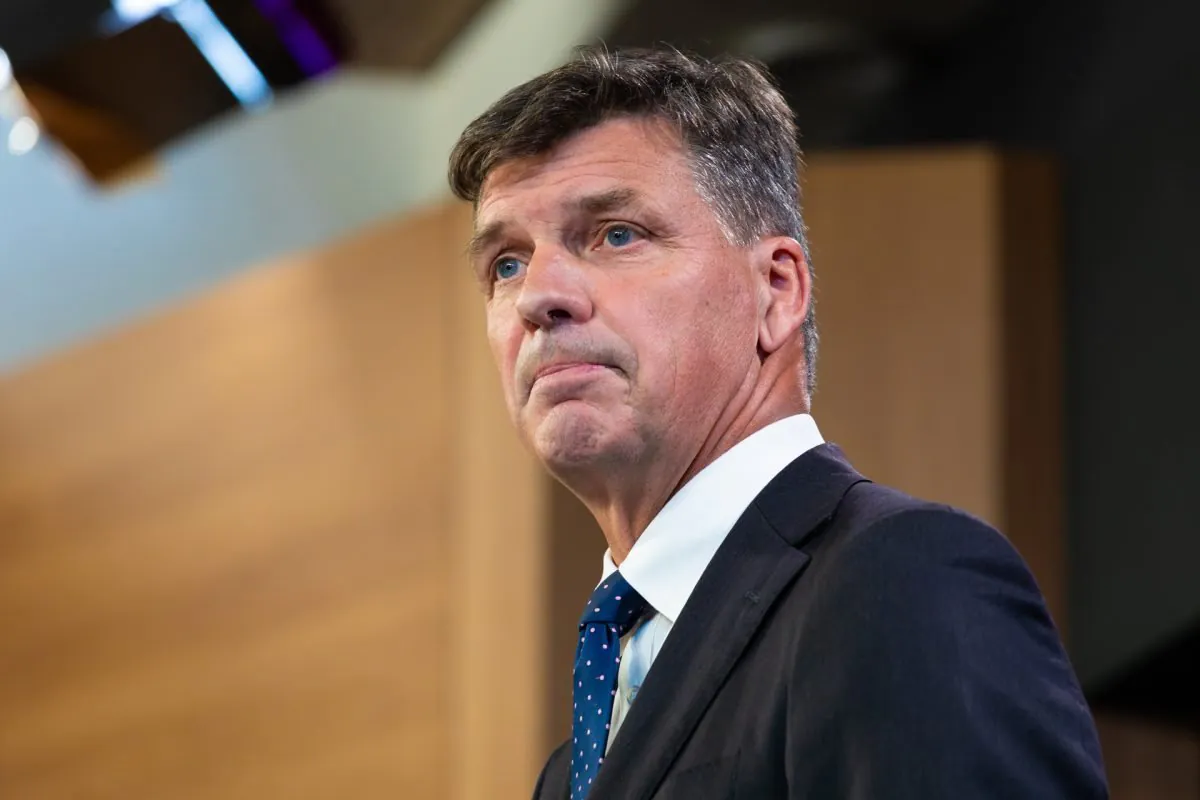
The drama unfolded when Mr Taylor was asked repeatedly if he still supported multiculturalism, but he refused to give a clear answer, instead saying that he supported “a version of multiculturalism” with stricter migration controls.
This backflip has sparked outrage from Labor, with frontbencher Clare O’Neil accusing Mr Taylor of being “cowardly” and “inert” in the face of One Nation’s “outrageous nonsense.” Meanwhile, Liberal MPs have rushed to defend the party’s commitment to multiculturalism, with Deputy leader Jane Hume saying that Australia is “already” a multicultural society.
But what exactly does this mean for Australia’s future?
As the country grapples with its identity and values, security analysts say that the Coalition’s plan to strengthen immigration controls and deport those who fail the character test could have significant implications for national security.
“If we’re not careful, we could be letting in people who don’t share our values and who could potentially pose a threat to our way of life,” said one expert.
Analysis: What This Means for AustraliaThe debate over multiculturalism and immigration has significant implications for Australia’s national security, law enforcement, and community cohesion.
If the Coalition’s plan to slash migration and tighten immigration controls is implemented, it could lead to a more homogeneous society, which could have both positive and negative consequences.
On the one hand, it could lead to a more cohesive society where everyone shares the same values and culture.
On the other hand, it could also lead to a lack of diversity and a loss of the benefits that come with it, such as cultural exchange and economic growth.
Law enforcement insiders warn that the plan could also lead to a rise in extremism and radicalization, as people who feel marginalized and excluded from society may turn to extremist ideologies.
“We need to be careful not to create a sense of Us versus Them,” said one expert.
“We need to make sure that everyone feels included and valued, regardless of their background or culture.”
The economic consequences of the plan are also significant.
A reduction in migration could lead to a shortage of skilled workers, which could have a negative impact on the economy.
Industry observers believe that the plan could also lead to a brain drain, as highly skilled workers may choose to go to other countries with more welcoming immigration policies.
As the debate rages on, it’s clear that the future of Australia’s multicultural society hangs in the balance. Will the country continue to be a welcoming and inclusive society, or will it become a more homogeneous and insular society?
Only time will tell. Security analysts say that the key to a successful immigration policy is to strike a balance between national security and community cohesion.
“We need to make sure that we’re letting in people who share our values and who are committed to our way of life,” said one expert.
“But we also need to make sure that we’re not excluding people who could make a valuable contribution to our society.”
As the country navigates this complex issue, it’s clear that the stakes are high.
The future of Australia’s multicultural society, its national security, and its economy all depend on getting this right.
The controversy surrounding Opposition leader Angus Taylor’s stance on multiculturalism has ignited a fierce national debate about Australia’s cultural identity and the future of its immigration policies. At the heart of the issue is the Coalition’s plan to slash migration and tighten immigration controls, which has raised concerns about the impact on Australia’s multicultural society. As the debate rages on, One Nation’s push for an end to multiculturalism and a “monoculture” Australia is gaining momentum, leaving many to wonder what this means for the country’s future.
The drama unfolded when Mr Taylor was asked repeatedly if he still supported multiculturalism, but he refused to give a clear answer, instead saying that he supported “a version of multiculturalism” with stricter migration controls. This backflip has sparked outrage from Labor, with frontbencher Clare O’Neil accusing Mr Taylor of being “cowardly” and “inert” in the face of One Nation’s “outrageous nonsense.” Meanwhile, Liberal MPs have rushed to defend the party’s commitment to multiculturalism, with Deputy leader Jane Hume saying that Australia is “already” a multicultural society.
But what exactly does this mean for Australia’s future? As the country grapples with its identity and values, security analysts say that the Coalition’s plan to strengthen immigration controls and deport those who fail the character test could have significant implications for national security. “If we’re not careful, we could be letting in people who don’t share our values and who could potentially pose a threat to our way of life,” said one expert.
The debate over multiculturalism and immigration has significant implications for Australia’s national security, law enforcement, and community cohesion. If the Coalition’s plan to slash migration and tighten immigration controls is implemented, it could lead to a more homogeneous society, which could have both positive and negative consequences. On the one hand, it could lead to a more cohesive society where everyone shares the same values and culture. On the other hand, it could also lead to a lack of diversity and a loss of the benefits that come with it, such as cultural exchange and economic growth.
Law enforcement insiders warn that the plan could also lead to a rise in extremism and radicalization, as people who feel marginalized and excluded from society may turn to extremist ideologies. “We need to be careful not to create a sense of Us versus Them,” said one expert. “We need to make sure that everyone feels included and valued, regardless of their background or culture.”
The economic consequences of the plan are also significant. A reduction in migration could lead to a shortage of skilled workers, which could have a negative impact on the economy. Industry observers believe that the plan could also lead to a brain drain, as highly skilled workers may choose to go to other countries with more welcoming immigration policies.
As the debate rages on, it’s clear that the future of Australia’s multicultural society hangs in the balance. Will the country continue to be a welcoming and inclusive society, or will it become a more homogeneous and insular society? Only time will tell.
Security analysts say that the key to a successful immigration policy is to strike a balance between national security and community cohesion. “We need to make sure that we’re letting in people who share our values and who are committed to our way of life,” said one expert. “But we also need to make sure that we’re not excluding people who could make a valuable contribution to our society.”
As the country navigates this complex issue, it’s clear that the stakes are high. The future of Australia’s multicultural society, its national security, and its economy all depend on getting this right.