Australia’s Chicken Meat Empire Under Threat: Papua New Guinea Slaps Ban on Imports After Bird Flu Scare
- Australia’s largest chicken meat buyer, Papua New Guinea, suspends imports of Australian poultry and eggs amid bird flu fears
- Wild birds in Western Australia test positive for H5N1 virus, sparking trade ban and concerns for $133 million export industry
- Australian authorities scramble to reassure trading partners and contain outbreak, insisting no evidence of virus spread or establishment in Australia
- Chicken processors on high alert, with industry giant Ingham’s locking down WA plants and restricting access
The news has sent shockwaves through Australia’s lucrative chicken meat industry, with Papua New Guinea’s sudden ban on imports leaving exporters reeling.
The decision follows the detection of the H5N1 bird flu virus in two wild birds in Western Australia, sparking concerns about the potential spread of the disease.
The federal Department of Agriculture, Fisheries and Forestry (DAFF) has confirmed that Papua New Guinea’s National Agriculture and Quarantine Inspection Authority has advised it will stop buying Australian chicken products, including eggs and egg products, until further notice.
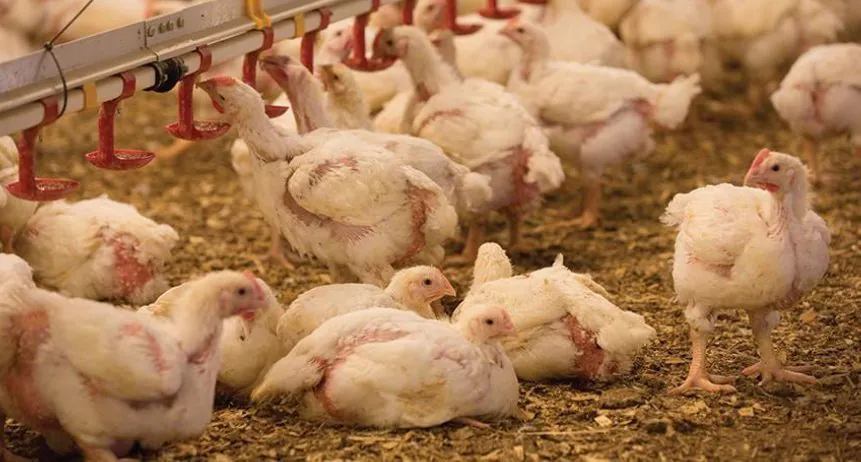
The move is a significant blow to Australia’s $133 million chicken meat export industry, with Papua New Guinea accounting for around half of the country’s total exports.
Australian authorities are working to reassure trading partners that the country remains free from H5 bird flu in poultry and agriculture production systems.


Minister for Agriculture, Fisheries and Forestry Julie Collins has described the trade ban as “uncalled for”, given the lack of evidence that the virus has spread or become established in Australia.
However, the detection of H5N1 in wild birds has prompted concerns about the potential risks to Australia’s chicken meat industry.
Ingham’s, one of the country’s largest chicken processors, has taken the precautionary step of locking down its WA plants and restricting access to non-essential personnel.
The company’s move is a stark reminder of the devastating impact that a bird flu outbreak could have on the industry. The Australian Centre for Disease Preparedness confirmed the detection of H5N1 avian influenza in Australia on Friday, sparking a swift response from authorities.
While the detection in wild birds does not change Australia’s current high pathogen avian influenza (HPAI)-free status, the incident has highlighted the need for vigilance and cooperation between authorities, industry stakeholders, and trading partners.
Analysis: What This Means for AustraliaThe Papua New Guinea ban on Australian chicken meat imports is a wake-up call for the industry, highlighting the risks and uncertainties associated with international trade.
The incident also underscores the importance of maintaining high biosecurity standards and cooperating with trading partners to prevent the spread of disease.
Security analysts say that the ban could have significant economic and social consequences for Australia, particularly in rural communities where chicken farming is a major employer.
“The ban could lead to job losses, financial hardship, and economic disruption in these communities,” one analyst warned. Law enforcement insiders also point out that the incident highlights the need for increased vigilance and cooperation between authorities to prevent the spread of disease.
“The ban is a reminder that biosecurity is a critical component of national security, and that we need to work closely with our trading partners to prevent the spread of disease,” an insider said.
Industry observers believe that the ban could also have broader implications for Australia’s agricultural sector, highlighting the need for increased investment in biosecurity measures and emergency preparedness.
“The incident is a timely reminder that we need to be proactive in preventing and responding to disease outbreaks, rather than simply reacting to them,” one observer noted.
As the situation continues to unfold, Australian authorities will be working closely with Papua New Guinea to resolve the issue and reassure trading partners about the safety and quality of Australian chicken meat products.
The incident serves as a stark reminder of the importance of maintaining high biosecurity standards and cooperating with trading partners to prevent the spread of disease.
The news has sent shockwaves through Australia’s lucrative chicken meat industry, with Papua New Guinea’s sudden ban on imports leaving exporters reeling. The decision follows the detection of the H5N1 bird flu virus in two wild birds in Western Australia, sparking concerns about the potential spread of the disease.
The federal Department of Agriculture, Fisheries and Forestry (DAFF) has confirmed that Papua New Guinea’s National Agriculture and Quarantine Inspection Authority has advised it will stop buying Australian chicken products, including eggs and egg products, until further notice. The move is a significant blow to Australia’s $133 million chicken meat export industry, with Papua New Guinea accounting for around half of the country’s total exports.
Australian authorities are working to reassure trading partners that the country remains free from H5 bird flu in poultry and agriculture production systems. Minister for Agriculture, Fisheries and Forestry Julie Collins has described the trade ban as “uncalled for”, given the lack of evidence that the virus has spread or become established in Australia.
However, the detection of H5N1 in wild birds has prompted concerns about the potential risks to Australia’s chicken meat industry. Ingham’s, one of the country’s largest chicken processors, has taken the precautionary step of locking down its WA plants and restricting access to non-essential personnel. The company’s move is a stark reminder of the devastating impact that a bird flu outbreak could have on the industry.
The Australian Centre for Disease Preparedness confirmed the detection of H5N1 avian influenza in Australia on Friday, sparking a swift response from authorities. While the detection in wild birds does not change Australia’s current high pathogen avian influenza (HPAI)-free status, the incident has highlighted the need for vigilance and cooperation between authorities, industry stakeholders, and trading partners.
The Papua New Guinea ban on Australian chicken meat imports is a wake-up call for the industry, highlighting the risks and uncertainties associated with international trade. The incident also underscores the importance of maintaining high biosecurity standards and cooperating with trading partners to prevent the spread of disease.
Security analysts say that the ban could have significant economic and social consequences for Australia, particularly in rural communities where chicken farming is a major employer. “The ban could lead to job losses, financial hardship, and economic disruption in these communities,” one analyst warned.
Law enforcement insiders also point out that the incident highlights the need for increased vigilance and cooperation between authorities to prevent the spread of disease. “The ban is a reminder that biosecurity is a critical component of national security, and that we need to work closely with our trading partners to prevent the spread of disease,” an insider said.
Industry observers believe that the ban could also have broader implications for Australia’s agricultural sector, highlighting the need for increased investment in biosecurity measures and emergency preparedness. “The incident is a timely reminder that we need to be proactive in preventing and responding to disease outbreaks, rather than simply reacting to them,” one observer noted.
As the situation continues to unfold, Australian authorities will be working closely with Papua New Guinea to resolve the issue and reassure trading partners about the safety and quality of Australian chicken meat products. The incident serves as a stark reminder of the importance of maintaining high biosecurity standards and cooperating with trading partners to prevent the spread of disease.