‘Dark Clouds Gather Over Kalbarri’: 110 Jobs Slashed as Lucky Bay Garnet Mine Closes Amid Middle East Conflict and Soaring Costs
- Mineral Resources to shut down Lucky Bay garnet project in Western Australia’s Midwest, cutting 110 jobs and dealing a devastating blow to the local community.
- The company cites ongoing conflict in the Middle East and rising operating costs as the reason for the closure, which is expected to result in a $40 million loss.
- The small coastal town of Kalbarri, with a population of just 3,500, is bracing for economic shock as the mine’s closure threatens to force families out of town and impact local businesses.
- Shire of Northampton chief executive Andrew Campbell warns of a “significant blow” to the community, with the closure expected to have a “huge” impact on retail and hospitality businesses.
The Lucky Bay garnet mine, located about 600 kilometres north of Perth, will cease operations from July 1, leaving a trail of devastation in its wake.
The mine’s closure is a stark reminder of the far-reaching consequences of global conflict and the volatility of the mining industry.
Mineral Resources, led by Chris Ellison, announced the closure after a “strategic review” found the project to be uneconomic. The company will consider selling the project, but for now, the focus is on supporting the 110 employees who will lose their jobs.
The miner has promised to offer redeployment opportunities to affected staff, but it’s unclear how many will be able to take up these offers.
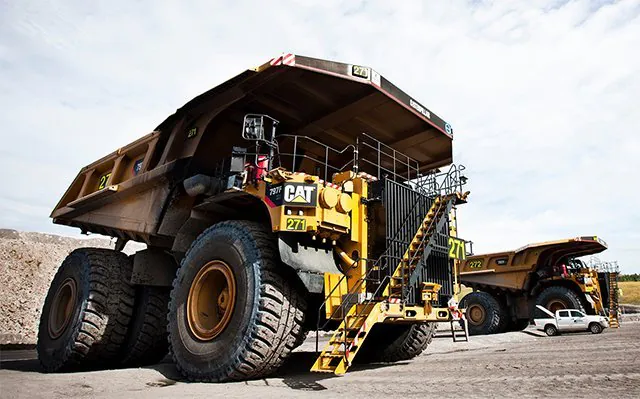
The Lucky Bay garnet project has been in operation for several years, providing a much-needed economic boost to the small coastal community of Kalbarri.




However, the ongoing conflict in the Middle East has had a significant impact on the mine’s financial performance, with a substantial proportion of its sales coming from the region.
The rising cost of diesel has also added to the mine’s woes, making it increasingly difficult for the company to turn a profit.
The closure of the mine will have far-reaching consequences for the community, with many families relying on the income provided by the mine.
Shire of Northampton chief executive Andrew Campbell has warned of a “significant blow” to the community, with the closure expected to have a “huge” impact on retail and hospitality businesses.
Analysis: What This Means for Australia
The closure of the Lucky Bay garnet mine is a stark reminder of the challenges facing the Australian mining industry.
The conflict in the Middle East and rising operating costs have made it increasingly difficult for companies to turn a profit, and the consequences are being felt across the country.
As the mining industry continues to evolve, it’s clear that Australian companies must adapt to the changing global landscape in order to remain competitive.
Security analysts say that the closure of the mine highlights the need for Australian companies to diversify their operations and reduce their reliance on global markets.
“The Lucky Bay garnet mine is just the latest example of the risks associated with relying on global markets,” one analyst said. “Australian companies need to be looking at ways to reduce their exposure to global conflicts and market fluctuations in order to remain competitive.”
Law enforcement insiders warn that the closure of the mine could also have implications for the local community, with the loss of jobs and economic activity potentially leading to increased crime and social unrest.
“The closure of the mine will undoubtedly have a significant impact on the local community,” one insider said. “It’s essential that authorities are prepared to provide support and resources to mitigate the effects of the closure.”