‘Doublet Earthquakes’ That Killed Hundreds in Venezuela Reveal Nation’s Hidden Seismic Dangers
- Two powerful earthquakes struck Venezuela’s northern coast, killing hundreds and injuring over 1,500 people in a rare ‘doublet’ event
- The 7.2 and 7.5 magnitude quakes hit just 39 seconds apart, toppling buildings and causing widespread destruction
- The disaster highlights Venezuela’s vulnerability to seismic activity, with experts warning of a complex fault structure and a lack of early warning systems
- Thousands are still missing, with the coastal region of La Guaira bearing the brunt of the damage and casualties
The devastating earthquakes that rocked Venezuela’s northern coast, killing hundreds of people and injuring over 1,500, were a rare and deadly phenomenon known as a ‘doublet’.
This type of event occurs when two similar-sized earthquakes strike close together in location and time, causing unprecedented destruction and chaos.
The 7.2 and 7.5 magnitude quakes hit just 39 seconds apart, catching residents off guard and leaving a trail of devastation in their wake.
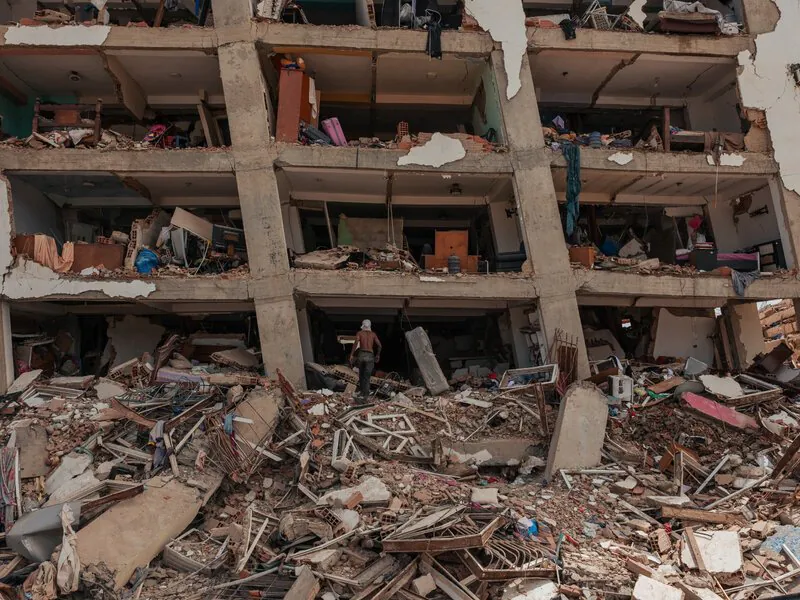
The quakes struck the coastal region of La Guaira, north of Caracas, with the full extent of the damage and casualties still unknown. Thousands of people are still missing, and the region is struggling to cope with the aftermath of the disaster.
The Venezuelan government has declared a state of emergency, with rescue teams working tirelessly to search for survivors and provide aid to those affected.


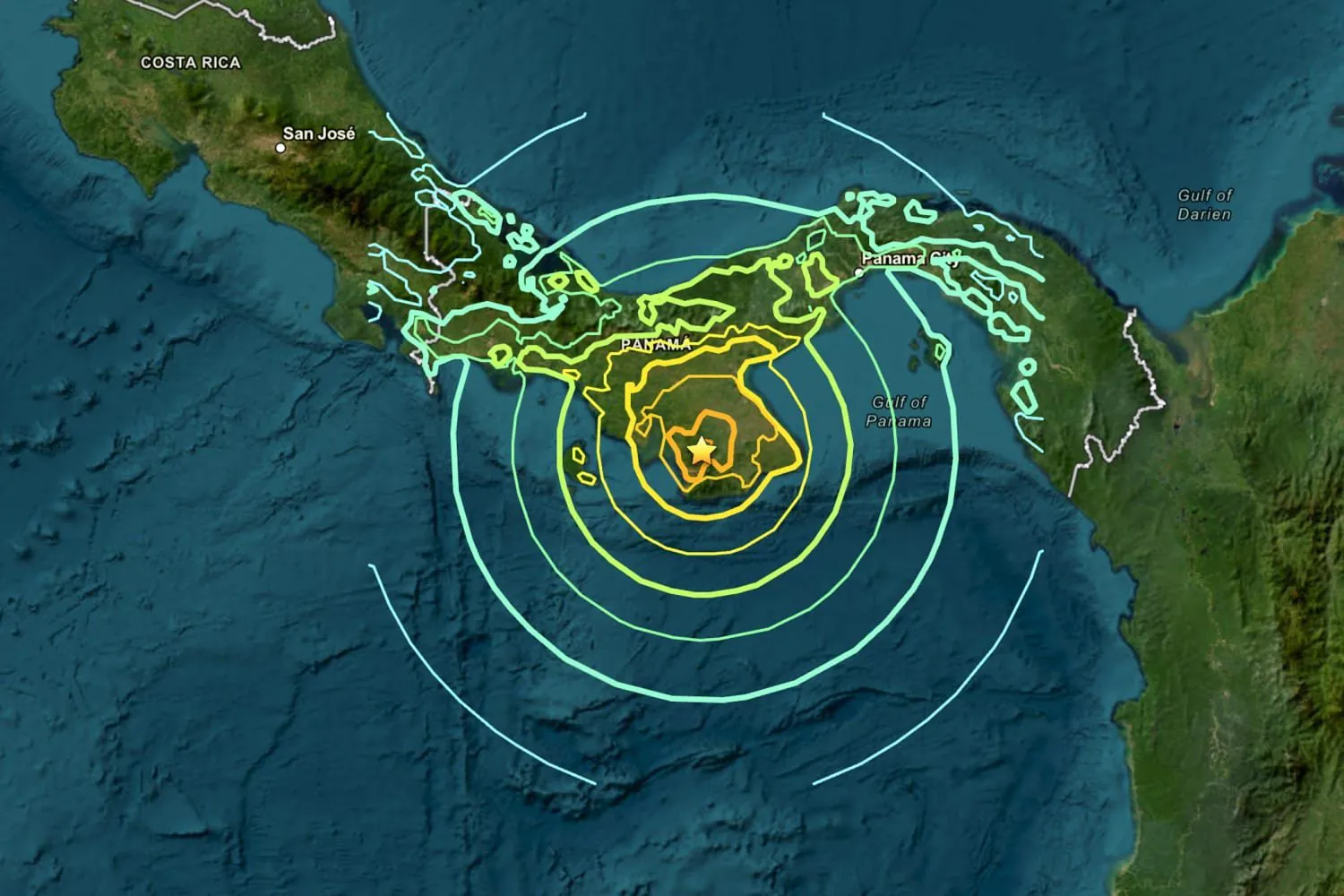
According to the US Geological Survey (USGS), doublets are not as common as typical earthquakes, where a main shock is followed by smaller aftershocks. However, they can happen anywhere in the world, and indicate a complex fault structure, such as the one found in Venezuela.
The Bocono fault, which runs along the backbone of the Venezuelan Andes for approximately 500 kilometers, is a prime example of this type of fault structure.
Experts warn that the doublet that struck Venezuela is a sign of the country’s hidden seismic dangers. The movement of the Caribbean and South American tectonic plates, which meet at the Bocono fault, is a large displacement that can cause significant damage.
The USGS notes that the boundary between the two plates is less active than others, but the region is still prone to powerful earthquakes.
Analysis: What This Means for Australia
The devastating earthquakes in Venezuela serve as a stark reminder of the importance of earthquake preparedness and early warning systems. Australia, which is also located in a seismically active region, can learn valuable lessons from this disaster.
While Australia has a robust early warning system in place, the country’s northern regions, such as Darwin and the Kimberley, are still vulnerable to powerful earthquakes.
Security analysts say that the Venezuelan disaster highlights the need for continued investment in disaster preparedness and mitigation measures. “The lack of an early warning system in Venezuela is extremely unfortunate,” said one expert.
“Australia must continue to prioritize its own early warning systems to minimize the risk of damage and casualties in the event of a powerful earthquake.”
Law enforcement insiders also warn that the disaster in Venezuela could have significant implications for regional stability. “The devastating impact of the earthquakes could exacerbate existing social and economic tensions in the region,” said one insider.
“Australia must be prepared to provide humanitarian aid and support to its regional neighbors in the event of a similar disaster.”