
Historic Pub Closures Threaten the Very Fabric of Outback Communities: Is This the End of an Era?
- Australia’s outback pubs are vanishing at an alarming rate, with the latest casualty being the 130-year-old Junction Hotel in Broken Hill.
- The hotel’s closure has left a gaping hole in the community, with locals fearing for the future of their cherished gathering places.
- Experts warn that rural pubs need to diversify their offerings to survive, but is it too little, too late for these beloved institutions?
- The decline of the outback pub culture has far-reaching consequences for rural communities, threatening the very fabric of their social lives.
For over six decades, Harry Plane has had a designated seat at his favorite local pub, the Junction Hotel in Broken Hill.
The pub, which has been a staple of the outback city’s social scene since 1891, has served as a gathering place for miners, footy players, and railway workers.
But on June 6, the Junction Hotel closed its doors for the final time, leaving Plane and his friends to mourn the loss of their beloved watering hole.
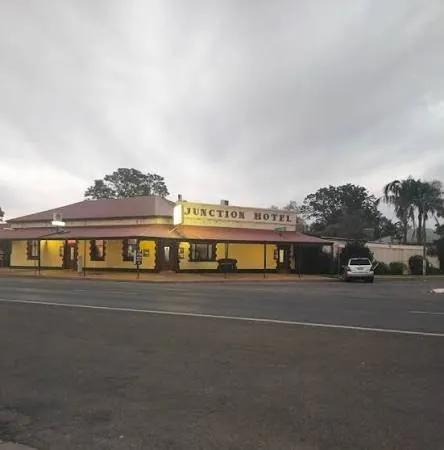
The Junction Hotel’s demise is not an isolated incident. Across Broken Hill and far west NSW, the population has declined by 18% since 2000-2001, from over 35,000 to around 17,500 people.
The city’s pubs have been declining along with its population, with many establishments closing their doors for good.
The decline is driven in part by the modernisation of mining operations, which require fewer workers, as well as evolving drinking habits and cost-of-living pressures.
Dean Trengove, the Australian Hotels Association state council delegate and owner of his own pub in Broken Hill, warns that pubs in remote locations need to diversify their offerings to survive.
“It’s survival of the fittest, and it’s about the facilities that you offer and how you run your business,” he says. “You’ve got to try and offer as many services as you can to maintain and give people a reason to come to the pub.”
But for the Junction Hotel, it was too little, too late. The pub’s manager, Grant Williams, believes the decision to remove the hotel’s nine poker machines in 2022 spelled the end of the pub.
“Once the pokies went, we didn’t make any money,” Williams says. “We lost 50 regulars because they liked to play the pokies.
We were losing a lot of money every week.”
The decline of the outback pub culture has far-reaching consequences for rural communities. Pubs are woven into the rich social history of these remote cities, serving as meeting places for trade unions, social clubs, and political rallies.
Emily McInerney, who has published a book on the history of pubs in Broken Hill and far west NSW, says that even now, pubs are more than just a place to go and drink.
“Even if people aren’t using it as a pub, it’s still a function centre,” she says. “People have gotten married there, had 21sts and 30ths and 40ths and 50ths there.”
Analysis: What This Means for Australia
The closure of the Junction Hotel and other outback pubs has significant implications for rural communities. These establishments are not just places to grab a drink; they are community hubs that provide a sense of belonging and connection for locals.
The decline of these pubs threatens the very fabric of rural social lives, leaving a void that cannot be filled by other businesses or services.
Furthermore, the loss of these pubs has economic consequences for rural communities. Pubs are often major employers and contributors to local economies, and their closure can have a ripple effect throughout the community.
The decline of the outback pub culture also has cultural implications, as these establishments are often tied to the region’s mining history and serve as a link to the past.
Security analysts warn that the decline of rural pubs can also have national security implications, as these establishments often serve as community gathering places and can provide a sense of stability and normalcy in times of uncertainty.
“The decline of rural pubs can have a disproportionate impact on rural communities, which are already vulnerable to economic and social pressures,” says one analyst. “It’s essential that we find ways to support and preserve these community hubs, rather than letting them disappear.”
As the Junction Hotel’s closure serves as a stark reminder of the challenges facing rural pubs, it’s clear that urgent action is needed to preserve these beloved institutions.
By diversifying their offerings and finding new ways to engage with their communities, rural pubs can continue to thrive and serve as the heart of their communities.
But if we fail to act, we risk losing a vital part of our cultural heritage and leaving rural communities without the social hubs they so desperately need.