
Bird Flu Alert: Australia on High Alert as Mysterious Case in Perth Sparks Fears of Deadly Outbreak
- A bird found dead on a Perth beach has been “presumed positive” for H5 avian influenza, sparking fears of a deadly outbreak
- The case is the seventh detection of bird flu in Australia and the first in Perth, with experts warning of a “precautionary” approach
- The outbreak has raised concerns about the risk of transmission to humans, despite authorities insisting the risk remains low
- Experts say the detection of bird flu in migratory seabirds is a “wake-up call” for Australia’s poultry industry and biosecurity measures
A chill ran down the spines of Australian health authorities after a giant petrel was found dead on a beach in Perth, with tests suggesting it may have been infected with the highly pathogenic H5N1 bird flu strain.
The discovery has sent shockwaves across the country, with experts warning of a “precautionary” approach to prevent a potential outbreak.
The CSIRO’s Australian Centre for Disease Preparedness confirmed the bird, found in the northern coastal suburb of Mullaloo, was infected with a H5 subtype, but was unable to sequence the virus to identify the exact strain.
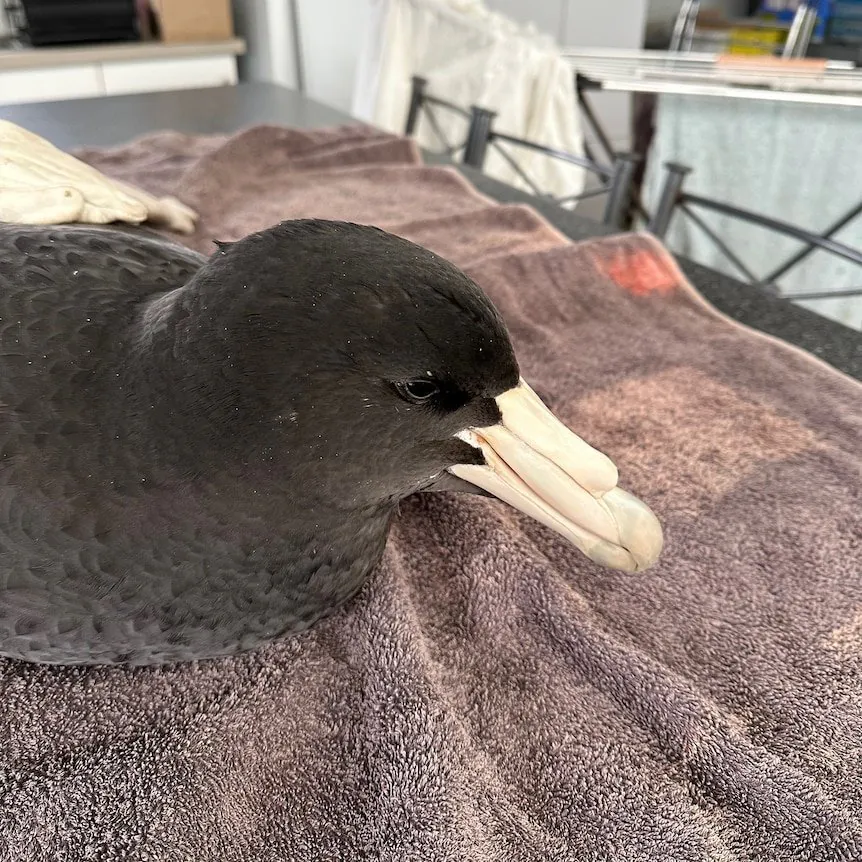
However, WA’s Department of Primary Industries and Regional Development is treating it as a positive match for H5N1 as a precautionary measure.
Dr Sam Hamilton, federal acting chief veterinary officer, explained that the inability to sequence the virus was not unexpected, citing factors such as the amount of virus in the sample and sample quality.
However, the detection of H5N1, the same subtype that has caused mass mortality in poultry, wild birds, and sea mammals globally, has raised concerns about the risk of transmission to humans.
Despite the latest case, Hamilton reassured the public that the risk to human health remains low, with no evidence of mass mortality events and no detections in poultry or agricultural production systems.
However, the detection of bird flu in migratory seabirds has sparked fears of a potential outbreak, with experts warning of a “wake-up call” for Australia’s poultry industry and biosecurity measures.
Analysis: What This Means for Australia
The detection of bird flu in Australia has significant implications for the country’s poultry industry and biosecurity measures.
With the outbreak of H5N1, the same strain that has caused widespread devastation globally, experts warn that Australia’s poultry sector is vulnerable to a potential outbreak.
The discovery of the virus in migratory seabirds has raised concerns about the risk of transmission to domestic birds and, ultimately, humans.
Security analysts say that the detection of bird flu in Australia highlights the need for robust biosecurity measures to prevent the spread of the virus. “The detection of H5N1 in migratory seabirds is a wake-up call for Australia’s poultry industry and biosecurity measures,” said one expert.
“The risk of transmission to domestic birds and humans is real, and we need to take immediate action to prevent a potential outbreak.”
Law enforcement insiders warn that the outbreak of bird flu could have significant economic and social consequences for Australia. “The detection of H5N1 could lead to a significant impact on Australia’s poultry industry, with potential losses in the millions,” said one source.
“We need to take immediate action to prevent the spread of the virus and mitigate the economic and social consequences.”
Industry observers believe that the detection of bird flu in Australia highlights the need for increased investment in biosecurity measures. “The detection of H5N1 is a clear indication that Australia’s biosecurity measures are not robust enough,” said one expert.
“We need to invest in more effective measures to prevent the spread of the virus and protect our poultry industry.”
As the situation continues to unfold, authorities are urging the public to report any sightings of sick or dead birds to the Emergency Animal Disease Hotline on 1800 675 888.
Importantly, people are advised not to touch sick or dead animals, as this can increase the risk of transmission.
With the outbreak of bird flu in Australia, the country is on high alert, and experts are warning of a “precautionary” approach to prevent a potential outbreak.
As the situation continues to unfold, one thing is clear: Australia’s poultry industry and biosecurity measures are under the microscope, and the country’s response to this outbreak will have significant implications for its economic and social well-being.