North Queensland Council Backflips on Plan to Restrict Road Trains After Farmer Backlash: ‘A Kick in the Guts’ to Already Struggling Industry
- Isaac Regional Council abandons plan to restrict road trains on five key freight routes after farmers voice concerns over added costs and time
- Farmers say proposed changes would have increased costs and hours to grain deliveries, exacerbating existing industry pressures
- Council commissions independent assessment of intersections to ensure safety without compromising productivity
- Local farmers and GrainCorp advocate for maintaining access for 53.5-metre road trains, critical to efficient harvest operations
The Isaac Regional Council has scrapped its plans to restrict road trains on five key freight routes in North Queensland, following fierce opposition from local farmers who claimed the changes would be a “kick in the guts” to the already struggling industry.
The council’s initial proposal, announced in March, aimed to address safety concerns at several intersections where longer heavy vehicles were at risk of not having enough room to stop safely between rail crossings and intersections.
However, farmers in the region, west of Mackay, argued that the changes would add hours to their grain deliveries and increase costs, further exacerbating existing pressures in the industry.
Bradley Mifsud, a local farmer and board member of the farm lobby group AgForce, expressed his concerns about the proposed changes. “Our main concern is they were going to simply shorten the combination length allowed, and that’s not workable,” he said.
“In this volatile climate, we need to be able to cart as much grain as we legally can. To lessen that is a real kick in the guts.”




Instead of imposing the restrictions, the council has commissioned an independent consultant to assess the five intersections and identify potential safety improvements that won’t compromise productivity.
The review will examine the feasibility of simple modifications or more significant infrastructure upgrades to address the safety concerns.
The issue highlights the delicate balance between safety and productivity in the road transport industry, particularly in rural areas where farmers rely on efficient grain deliveries to remain competitive.
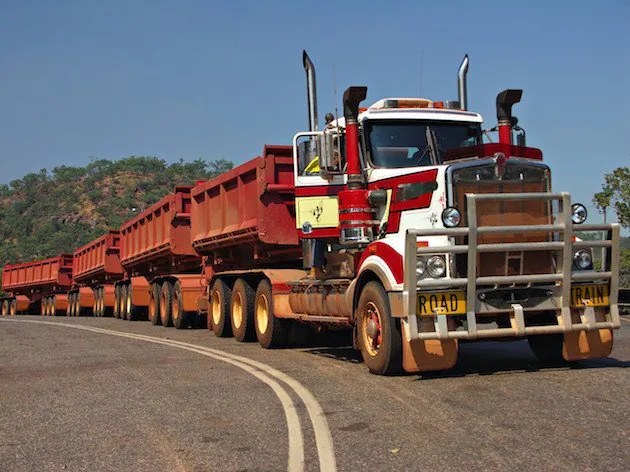
Road trains, which can be over 50 metres long, play a critical role in the region’s agricultural industry, with GrainCorp advocating for maintaining access for 53.5-metre road trains to ensure efficient harvest operations.
Analysis: What This Means for Australia
The Isaac Regional Council’s backflip on restricting road trains highlights the need for a more nuanced approach to addressing safety concerns in the road transport industry.
While safety is paramount, it’s essential to consider the economic and social implications of such decisions, particularly in rural areas where industries like agriculture are already facing significant pressures.
Law enforcement insiders warn that imposing blanket restrictions on road trains could have unintended consequences, such as increased costs and reduced productivity, ultimately affecting the livelihoods of farmers and the broader economy.
Instead, targeted safety improvements and infrastructure upgrades could provide a more effective solution, ensuring the safe and efficient movement of goods without compromising the industry’s competitiveness.
Security analysts say that the use of data-driven approaches, such as the National Automated Access System, could help identify and mitigate safety risks in the road transport network.
By leveraging technology and collaboration between industry stakeholders, governments can create a safer and more efficient transport system that supports the needs of rural industries and communities.
Industry observers believe that the Isaac Regional Council’s decision to commission an independent review is a step in the right direction, acknowledging the complexity of the issue and the need for a more considered approach.
As the review progresses, it’s essential to engage with affected road users and consider the broader implications of any proposed changes to ensure that safety and productivity are balanced effectively.
With the review expected to be completed in September, the council’s decision will be closely watched by industry stakeholders and rural communities, who will be hoping for a solution that supports the safe and efficient movement of goods without compromising the competitiveness of the region’s agricultural industry.
road transport industry rural communities National Heavy Vehicle Regulator