
Bali Bombings Mastermind’s Trial May Never Happen: ‘We’ve Been Told This Before’
- Australian families of Bali bombings victims fear the trial of alleged mastermind Encep “Hambali” Nurjaman may never happen after years of delays and complications.
- US prosecutors have told victims’ loved ones that the trial could begin in June next year, but many are skeptical after years of false assurances.
- The trial is delayed in part due to concerns about the CIA’s use of torture to obtain information, which has raised concerns about the admissibility of evidence.
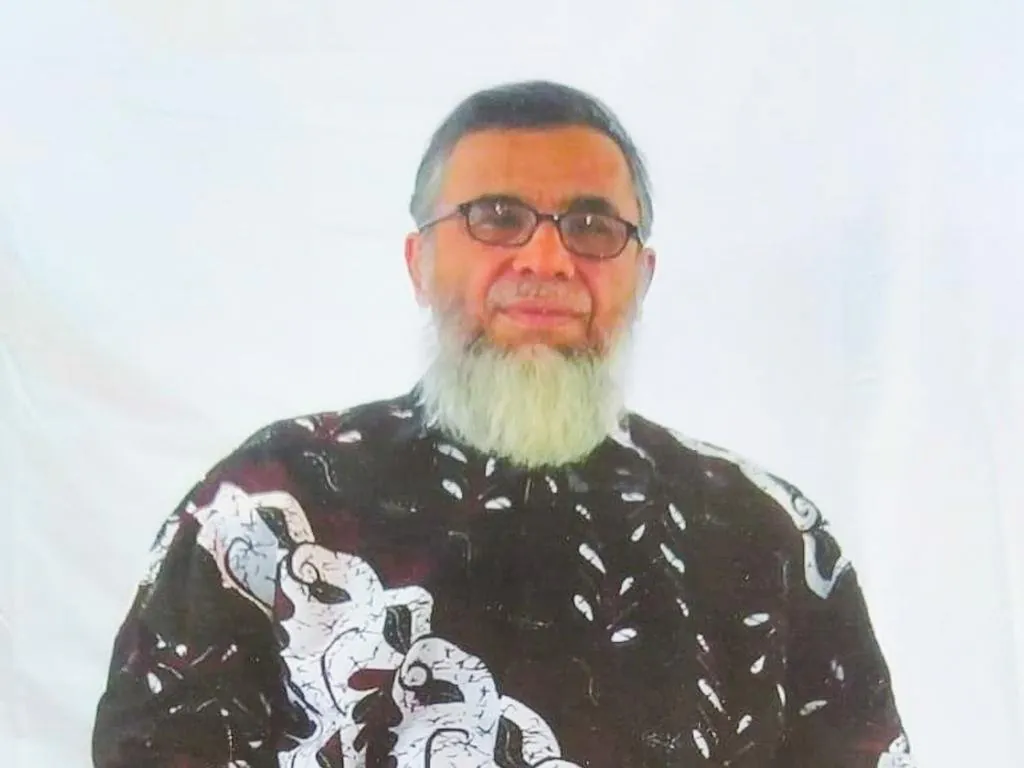
- Hambali, who has been held at Guantanamo Bay for 20 years, is accused of leading the Al Qaeda-linked terror group responsible for the 2002 Bali bombings that killed 202 people, including 88 Australians.
The wait for justice has been agonizing for families and friends of those killed in the 2002 Bali bombings. For years, they have been given false assurances that the trial of alleged mastermind Encep “Hambali” Nurjaman was just around the corner.
But despite a recent update from US prosecutors that the trial could begin in June next year, many are skeptical.
Sandra Thompson, whose son Clint was killed in the bombings, has been given too many false hopes in the past. “I thought, here we go again,” she said, after being told that the trial was finally going ahead.
“I’ve been told this every October, every year, that I would be going [to give the court] the victim impact statement.”
Jan Laczynski, who lost five friends in the bombings, was more optimistic after a recent video call with prosecutors. “I was blown away,” he said.
“This was the most amount of detail we have ever heard in this case.
It was the first time for over 12 months that they gave us pretty much a full picture of what their understanding of the case is.”
Prosecutors have told victims’ loved ones that they intend to seek 202 life sentences – one for each person killed in the bombings – to be served at Guantanamo Bay, with no prospect for repatriation to Hambali’s home country of Indonesia.
But the trial is delayed in part due to concerns about the CIA’s use of torture to obtain information, which has raised concerns about the admissibility of evidence.
Hambali, real name Encep Nurjaman, is accused of orchestrating the Bali bombings, which killed 202 people, including 88 Australians.
He was captured in a joint US–Thai police raid in 2003 and was taken into the CIA’s secret “rendition and interrogation” program, where he spent three years incommunicado in a network of secret CIA facilities, known as “black sites”, before he was transferred to Guantanamo Bay.
The US alleges Hambali led the Al Qaeda-linked terror group, Jemaah Islamiyah, which was responsible for the bombings and plotted several global terror attacks. Prosecutors say the trial will draw on evidence from multiple countries to demonstrate Hambali’s role in planning and directing the attacks.
But some advocates believe the trial will never go ahead.
Yumna Rizvi, a policy analyst with the Centre for Victims of Torture, said the prosecution’s case risks being undermined by evidence obtained through, or tainted by, torture.
“It’s much easier for the government to want to cover that up rather than say, ‘We messed up, we violated black letter domestic and international law, and we have to now face account for it,'” she said.
Analysis: What This Means for Australia
The Bali bombings represented the single largest loss of Australian life due to an act of terror. The protracted legal saga has left many Australians feeling frustrated and disillusioned with the judicial system.
The use of torture by the CIA to obtain information has raised concerns about the admissibility of evidence and the fairness of the trial.
Security analysts say that the trial’s delay has significant implications for national security. “The longer the trial is delayed, the more it undermines the rule of law and the more it emboldens terrorists,” said one analyst.
“It’s essential that the trial goes ahead and that Hambali is brought to justice.”
Law enforcement insiders warn that the delay has also raised concerns about the safety of Australians.
“The Bali bombings were a wake-up call for Australia, and the delay in the trial has meant that we have not been able to bring closure to the victims and their families,” said one insider.
“It’s essential that we learn from the past and take steps to prevent similar attacks in the future.”
As the trial’s delay continues, many Australians are left wondering if justice will ever be served. “A life sentence is still getting it easy … the fact that he’s still alive in jail, he should be grateful,” said Jan Laczynski.
“We just want to see this guy sentenced and dealt with. We just want to move on.”
For Sandra Thompson, the wait for justice has been agonizing. “I would like him to hear and see us, that we’re humans, that I’m a mother.
This can’t go on and on. Finish it.
Put an end to it.”
As the trial’s delay continues, Australians are left to wonder if justice will ever be served. Will Hambali finally face trial, or will the case continue to drag on?
Only time will tell.