
Albanese to Unveil Labor’s AI Vision Amid Fears of Weakened Copyright Laws and Australian Creatives’ Backlash
- Prime Minister Anthony Albanese to deliver speech on AI, addressing community concerns and outlining Labor’s approach to the technology
- Reports of AI giant Anthropic seeking copyright deal with federal government spark fears of weakened copyright laws and backlash from Australian creatives
- Labor’s draft national platform expands AI policy, pledging to protect Australian artists and content creators from AI exploitation and ensure transparency and accountability
- Copyright concerns persist despite Attorney-General Michelle Rowland’s reassurances that there are no plans to weaken copyright protections in relation to AI
The Australian government is on the cusp of making a significant decision on artificial intelligence, one that could have far-reaching consequences for the country’s creative sector.
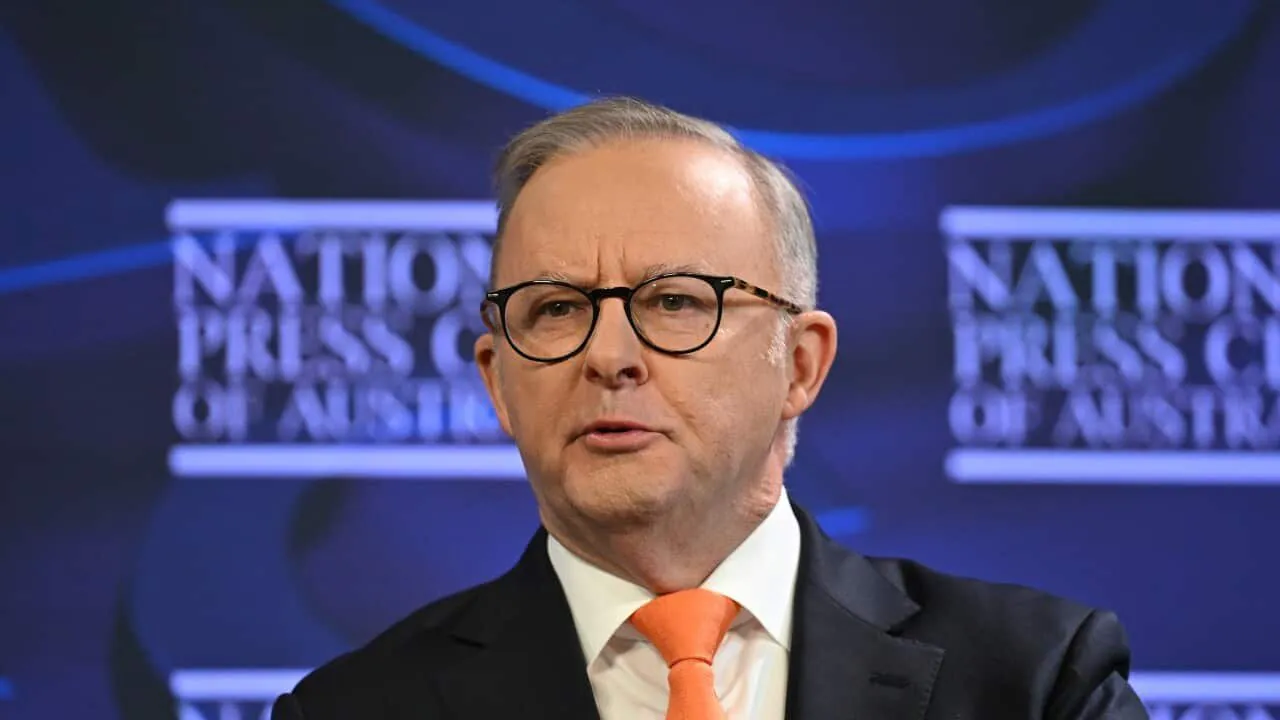
Prime Minister Anthony Albanese is set to deliver a speech on AI, outlining Labor’s approach to the technology and addressing community concerns about its potential risks and benefits.
At the heart of the debate is the issue of copyright laws and their application to AI.
Reports that AI giant Anthropic is seeking a copyright deal with the federal government have sparked fears among Australian creatives that the government is poised to weaken laws that protect their work.
The company has offered to make Australia its second home for training AI models, but only if an agreement on copyright can be reached. The concerns are not unfounded.
Anthropic’s proposal includes a 1.4GW data centre tender, potentially worth tens of billions of dollars, and a centralized fund for Australian creatives to be paid on a subscription basis in return for a copyright exemption.
While the company’s CEO, Dario Amodei, has stated that he is not trying to convince Australia to change its mind on protecting the copyright of local artists, many in the creative sector remain skeptical.
The latest draft of Labor’s national platform, seen by the ABC, has expanded its position on AI, pledging to support “legal frameworks and safeguards to protect Australian artists and content creators from AI exploitation”.
The document also adds an entirely new sovereign AI policy section, with commitments to ensure tech giants are held accountable to Australian “values and laws” and that there’s “transparency, accountability, fairness and culpability” for the “harms these systems and models produce”.
However, despite these reassurances, concerns about copyright laws persist.
Attorney-General Michelle Rowland has repeatedly stated that there are no plans to weaken copyright protections in relation to AI, but sources in the creative sector have said that people are seizing on any changes in language as evidence that this position might not hold.
The debate has sparked a backlash from Australian creatives, with many arguing that the government should not interfere with copyright laws. Singer Holly Rankin, who performs under the moniker Jack River, said that rights holders wanted Australia’s “strong” laws to remain.
“There have been some credible suggestions that there is a murmuring of ideas out there that big tech are looking for a weakening of copyright law,” she said.
The government’s approach to AI is not just about copyright laws; it’s also about ensuring that the technology is developed and used in a way that benefits Australia.
The draft platform calls for government procurement to be used to support Australian AI and “uphold” the nation’s “data sovereignty”.
On data centres, Labor has said they must “deliver for Australia”, including by investing in new renewable energy and electricity grid, as well as “use water sustainably and responsibly”.
Analysis: What This Means for Australia
The government’s approach to AI has significant implications for Australia’s national security, economy, and society.
As AI becomes increasingly integrated into our daily lives, it’s essential that we have a framework in place to protect our citizens and ensure that the technology is used responsibly.
The potential risks of AI are well-documented, from job displacement to biased decision-making. However, with the right regulations and safeguards in place, AI can also bring significant benefits, from improved healthcare outcomes to increased productivity.
Labor’s draft platform is a step in the right direction, but it’s essential that the government continues to engage with the creative sector and other stakeholders to ensure that their concerns are heard and addressed.
The government must also be transparent about its approach to AI and provide regular updates on its progress.
As the government navigates the complex landscape of AI, it’s essential that it prioritizes the needs of Australian citizens and businesses.
This includes protecting our intellectual property, ensuring that AI is developed and used responsibly, and investing in the skills and education needed to thrive in an AI-driven economy.
Security analysts say that the government’s approach to AI will have significant implications for Australia’s national security. “The government needs to ensure that AI is developed and used in a way that protects our citizens and our interests,” said one analyst.
“This includes protecting our intellectual property, ensuring that AI is used responsibly, and investing in the skills and education needed to thrive in an AI-driven economy.”
Industry observers believe that the government’s approach to AI will also have significant economic implications.
“AI has the potential to bring significant benefits to the Australian economy, from improved productivity to increased innovation,” said one observer. “However, it’s essential that the government gets the regulations right and provides the necessary support for businesses to thrive in an AI-driven economy.”
The Australian government is on the cusp of making a significant decision on artificial intelligence, one that could have far-reaching consequences for the country’s creative sector. Prime Minister Anthony Albanese is set to deliver a speech on AI, outlining Labor’s approach to the technology and addressing community concerns about its potential risks and benefits.
At the heart of the debate is the issue of copyright laws and their application to AI. Reports that AI giant Anthropic is seeking a copyright deal with the federal government have sparked fears among Australian creatives that the government is poised to weaken laws that protect their work. The company has offered to make Australia its second home for training AI models, but only if an agreement on copyright can be reached.
The concerns are not unfounded. Anthropic’s proposal includes a 1.4GW data centre tender, potentially worth tens of billions of dollars, and a centralized fund for Australian creatives to be paid on a subscription basis in return for a copyright exemption. While the company’s CEO, Dario Amodei, has stated that he is not trying to convince Australia to change its mind on protecting the copyright of local artists, many in the creative sector remain skeptical.