Peugeot’s Australian Exit: A Warning Sign for the Country’s Car Industry as French Marque Fails to Compete with Chinese Imports
- Peugeot’s Australian importer, Inchcape, will stop selling the brand’s cars from 2027 due to dismal sales, leaving the brand’s future uncertain.
- The French carmaker has seen a staggering 87% decline in sales since 2005, with annual sales likely to dip below 1000 for the first time in decades.
- Chinese imports have surged, with sales increasing tenfold since 2019, making them the number one supplier of cars to Australia.
- Peugeot’s parent company, Stellantis, is exploring new arrangements for the brand in Australia, but details remain unclear.
The writing is on the wall for Peugeot in Australia, with the French carmaker’s local importer, Inchcape, announcing it will stop selling its cars from 2027.
The decision comes as no surprise, given Peugeot’s dismal sales performance in recent years. With just 373 cars delivered in the first five months of 2026, the brand is on track to record its worst annual sales in decades.
So, what’s behind Peugeot’s struggles in the Australian market? The answer lies in the country’s changing car-buying habits.
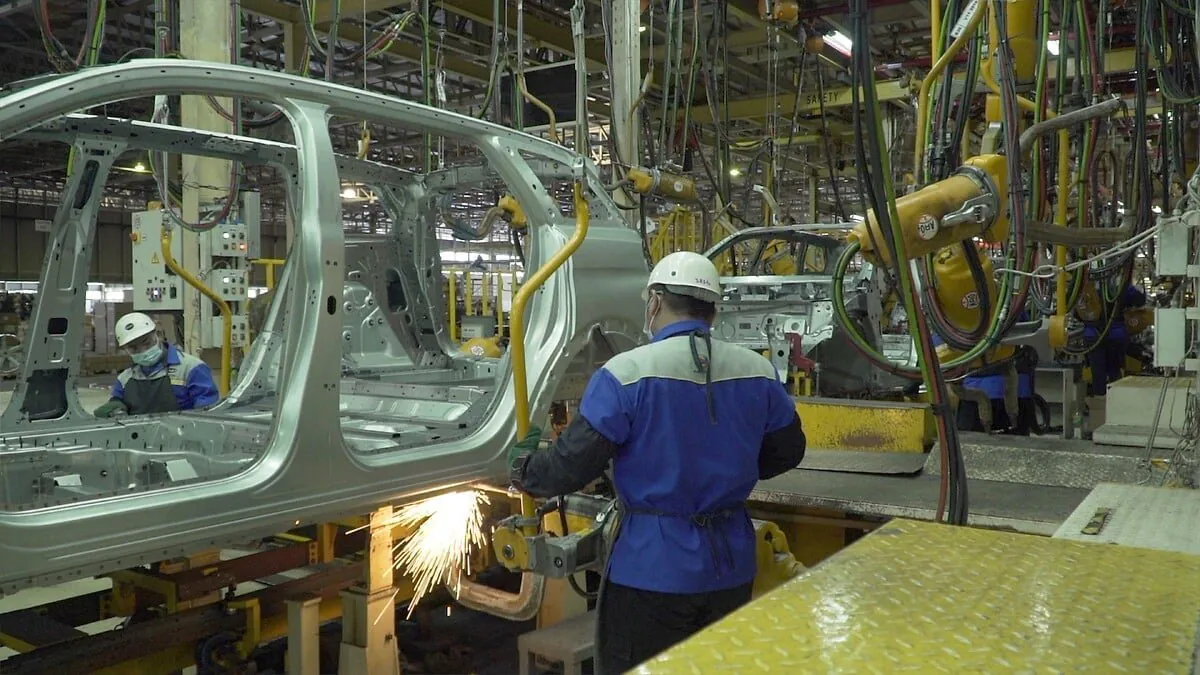
Chinese imports have become increasingly popular, with sales surging tenfold since 2019. Last year, Chinese brands accounted for over 220,000 sales in Australia, making them the number one supplier of cars to the country.
In contrast, French car sales have almost halved since 2019, with Peugeot’s parent company, Stellantis, investing heavily in Chinese car maker Leapmotor to stay competitive.




Peugeot’s decline in Australia is a symptom of a broader issue facing the country’s car industry. The rise of Chinese imports has forced local dealerships to adapt, with many turning to new brands to stay afloat.
Inchcape, which also imports Subaru cars, has invested in Chinese brands Deepal and Foton, while abandoning French marque Citroen in 2024. Stellantis, too, has shifted its focus to China, announcing a joint venture with Dongfeng to produce cut-price models for Jeep and Peugeot badges.
Analysis: What This Means for Australia
The decline of Peugeot in Australia has significant implications for the country’s car industry. As Chinese imports continue to dominate the market, local dealerships will need to adapt to stay competitive.
The rise of new brands will also lead to increased competition, potentially driving down prices and improving choice for consumers. However, it may also lead to job losses and economic uncertainty for those employed in the industry.
Security analysts warn that the influx of Chinese imports could also have national security implications, as foreign companies gain greater control over the country’s car market.
“The Australian car industry is facing a perfect storm of declining sales, increased competition, and foreign investment,” said one analyst.
“It’s a challenging time for local dealerships, and the government will need to carefully consider the implications of these changes for the country’s economic and national security interests.”
Law enforcement insiders also express concerns about the potential for counterfeit or faulty parts to enter the market, as Chinese imports increase. “We’re already seeing a rise in counterfeit car parts coming into the country,” said one insider.
“As the market becomes more complex, it’s going to be harder to track and regulate these imports, potentially putting consumers at risk.”