Sydney Woman’s Descent into Radicalisation: The Dark Story of Hodan Abby, the Last Known Australian IS-Linked Woman in Syria
- A Sydney woman, Hodan Abby, is alleged to have enforced Sharia law and arranged marriages for Islamic State women in a detention camp in Syria.
- She is accused of beating and enslaving a Yazidi girl in her home, and is known to have been in contact with a Dutch-Somali woman with a $5 million bounty on her head.
- Despite being issued a temporary exclusion order, Ms Abby has been granted a return permit and is expected to return to Australia, sparking concerns about national security and community safety.
- Experts warn that Ms Abby’s radicalisation is a symptom of a broader problem, with many women in detention camps becoming increasingly disenfranchised and radicalised.
In the squalid detention camp of al-Roj in northern Syria, a sense of fear and unease permeates the air. It’s here that Hodan Abby, a Sydney woman, is alleged to have enforced Sharia law and arranged marriages for Islamic State women.
Her story is one of radicalisation, violence, and extremism, and it raises serious concerns about national security and community safety in Australia.
According to a security source within the camp, Ms Abby was a cunning and threatening figure, known for her strict adherence to Islamic State ideology. She allegedly acted as a “Sharia judge”, enforcing the group’s extreme interpretation of Islamic law, and arranged marriages for women over the phone.
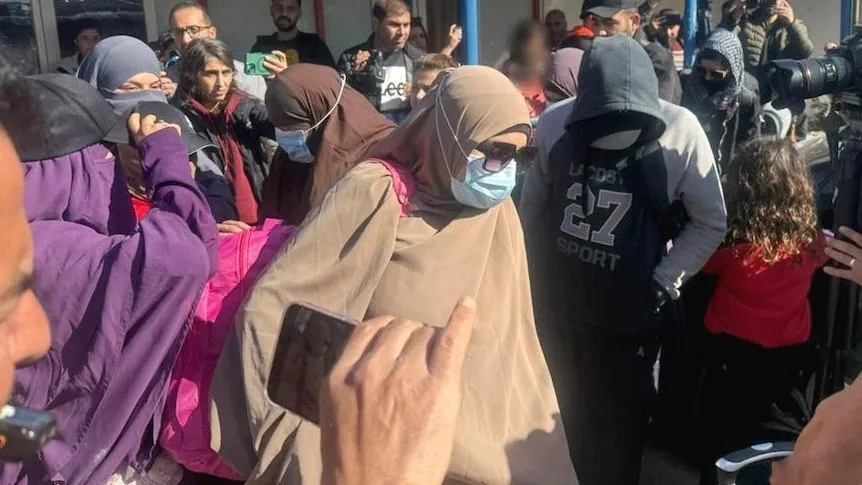
The source also claims that Ms Abby bribed other women in the camp with charity money to win their loyalty, and that she was in contact with Islamic State commanders in Idlib and Jarabulus.
Ms Abby’s actions did not go unnoticed, and she was detained by camp authorities on two separate occasions in 2021 and 2022. However, it’s unclear what specific actions led to her detention, or whether these allegations reflect her most recent behaviour and views.


What is clear, however, is that Ms Abby’s radicalisation is a symptom of a broader problem in the detention camps.
Devorah Margolin, a senior fellow at the Washington Institute for Near East Policy, has been tracking the detention of people linked to the Islamic State since 2017.
She warns that the experience of being held in a closed detention camp can have a radicalising effect on some women.
“Some came in extremely radicalised by the Islamic State, having been bought into the ideology, and the longer they were in detention, the more they saw that the Islamic State was not coming for them, the more disenfranchised they became,” she said.
Ms Abby’s case is particularly concerning, given her alleged connections to other extremist individuals. She is known to have been in contact with Khadra Essa, a Dutch-Somali woman with a $5 million bounty on her head.
Essa is accused of being the chief Sharia instructor of an all-female fighting battalion, and of teaching Islamic State extremist ideology that justified suicide operations and the killing of civilians.
The Australian government has been aware of Ms Abby’s activities, and in February, she was issued with a temporary exclusion order, barring her from returning to Australia.
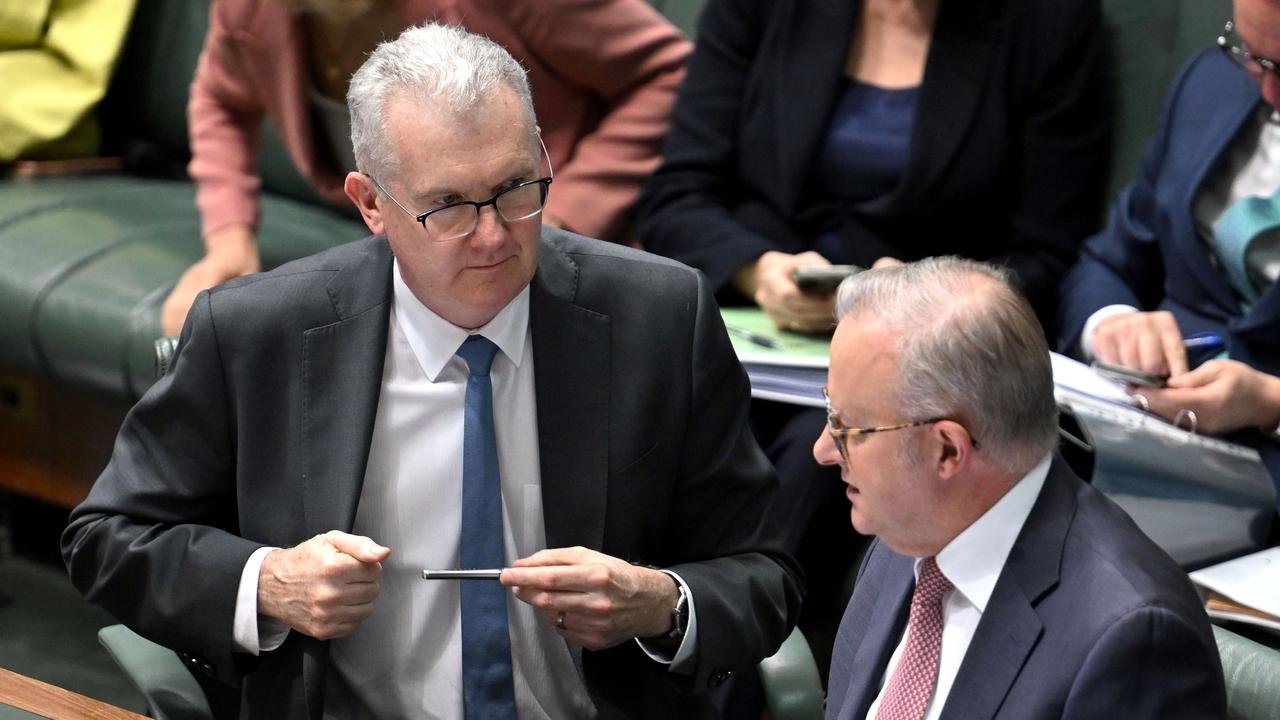
However, this order was later revoked, and she was granted a return permit last month. Home Affairs Minister Tony Burke said that the agencies under his portfolio know where Ms Abby is, but would not elaborate on the details.
Analysis: What This Means for Australia
The case of Hodan Abby raises serious concerns about national security and community safety in Australia.
Her alleged connections to extremist individuals and her enforcement of Sharia law in a detention camp in Syria suggest that she poses a significant risk to the Australian community.
The fact that she has been granted a return permit, despite these allegations, is particularly concerning.
Security analysts say that Ms Abby’s radicalisation is a symptom of a broader problem, with many women in detention camps becoming increasingly disenfranchised and radicalised.
They warn that the Australian government must take a proactive approach to addressing this issue, and to preventing the spread of extremist ideology in the community.
Law enforcement insiders also warn that Ms Abby’s return to Australia could pose a significant challenge for authorities. They say that she may attempt to radicalise others, or to engage in extremist activities, and that she must be closely monitored.
Ultimately, the case of Hodan Abby highlights the need for a comprehensive approach to addressing the issue of radicalisation in Australia.
This must include a combination of law enforcement, community engagement, and counter-narrative strategies, aimed at preventing the spread of extremist ideology and promoting social cohesion.