Queensland Fire Department Scraps Award-Winning Girls’ Firefighting Camp Amid Ongoing Struggle to Recruit Female Firefighters
- Award-winning program to promote firefighting careers to young girls has been scrapped after just one year despite its success.
- Women make up less than 5% of Queensland’s permanent firefighters, with only 2.1% of new recruits being female in 2025.
- Fire department sources express disappointment and frustration over the decision, citing the program’s potential to challenge the “macho hero” culture within the service.
- The move has sparked concerns about the department’s commitment to diversity and inclusion, particularly in the wake of allegations of sexism and discrimination.
The Queensland Fire Department’s decision to scrap its award-winning Girls Firefighter Experience Camp has left many stunned, particularly given the program’s success in promoting firefighting careers to young girls.
The camp, which ran for just one year, was hailed as “hugely successful” by senior leaders and won a Commissioner’s Award for Excellence in 2025. Despite this, the department has opted not to continue the program, citing a need to explore “further initiatives” to promote firefighting careers for women.
The camp was designed to encourage girls to explore firefighting activities, road crashes, swiftwater rescues, and physical fitness training.
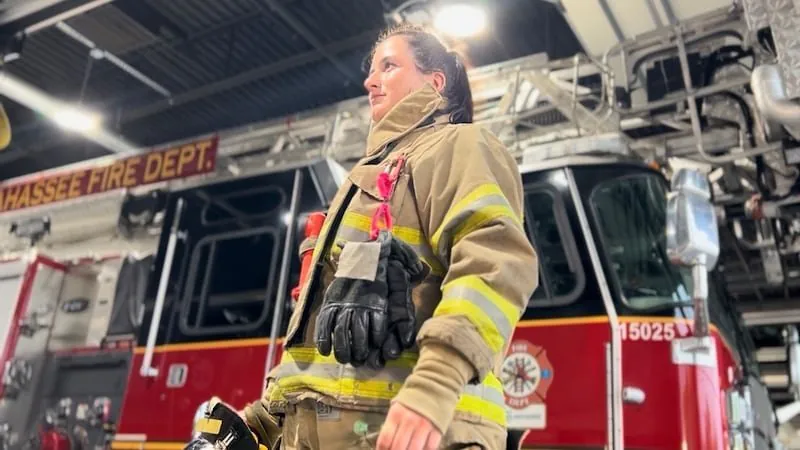
It was seen as a crucial step in addressing the low numbers of women in frontline firefighting roles, with women making up less than 3% of new recruits in 2025.
However, the department’s decision to scrap the program has raised questions about its commitment to diversity and inclusion.



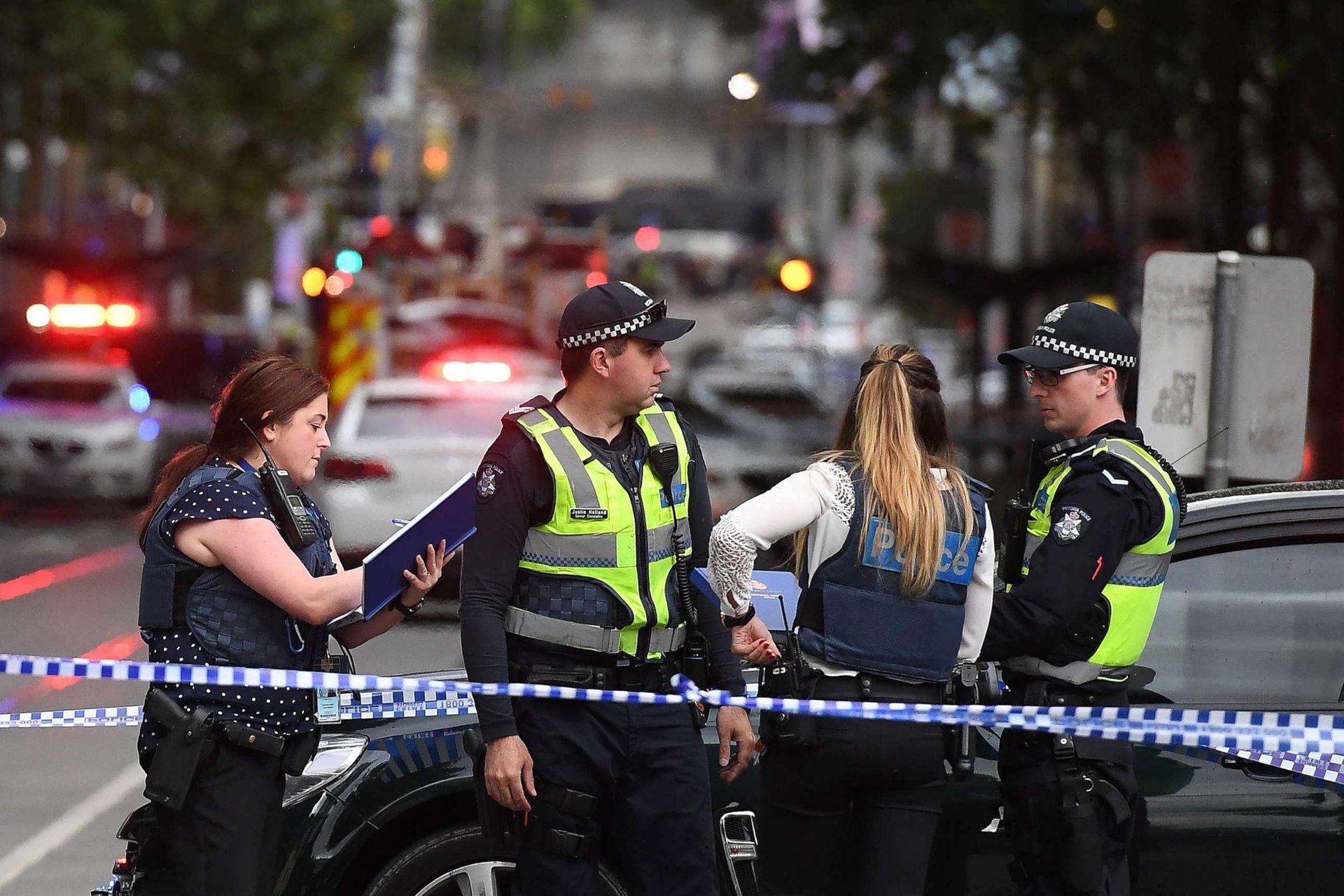
The Queensland Fire Department has long struggled with allegations of poor treatment of women, including sexism, discrimination, and a culture of fear.
An ABC investigation in 2024 spoke with over a dozen people in the department who shared their experiences of a “macho hero” culture that discourages women from joining the service.
The department’s own data shows that women make up just 5% of permanent firefighters, with only 4.7% of new recruits being female in 2026.
Fire department sources have expressed disappointment and frustration over the decision to scrap the camp, citing its potential to challenge the “macho hero” culture within the service.
“Boosting the diversity of frontline firefighters is important as the job isn’t just ‘putting out fires’ and ‘cutting people out of cars’,” one source said. “A core part of a firefighter’s function is community safety, and you need them to be representing the communities they’re talking to.”
Analysis: What This Means for Australia
The Queensland Fire Department’s decision to scrap the Girls Firefighter Experience Camp has significant implications for Australia’s emergency services.
The country’s fire departments are struggling to recruit and retain female firefighters, and the lack of diversity in these roles can have serious consequences for community safety.
As one firefighter noted, “Every female you see passes every physical and psychological standard that men do.” The decision to scrap the camp suggests that the department is not taking the issue of diversity and inclusion seriously, and this could have long-term consequences for the service.
Security analysts say that the lack of diversity in Australia’s emergency services is a national security issue. “The fire department’s failure to recruit and retain female firefighters is a missed opportunity to build a more diverse and inclusive service,” one analyst said.
“This can have serious consequences for community safety, particularly in areas with high concentrations of women and minority groups.”
Law enforcement insiders warn that the department’s decision to scrap the camp may also have implications for its ability to respond to emergency situations. “Firefighters are not just about putting out fires; they’re also about providing community safety and education,” one insider said.
“If the department is not representative of the communities it serves, it can’t effectively provide these services.”
Industry observers believe that the department’s decision to scrap the camp is a short-sighted move that fails to address the underlying issues of sexism and discrimination within the service.
“The department needs to take a more holistic approach to addressing diversity and inclusion,” one observer said. “This includes providing more support for female firefighters, challenging the ‘macho hero’ culture, and promoting a more inclusive work environment.”