
BYD’s $1.3 Million Blunder: Chinese Carmaker Offers Full Refunds to 1200 Aussie Customers Duped by ‘2026’ Vehicles Built in 2025
- Australia’s trust in BYD is put to the test as the Chinese carmaker admits to selling ‘2026’ vehicles that were actually built in 2025
- Over 1200 local customers affected, with nearly 900 contacted and 630 already accepting a $1100 compensation offer
- BYD now offering full refunds, a move that could cost the company up to $1.3 million, in a bid to regain customer trust
- The blunder raises questions about the carmaker’s quality control and administrative processes in Australia
In a shocking admission, Chinese carmaker BYD has confessed to selling over 1200 vehicles in Australia as 2026 models when, in fact, they were manufactured in 2025.
The error, which affects customers who purchased the Atto 3, Sealion 8, and Shark 6 dual-cab ute, has left many feeling duped and wondering about the carmaker’s quality control and administrative processes.
The issue came to light when a customer contacted a BYD dealer to cross-check the build date of their vehicle while trying to insure it.
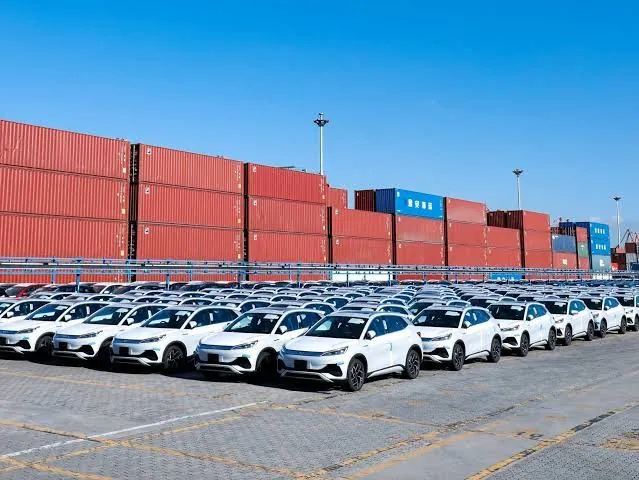
An investigation revealed that the incorrect data was manually entered into BYD’s systems, resulting in the error.
While the date of manufacture was correct in government systems, the carmaker’s CRM system showed the date the vehicle left the factory, rather than the actual date of manufacture.
The mistake could have significant consequences for affected customers, including a potential impact on resale value, insurance costs, and other expenses. In a bid to rectify the situation, BYD initially offered customers $1100 in compensation, but has since upped the ante by offering full refunds.
The move is expected to cost the company up to $1.3 million.
Analysis: What This Means for Australia
BYD’s blunder raises serious concerns about the carmaker’s commitment to transparency and honesty in the Australian market. As a relatively new player in the local automotive scene, the company’s handling of this issue will be closely watched by consumers and regulators alike.
The fact that BYD has chosen to offer full refunds, despite there being no operational issue with the vehicles, is a positive step towards regaining customer trust.
However, the incident also highlights the need for greater scrutiny of international carmakers operating in Australia.
With the country’s automotive market becoming increasingly globalized, it is essential that regulators and consumer watchdogs remain vigilant to ensure that companies are meeting the highest standards of quality control and transparency.
Security analysts say that the BYD incident serves as a wake-up call for the Australian automotive industry, highlighting the importance of robust quality control measures and transparent communication with customers.
“This incident demonstrates that even well-established companies can make mistakes, and it’s how they respond that matters,” said one industry expert.
BYD’s response to the issue has been swift and decisive, with the company acknowledging the error and taking steps to rectify it.
However, the incident will likely have long-term implications for the carmaker’s reputation in Australia, and it remains to be seen how the company will work to regain customer trust in the months and years to come.