
War Over Wheels: Sydney’s E-Bike Chaos Exposes Government’s Revenue Ruse, Critics Claim
- Fairfield Mayor Frank Carbone accuses NSW government of using e-bike parking scheme as future revenue raiser
- Shared e-bikes causing safety concerns and footpath clutter across Sydney, with 20,000 bikes and only 2,500 designated parking spaces planned
- Experts warn of impending parking chaos, with private operators urged to take responsibility for housing bikes on their own premises
- NSW government defends rollout of 2,500 designated parking zones, but critics claim it’s just the beginning of a revenue-making scheme
The streets of Sydney are abuzz with the hum of e-bikes, but the convenience of these eco-friendly vehicles has come at a cost. For many residents, the bikes are a menace, cluttering footpaths and blocking prams, wheelchairs, and pedestrians.
The NSW government’s solution? Designated parking zones – but critics claim it’s just a ruse to line the state’s coffers.
At the heart of the controversy is Fairfield Mayor Frank Carbone, who’s been vocal about the need for stricter regulations. “E-bikes have their place, but they’re only a small part of our transport network,” he said on Sunrise.
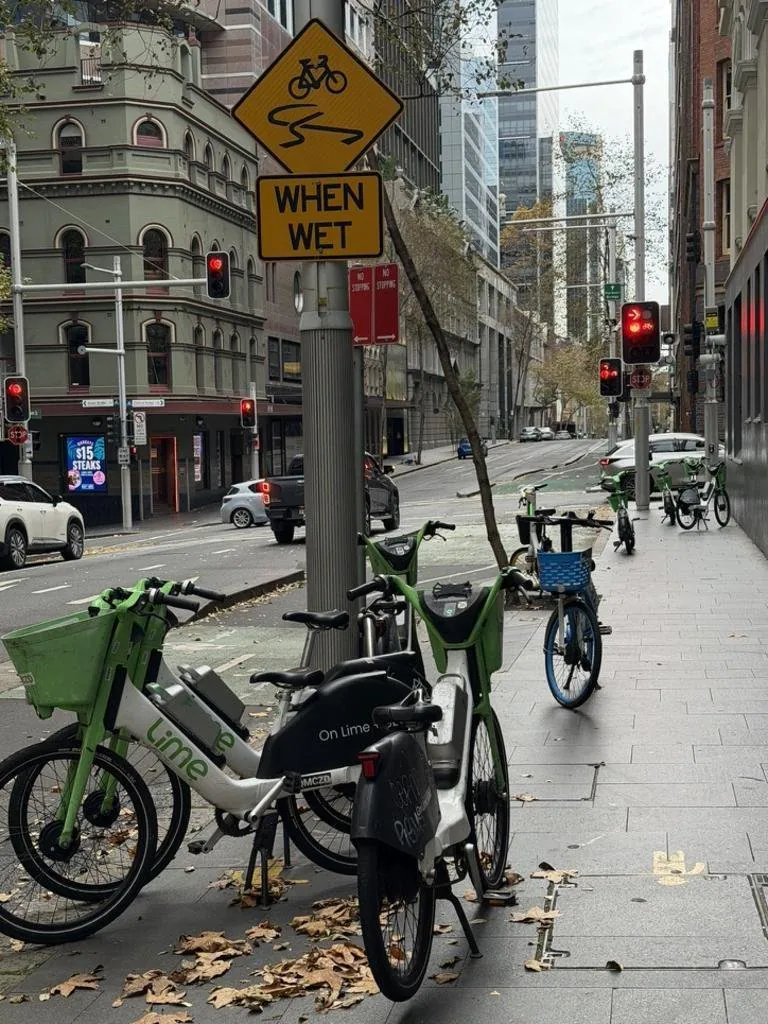
“The problems they’re causing are quite large.” Carbone’s concerns are shared by many, who see the proliferation of e-bikes as a safety risk, particularly for vulnerable road users.
But Carbone’s also wary of the government’s motives. He claims the 60-cent fee for using the designated parking zones will eventually increase, generating a tidy profit for the state.
“It’s not going to stay 60 cents forever,” he warned.
“They will use this as a way to generate more revenue.” For Carbone, the issue is about more than just parking – it’s about keeping public spaces safe and accessible for everyone.
As the NSW government rolls out 2,500 designated parking zones across the city, critics are questioning whether it’s enough to tackle the problem. With around 20,000 shared e-bikes on the streets, the math just doesn’t add up.
“Someone’s going to run out of parking,” Carbone predicted. Instead, he’s calling on private operators to take responsibility for housing their bikes on their own premises.
“Keep them off the footpaths, keep them safe,” he urged.
“You’re making money off it, you should also be making sure you don’t use community facilities that are there for pedestrians, those with disabilities, and those driving cars.”
Analysis: What This Means for AustraliaThe e-bike debate is more than just a local issue – it’s a national conversation about the future of transportation and public spaces.
As cities across Australia grapple with the rise of shared mobility services, the need for regulation and infrastructure is becoming increasingly clear. But the question remains: who should foot the bill?
The NSW government’s approach may seem like a solution, but critics argue it’s just a Band-Aid on a much deeper issue. Security analysts warn that the proliferation of e-bikes poses a significant risk to public safety, particularly in high-traffic areas.
“The lack of regulation and oversight is a recipe for disaster,” one expert said.
“We need to take a more proactive approach to managing these services, rather than just reacting to the problems they create.”
Law enforcement insiders also express concerns about the potential for e-bikes to be used for nefarious purposes.
“They can be a convenient getaway vehicle for criminals,” one source said.
“We need to make sure we have the right tools and strategies in place to mitigate that risk.”
Industry observers believe the e-bike debate is a symptom of a larger issue – the need for a comprehensive national strategy on transportation and urban planning.
“We need to think about how we’re going to manage the growth of our cities, and how we’re going to ensure that public spaces remain safe and accessible for everyone,” one expert said.
As the NSW government navigates the challenges of e-bike regulation, it’s clear that the issue is far from resolved. But one thing is certain: the future of transportation in Australia will be shaped by the decisions we make today.
The streets of Sydney are abuzz with the hum of e-bikes, but the convenience of these eco-friendly vehicles has come at a cost. For many residents, the bikes are a menace, cluttering footpaths and blocking prams, wheelchairs, and pedestrians. The NSW government’s solution? Designated parking zones – but critics claim it’s just a ruse to line the state’s coffers.
At the heart of the controversy is Fairfield Mayor Frank Carbone, who’s been vocal about the need for stricter regulations. “E-bikes have their place, but they’re only a small part of our transport network,” he said on Sunrise. “The problems they’re causing are quite large.” Carbone’s concerns are shared by many, who see the proliferation of e-bikes as a safety risk, particularly for vulnerable road users.
But Carbone’s also wary of the government’s motives. He claims the 60-cent fee for using the designated parking zones will eventually increase, generating a tidy profit for the state. “It’s not going to stay 60 cents forever,” he warned. “They will use this as a way to generate more revenue.” For Carbone, the issue is about more than just parking – it’s about keeping public spaces safe and accessible for everyone.
As the NSW government rolls out 2,500 designated parking zones across the city, critics are questioning whether it’s enough to tackle the problem. With around 20,000 shared e-bikes on the streets, the math just doesn’t add up. “Someone’s going to run out of parking,” Carbone predicted. Instead, he’s calling on private operators to take responsibility for housing their bikes on their own premises. “Keep them off the footpaths, keep them safe,” he urged. “You’re making money off it, you should also be making sure you don’t use community facilities that are there for pedestrians, those with disabilities, and those driving cars.”
The e-bike debate is more than just a local issue – it’s a national conversation about the future of transportation and public spaces. As cities across Australia grapple with the rise of shared mobility services, the need for regulation and infrastructure is becoming increasingly clear. But the question remains: who should foot the bill? The NSW government’s approach may seem like a solution, but critics argue it’s just a Band-Aid on a much deeper issue.
Security analysts warn that the proliferation of e-bikes poses a significant risk to public safety, particularly in high-traffic areas. “The lack of regulation and oversight is a recipe for disaster,” one expert said. “We need to take a more proactive approach to managing these services, rather than just reacting to the problems they create.”
Law enforcement insiders also express concerns about the potential for e-bikes to be used for nefarious purposes. “They can be a convenient getaway vehicle for criminals,” one source said. “We need to make sure we have the right tools and strategies in place to mitigate that risk.”
Industry observers believe the e-bike debate is a symptom of a larger issue – the need for a comprehensive national strategy on transportation and urban planning. “We need to think about how we’re going to manage the growth of our cities, and how we’re going to ensure that public spaces remain safe and accessible for everyone,” one expert said.
As the NSW government navigates the challenges of e-bike regulation, it’s clear that the issue is far from resolved. But one thing is certain: the future of transportation in Australia will be shaped by the decisions we make today.