
Tasmania’s Illicit Tobacco Epidemic: A $10 Million Problem Fueling Organised Crime and Violence
- Tasmanian authorities seize nearly $10 million worth of illicit tobacco and vapes in a single year, sparking urgent calls for federal action.
- Illicit tobacco trade linked to organised crime, with police warning of a “particularly profitable activity” that’s harming communities and funding violence.
- State government demands federal excise cut, citing a “massive increase” in organised crime and a “huge impact” on the cost of living for vulnerable Australians.
- Medical experts and convenience store owners divided on the solution, with some warning that cutting excise could increase smoking rates and others arguing it’s the only way to combat the black market.
Tasmania’s illicit tobacco epidemic has reached alarming levels, with authorities seizing nearly $10 million worth of contraband cigarettes and vapes in the last financial year alone.
The shocking figures have sparked urgent calls for federal action, with the state government demanding a cut to the tobacco excise tax, which they claim is fueling the black market and organised crime.
The Tasmanian health department revealed that 5.43 million cigarettes were seized in the last financial year, a staggering five times the amount from the previous year.
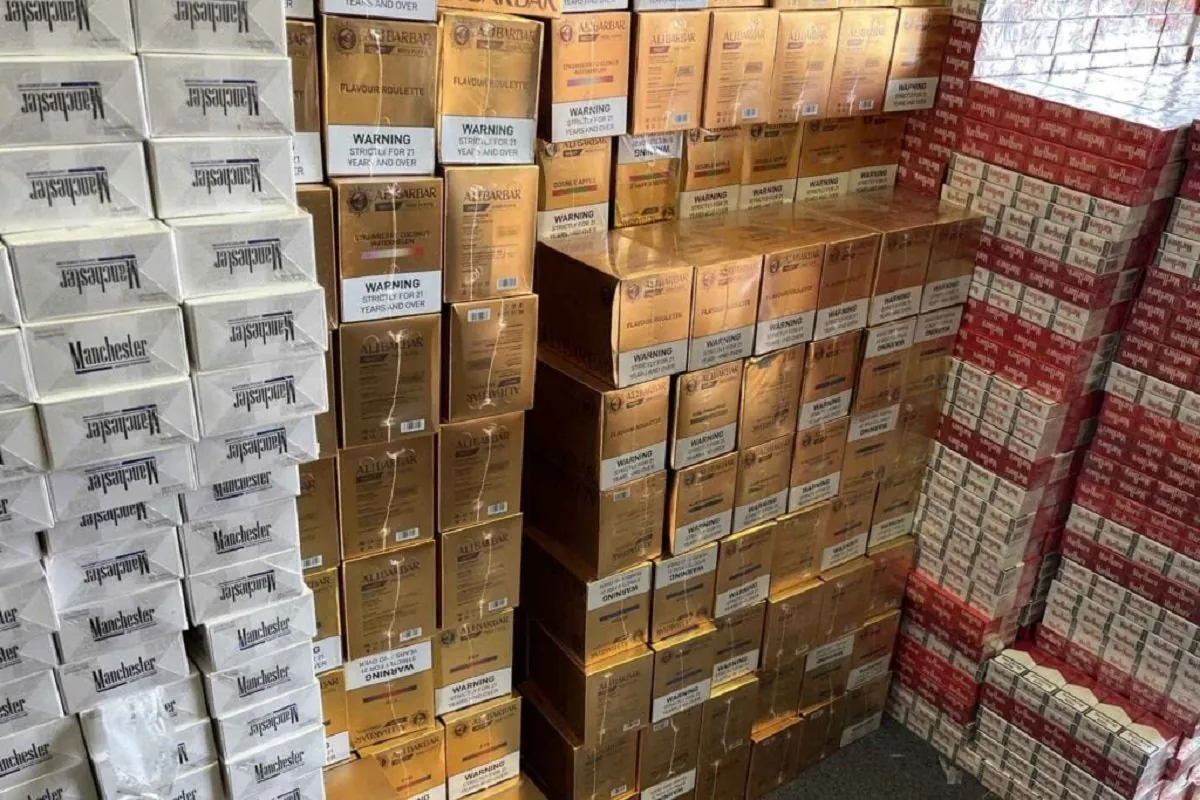
The number of vapes confiscated also skyrocketed, with 29,899 units taken off the streets – nearly three times higher than the year prior. The total value of the seized illicit tobacco and vapes is estimated to be around $10 million.
The state government has been working to combat the illicit tobacco trade, with the Department of Health and Tasmania Police formalising their enforcement work and information sharing last year.
Four new tobacco control officers were also hired to tackle the problem. However, authorities acknowledge that the issue is complex and multifaceted, with a clear connection between organised crime and the illicit tobacco trade.
Police Minister Felix Ellis warned that the current situation is “failing on every term”, with a “huge increase” in organised crime, a “massive decrease” in excise collected by the federal government, and a “decrease in smoking rates, all while we’re having a huge impact on the cost of living for those who can least afford it”.
Ellis urged the federal government to cut the tobacco excise tax, saying it’s the only way to disrupt the supply of illicit tobacco.
However, not everyone agrees that cutting the excise is the solution. Dr Meg Creely, branch president of the Australian Medical Association, believes that lowering the excise would trigger an increase in smoking rates.
“I think Tassie sits at a rate of about 15 per cent of adults currently smoking – we sat in the 30s [per cent range] in the 80s, so we’ve done really well,” she said.
Creely urged governments to continue with enforcement and education programs about the risks of smoking.
The Australian Association of Convenience Stores also weighed in on the issue, with Theo Foukkare arguing that the price difference between legal and illegal retailers is a major problem.
“While legal tobacco retailers are selling a packet of 20 cigarettes for $35 to $40, an illegal packet can be offered for as low as $15,” he said.
Foukkare believes that cutting the excise by 50 per cent would lower the legal price down to around $25, and shift some buyers back to licenced retailers.
Analysis: What This Means for Australia
The Tasmanian illicit tobacco epidemic has serious implications for national security, law enforcement, and public health.
The link between organised crime and the illicit tobacco trade is a major concern, with police warning of a “particularly profitable activity” that’s harming communities and funding violence.
The federal government must take decisive action to address the issue, including reviewing the tobacco excise tax and working with states to combat the black market.
Security analysts say that the illicit tobacco trade is a classic example of how organised crime can exploit vulnerabilities in the system.
“The fact that illicit tobacco is being sold at a fraction of the cost of legal tobacco is a clear indication that the black market is thriving,” said one expert.
“The federal government needs to take a more proactive approach to addressing the issue, including increasing funding for law enforcement and border control.”
Law enforcement insiders warn that the illicit tobacco trade is just the tip of the iceberg, with organised crime groups using the profits to fund other illicit activities.
“The illicit tobacco trade is a lucrative business, and organised crime groups are making a fortune from it,” said one source.
“The federal government needs to take a more comprehensive approach to addressing the issue, including increasing penalties for those caught selling illicit tobacco and providing more support for law enforcement agencies.”