
Deadly Tangle: Ningaloo Reef’s Whale Crisis Exposes Australia’s Lax Fishing Laws
- A humpback whale has died and several others are still trapped in fishing lines off Ningaloo Reef, sparking calls for urgent action to prevent more deaths.
- Five entanglements in five days have been reported, with one whale successfully freed and three others still unaccounted for.
- The whale’s carcass has closed popular beaches and attracted a swarm of sharks, posing a threat to tourists and locals alike.
- Experts warn that the crisis highlights the need for stricter regulations on commercial fishing gear and better enforcement of existing laws.
The usually pristine waters of Ningaloo Reef have turned into a deadly trap for humpback whales, with a recent spate of entanglements sparking widespread concern among experts and conservationists.
In the past week, five whales have been spotted struggling in fishing lines, with one tragic fatality and several others still unaccounted for. The crisis has raised questions about the effectiveness of Australia’s fishing laws and the need for more stringent regulations to prevent such incidents.
The latest victim, a 9-metre humpback whale, was spotted struggling in fishing lines near Osprey Bay, more than 1,300 kilometres north of Perth. Despite the best efforts of specialist rescuers, the whale’s injuries proved fatal, and its carcass has been dragged into the shallows of Ningaloo Reef.
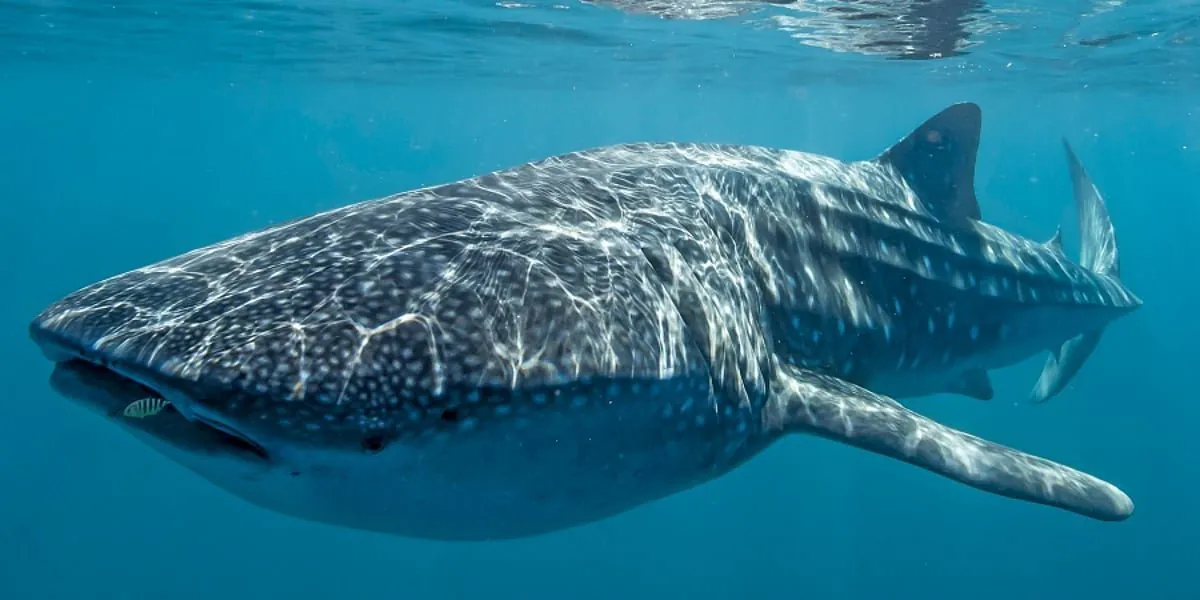
The area has been closed to the public, and a shark alert has been issued, posing a threat to tourists and locals alike. The whale’s death is a devastating blow to the local community, which relies heavily on tourism to support its economy.
The Ningaloo Reef is a critical habitat for humpback whales, which migrate through the area every winter in one of the world’s largest migrations.
The nearby Exmouth Gulf is particularly important for mother and calf pairings, providing a nursery and rest stop on their journey north from Antarctic feeding grounds to the breeding waters of the Kimberley.
However, the recent spike in entanglements has raised concerns about the impact of commercial fishing gear on these majestic creatures.
Experts warn that the crisis highlights the need for stricter regulations on commercial fishing gear and better enforcement of existing laws. “Five entanglement reports in five days is quite a lot,” said Sam Miles, DBCA Exmouth marine program coordinator.
“We all try and do the best job we possibly can to disentangle these animals, but it takes a lot of effort.” Local wildlife carer Brinkley Davies added, “We’re seeing a lot of rope consistent with commercial fishing gear like crab and cray pots, and there’s a lot of uncertainty as to where they’re coming from and why there’s more this year.”
Marine mammal ecologist Kate Sprogis believes that the whales are probably dragging the ropes for hundreds of kilometres from more heavily fished stretches of southern coastline.
“If anyone does see rope lying around, lying in the ocean, washed up on the beach, the best thing is to remove it,” she said. However, Sprogis also emphasized the need for more preventative action, including stricter regulations on commercial fishing gear and better enforcement of existing laws.
Analysis: What This Means for Australia
The Ningaloo Reef whale crisis has significant implications for Australia’s national security, law enforcement, and community safety. The incident highlights the need for more stringent regulations on commercial fishing gear and better enforcement of existing laws.
The crisis also raises questions about the effectiveness of Australia’s marine conservation efforts and the need for more investment in marine wildlife protection. Furthermore, the incident has economic implications for the local community, which relies heavily on tourism to support its economy.
Security analysts say that the crisis underscores the need for greater cooperation between government agencies, conservation groups, and the fishing industry to prevent such incidents.
Law enforcement insiders warn that the incident highlights the need for more resources to be allocated to marine conservation efforts, including better enforcement of existing laws and regulations.
Industry observers believe that the crisis will have a significant impact on the local tourism industry, which relies heavily on the Ningaloo Reef’s pristine waters and marine life.
As the Ningaloo Reef whale crisis continues to unfold, one thing is clear: urgent action is needed to prevent more deaths and ensure the long-term sustainability of Australia’s marine ecosystems.
The Australian government must take immediate action to address the crisis, including implementing stricter regulations on commercial fishing gear and increasing investment in marine wildlife protection.
Only then can we hope to prevent such tragedies from occurring in the future.