
Australian Businessman’s ‘Trump Account’ Bonanza: How a Brisbane Entrepreneur Clawed Back a Six-Figure Payout from the US Government
- A Brisbane businessman has secured a massive windfall from the Trump administration after his swimwear brand was hit with crippling tariffs.
- Tom Wilson’s company, Nashie, was forced to absorb a 160 per cent tariff on its products, but a US court ruling has led to a historic refund scheme.
- The payout is a rare victory for Australian businesses, which have been struggling with the fallout from the US-China trade war.
- Despite the refund, Wilson warns that the global economy is still fraught with danger, and Aussie businesses face a total effective tariff rate of up to 50 per cent.
A year ago, Brisbane businessman Tom Wilson found himself at the centre of a global trade war. His swimwear brand, Nashie, had just expanded into the US market, but the timing couldn’t have been worse.
Donald Trump’s ‘Liberation Day’ tariffs had just been announced, and Nashie’s products were slapped with a crippling 160 per cent duty.
Wilson had done everything by the book, setting up a formal US base with a warehouse in Utah to ship orders to customers in the States.
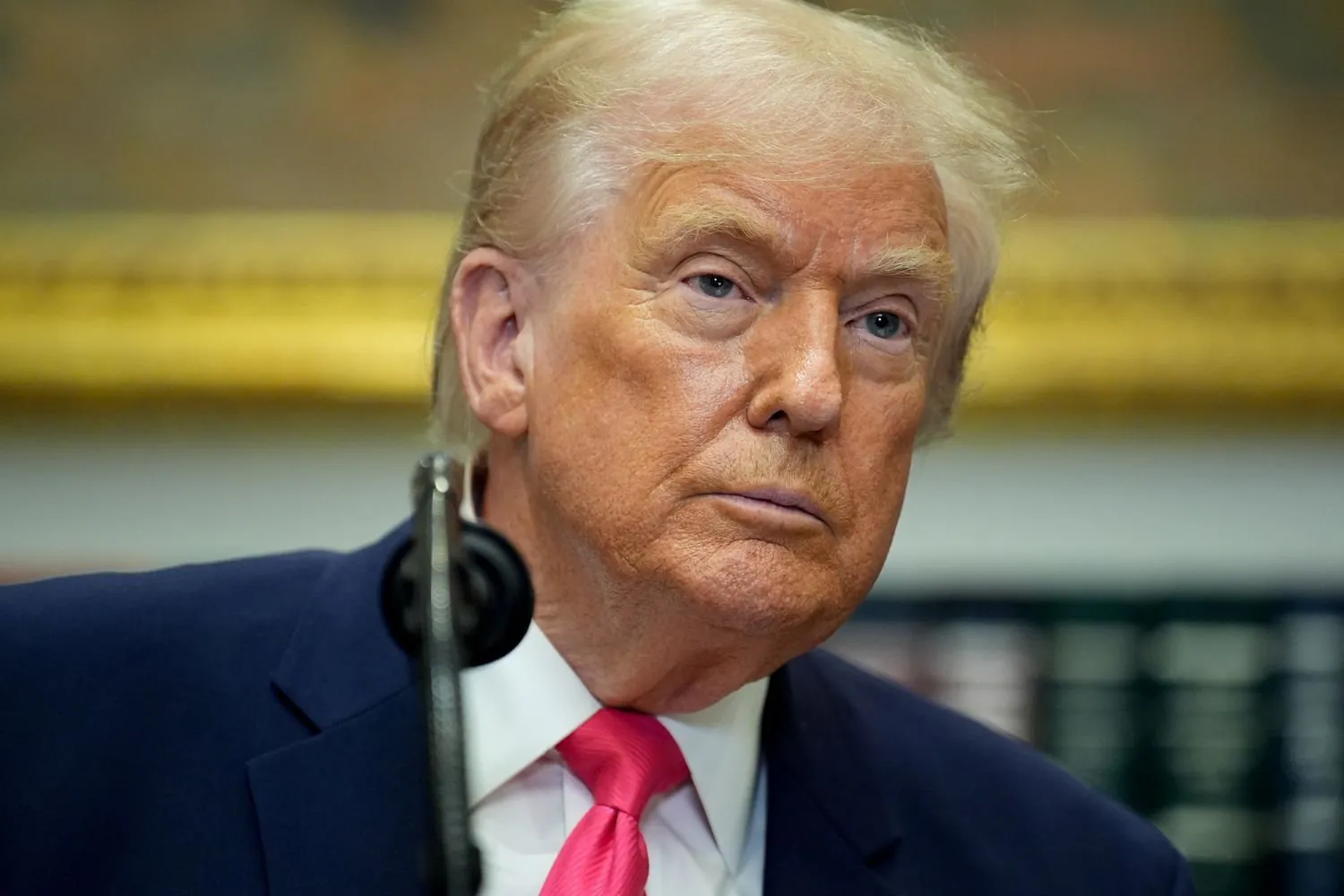
But the tariffs were a major headache, and he couldn’t simply pass on the cost to his customers. “You can’t just put your prices up 160 per cent – no one will buy it,” he said.
Fast forward to this year, and a US court ruling has led to a historic refund scheme for affected businesses worldwide. Nashie was one of the lucky ones, securing a six-figure payout from the US government.
The process was surprisingly simple, with US Customs brokers reaching out directly and the cash landing in Nashie’s bank account within two months – complete with interest.
Wilson joked that it was like he got his “very own Trump account” – a nod to the US President’s scheme to boost the savings of young Americans.
But despite the windfall, Wilson warned that it’s not all smooth sailing for Aussie businesses. The global economy is still fraught with danger, and the threat of increased tariffs has not gone away.
This week, the Albanese government proposed tougher modern slavery laws after the US threatened to slap tariffs on countries, including Australia, that fail to stop forced labour in their supply chains.
Under the proposal, companies turning over $100 million a year could face criminal charges if they fail to prevent modern slavery in their supply chains.
The move is seen as a sign of genuine momentum in the fight against modern slavery, but experts warn that there is still much work to be done.
International antislavery group Walk Free hailed the announcement as “a sign of genuine momentum, showing Australia is finally catching up with its global trading partners”.
Analysis: What This Means for Australia
The US-China trade war has had far-reaching consequences for Australian businesses, and the threat of increased tariffs is still very real.
The Albanese government’s proposal to strengthen modern slavery laws is a step in the right direction, but experts warn that it’s just the tip of the iceberg.
Security analysts say that the global economy is becoming increasingly complex, and Aussie businesses need to be aware of the risks. “The US-China trade war has created a perfect storm for Australian businesses,” said one analyst.
“They need to be vigilant and prepared for any eventuality.”
Law enforcement insiders warn that the threat of modern slavery is very real, and Aussie businesses need to take steps to protect themselves. “Modern slavery is a crime that can happen anywhere, and Aussie businesses need to be aware of the risks,” said one insider.
Industry observers believe that the Albanese government’s proposal is a step in the right direction, but more needs to be done to support Aussie businesses. “The government needs to provide more support for Aussie businesses, particularly small and medium-sized enterprises,” said one observer.
As the global economy continues to evolve, one thing is clear: Aussie businesses need to be prepared for anything. From tariffs to modern slavery, the risks are real, and businesses need to take steps to protect themselves.