Devastating Desecration: Private Company Digs Up Aboriginal Ancestors’ Graves Without Permission, Leaving Community ‘Heartbroken’
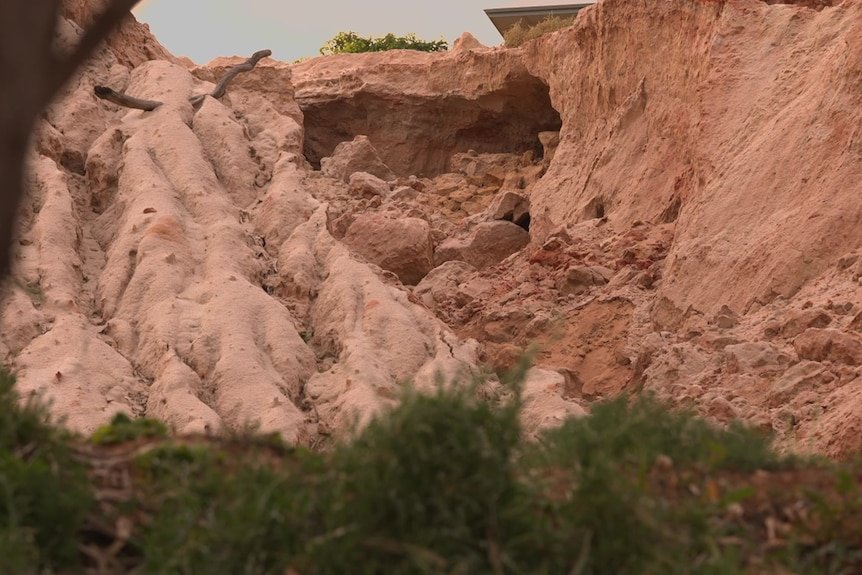
- Ancestral remains and artefacts were disturbed at a sacred cliff site along the River Murray, sparking outrage and calls for greater protection of Aboriginal heritage.
- The private company, Arisvi Holdings, excavated the site without approval in 2022, prompting a retrospective application that was initially rejected but later approved.
- The River Murray and Mallee Aboriginal Corporation (RMMAC) says it was not notified of the excavation until three years later, and is now seeking reassurance that the site will be protected.
- The incident has left the local community “heartbroken” and raised concerns about the lack of accountability and loopholes in the system.
The sun sets over the River Murray, casting a golden glow over the water, but for Aunty Sheryl Giles, the tranquility is shattered by the memory of the devastating desecration of her ancestors’ graves.
The Ngintait Nganguruku woman has spent countless hours on the riverbank, watching the sunset and connecting with her heritage, but a private company’s reckless excavation has left her feeling “heartbroken” and “let down” by the systems meant to protect her culture.
In March 2022, Arisvi Holdings, a private company, began excavating a cliff site without authorisation, disturbing ancestral remains and artefacts that told a story of Aboriginal occupation spanning thousands of years.
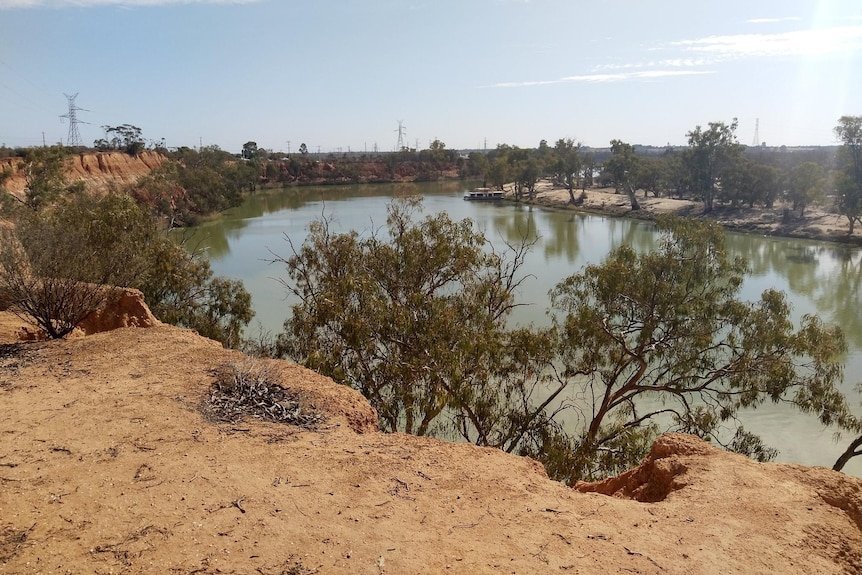
The site, located on Erawirung Country, is home to two dreaming stories and holds deep cultural significance for the local Aboriginal community. Despite the gravity of the situation, the company received a retrospective approval three years after the initial excavation, sparking outrage and calls for greater accountability.
The River Murray and Mallee Aboriginal Corporation (RMMAC) says it was not notified of the excavation until three years later, when an anonymous call alerted them to the disturbance.


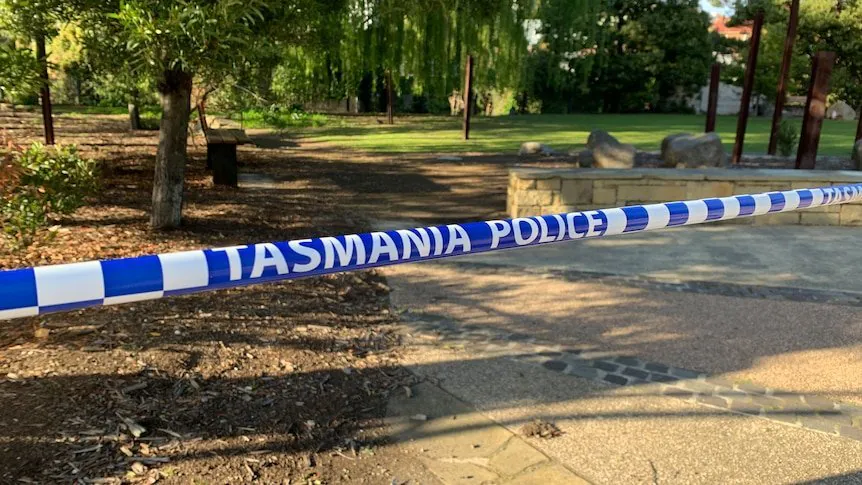

The corporation’s chief executive, Les Harris, immediately contacted the Aboriginal Affairs and Reconciliation (AAR) Department and other relevant authorities, but the damage had already been done.
The site, which borders native title and crown land, had been irreversibly changed, with ancestral remains scattered across the site and artefacts exposed in the soil.
Analysis: What This Means for Australia
This incident highlights the need for greater protection of Aboriginal heritage and the importance of consultation with local communities. The lack of accountability and loopholes in the system have left the local community feeling “heartbroken” and concerned about the future of their cultural sites.
As the country grapples with the legacy of colonialism and seeks to reconcile with its Indigenous past, incidents like this serve as a stark reminder of the work still to be done.
Security analysts say that the incident raises concerns about the effectiveness of current regulations and the need for stricter penalties for companies that breach them. “This incident shows that the current system is not doing enough to protect Aboriginal heritage,” said one analyst.
“We need to see tougher penalties for companies that disregard the law and disrespect the cultural significance of these sites.”
Law enforcement insiders warn that the lack of accountability in this case sends a worrying message to companies that they can act with impunity.
“If companies are not held accountable for their actions, it creates a culture of disregard for the law and the rights of Indigenous Australians,” said one insider.
Industry observers believe that this incident highlights the need for greater education and awareness about the importance of Aboriginal heritage and culture. “Non-Aboriginal people need to understand the significance of these sites and the impact that their actions can have on Indigenous communities,” said one observer.
“We need to see more education and awareness-raising about the importance of protecting Aboriginal heritage.”
The incident has also raised concerns about the economic and social consequences of such actions.
The local community has spent thousands of dollars seeking answers and fighting to protect their cultural sites, and the emotional toll of the incident should not be underestimated.
As one community member said, “We feel like we’ve been let down by the system, and it’s hard to see how we can trust it to protect our heritage in the future.”