Exclusive Poll: One Nation on Brink of Power as Australia Teeters on the Edge of a Hung Parliament
- Australia is staring down the barrel of a hung parliament with One Nation on track to win up to 66 seats, putting it within arm’s reach of forming government.
- The right-wing party’s popularity has surged, with a primary vote of 30 per cent, leaving Labor and the Coalition scrambling to maintain power.
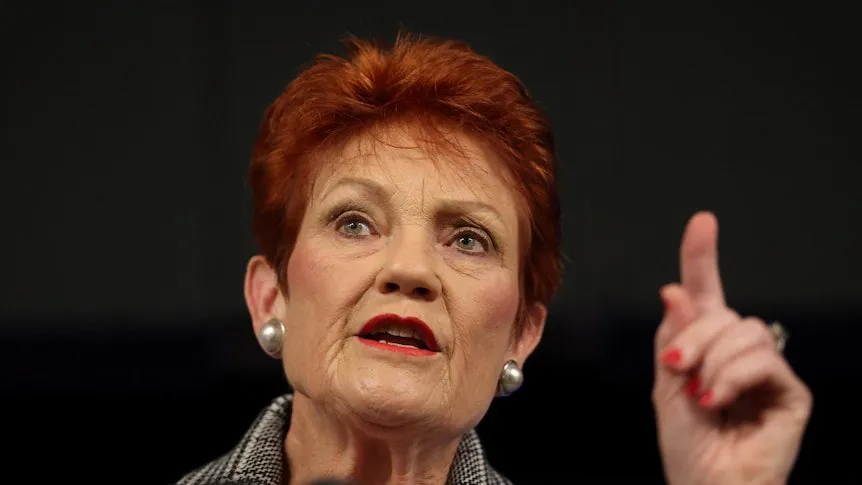
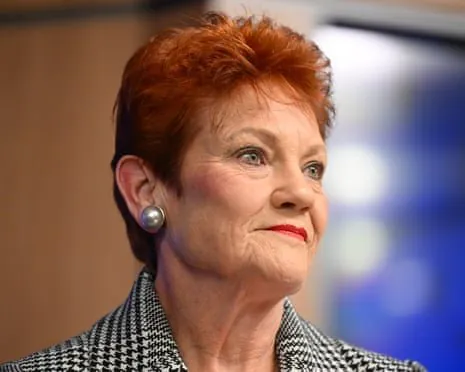
- One Nation’s leader, Pauline Hanson, is poised to become the kingmaker in a minority government, with the party leading in 39 of 41 regional/rural seats.
- Australia’s major parties are facing a crisis of confidence, with voters deserting Labor and the Coalition in droves, and flocking to One Nation’s anti-establishment message.
The latest polling data from DemosAU has sent shockwaves through the nation’s capital, with One Nation emerging as a dominant force in Australian politics. The party’s stunning rise has left Labor and the Coalition reeling, and raises serious questions about the future of the country’s two-party system.
According to the polling, One Nation’s primary vote has skyrocketed to 30 per cent, up 3 percentage points since February-March. Labor’s primary vote, on the other hand, has slumped to 26 per cent, down 3 points, while the Coalition remains stagnant on 21 per cent.
The Greens have managed to eke out a small gain, rising one point to 13 per cent. The DemosAU model, which projects results for all 150 federal seats, paints a grim picture for the major parties.
Labor is on track to win between 60-72 seats, while One Nation is poised to snare between 53-66 seats. The Coalition is facing a wipeout, with estimates suggesting it will win as few as 11 seats.
The Greens will likely pick up between 1-5 seats, with others winning 3-7. One Nation’s success is largely due to its dominance in regional and rural areas, where it leads on a primary vote of 41 per cent.




The party is also making significant inroads in outer metropolitan areas, particularly in Brisbane and Perth.
In fact, One Nation is now leading in 21 of the 64 outer metro seats, with Labor retaining a strong advantage in the 45 inner metro seats.
The implications of this polling are far-reaching and have significant consequences for Australia’s national security, law enforcement, and community safety.
One Nation’s rise to power raises concerns about the party’s ability to manage the country’s complex security landscape, particularly in the face of growing international tensions.
Analysis: What This Means for Australia
One Nation’s surge in popularity has serious implications for Australia’s national security.
The party’s anti-immigration and anti-globalization stance has resonated with many voters, but it also raises concerns about the country’s ability to engage with the international community and manage its relationships with key allies.
Security analysts say that a One Nation government would likely lead to a significant shift in Australia’s foreign policy, with a greater emphasis on nationalism and protectionism.
This could have far-reaching consequences for the country’s trade relationships and its ability to participate in international organizations.
Law enforcement insiders warn that One Nation’s tough-on-crime rhetoric could lead to a more aggressive policing approach, which could have unintended consequences for community safety.
The party’s stance on issues like immigration and multiculturalism could also lead to increased tensions within Australian communities. Industry observers believe that a One Nation government would have significant economic implications, particularly in terms of trade and investment.
The party’s protectionist policies could lead to a decline in foreign investment and a rise in unemployment.
As the nation teeters on the edge of a hung parliament, voters are left wondering what the future holds.
One thing is certain, however: the rise of One Nation has sent shockwaves through the Australian political landscape, and the country will never be the same again.
In a statement, DemosAU head of research George Hasanakos said, “The most significant finding of the MRP is that One Nation is now leading across many outer metro seats in Brisbane and Perth and also a few in outer Sydney and outer Melbourne.
It is in these seats which One Nation needs to win to have a chance of forming at least a minority government.”
The Coalition has already begun to feel the heat, with opposition leader Angus Taylor shutting the door on any potential deal with One Nation.
However, Liberal frontbencher Andrew Braggon has left the door open to a possible future three-way marriage with One Nation and the Nationals.
As the nation waits with bated breath for the outcome of the next election, one thing is clear: the rise of One Nation has changed the game, and Australia will never be the same again.
hung parliament
national security
law enforcement
Australian Bureau of Statistics
The latest polling data from DemosAU has sent shockwaves through the nation’s capital, with One Nation emerging as a dominant force in Australian politics. The party’s stunning rise has left Labor and the Coalition reeling, and raises serious questions about the future of the country’s two-party system.
According to the polling, One Nation’s primary vote has skyrocketed to 30 per cent, up 3 percentage points since February-March. Labor’s primary vote, on the other hand, has slumped to 26 per cent, down 3 points, while the Coalition remains stagnant on 21 per cent. The Greens have managed to eke out a small gain, rising one point to 13 per cent.
The DemosAU model, which projects results for all 150 federal seats, paints a grim picture for the major parties. Labor is on track to win between 60-72 seats, while One Nation is poised to snare between 53-66 seats. The Coalition is facing a wipeout, with estimates suggesting it will win as few as 11 seats. The Greens will likely pick up between 1-5 seats, with others winning 3-7.
One Nation’s success is largely due to its dominance in regional and rural areas, where it leads on a primary vote of 41 per cent. The party is also making significant inroads in outer metropolitan areas, particularly in Brisbane and Perth. In fact, One Nation is now leading in 21 of the 64 outer metro seats, with Labor retaining a strong advantage in the 45 inner metro seats.