
Sydney Commuters Face Chaos as M5 Tunnel Closure Brings City to a Standstill
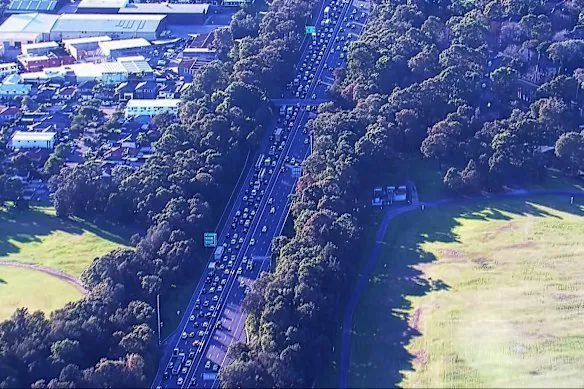
- Thousands of motorists were left stranded on the M5 motorway after a broken fan sparked a tunnel closure, causing bumper-to-bumper traffic chaos.
- The emergency shutdown, which occurred during peak morning hours, saw queues stretch back to Henry Lawson Drive in Milperra, Western Sydney.
- Toll road operator Transurban has apologised for the delays, citing a complex operation to safely remove the damaged fan as the cause of the closure.
- Commuters were forced to take lengthy detours, with traffic also heavy on alternative routes, leaving many to question the preparedness of the city’s infrastructure.
The usually bustling M5 motorway was brought to a grinding halt on Wednesday morning as a broken fan inside the tunnel sparked a total closure, leaving thousands of commuters stranded in their cars.
The tunnel, which connects Beverly Hills and Mascot, was shut down due to “emergency work”, causing a massive backlog of traffic that stretched back to Henry Lawson Drive in Milperra, Western Sydney.
Transurban, the toll road operator responsible for the M5, revealed that the issue was discovered during routine maintenance and involved one of the tunnel’s jet fans.
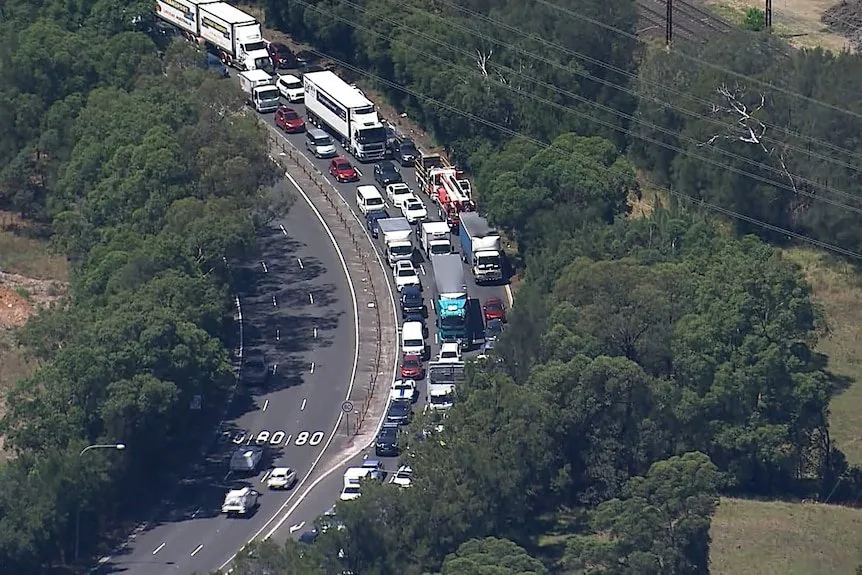
Specialist crews and equipment were deployed to conduct a complex operation to safely remove the fan, with the company assuring motorists that the safety and integrity of the tunnel would not be compromised.
But for many commuters, the explanation provided little consolation as they faced lengthy delays and detours to reach their destinations. NSW Traffic urged motorists to use alternative routes, including King Georges, Stoney Creek or Forest Roads, and Wickham, West Botany and Marsh Streets.
However, these roads also experienced heavy traffic, leaving many to wonder if the city’s infrastructure is equipped to handle such disruptions.
So, what led to this chaos? The incident highlights the importance of regular maintenance and the need for contingency plans to mitigate the impact of unexpected closures.
With the city’s population projected to continue growing, it raises questions about the preparedness of Sydney’s infrastructure to handle increased demand. As the city’s roads become increasingly congested, it’s clear that a more robust and resilient transport network is needed to prevent such disruptions.
Analysis: What This Means for Australia
The closure of the M5 tunnel has significant implications for Sydney’s commuters, businesses, and the broader economy. The city’s transport network is already under strain, and incidents like this only serve to exacerbate the problem.
As the population continues to grow, it’s essential that investment in infrastructure keeps pace to prevent such disruptions.
The incident also raises questions about the role of private operators, like Transurban, in managing critical infrastructure and their responsibility to ensure the smooth flow of traffic.
Transport experts say that incidents like this highlight the need for greater investment in public transport and alternative modes of transport, such as cycling and walking infrastructure.
“Sydney’s transport network is at a critical juncture,” said one expert. “We need to think about how we can create a more resilient and sustainable transport system that can handle the demands of a growing population.”
As the city gets back to normal, commuters will be hoping that measures are put in place to prevent such incidents in the future. With the tunnel now reopened, the focus turns to the long-term solutions needed to address Sydney’s transport woes.