
Australia’s Fuel Crisis: Albanese Government Unveils Plan for Nation’s First New Oil Refinery in Over 50 Years Amid Soaring Petrol Prices
- Australia’s fuel security is under threat, with the country holding just 42 days’ worth of petrol, 38 days’ worth of diesel, and 32 days’ worth of jet fuel stocks.
- The Albanese Government has committed $4 million to a pre-feasibility study for a new oil refinery in Western Australia, the nation’s first since the 1960s.
- The move comes as Australia grapples with record-high fuel prices, sparked by conflict in the Middle East and a decline in domestic refining capacity.
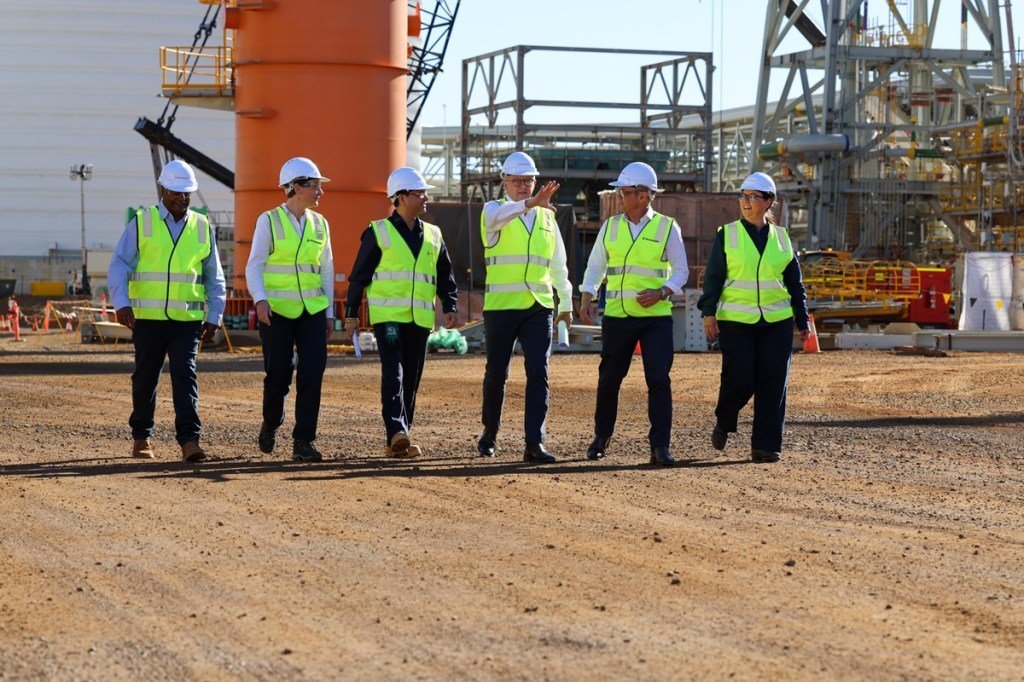
- The new refinery is expected to be developed by Australian industrial chemicals company Perdaman, with the government also investing $10 million in feasibility studies for new or expanded fuel refining capabilities.
As Australians continue to feel the pinch of soaring petrol prices, the Albanese Government has announced plans for the nation’s first new oil refinery in over 50 years.
The move is a bid to shore up the country’s fuel security, which has been under threat due to declining domestic refining capacity and ongoing conflict in the Middle East.
The new refinery, to be developed by Australian industrial chemicals company Perdaman, will be located in Western Australia, although the exact location and construction timeline are yet to be confirmed.
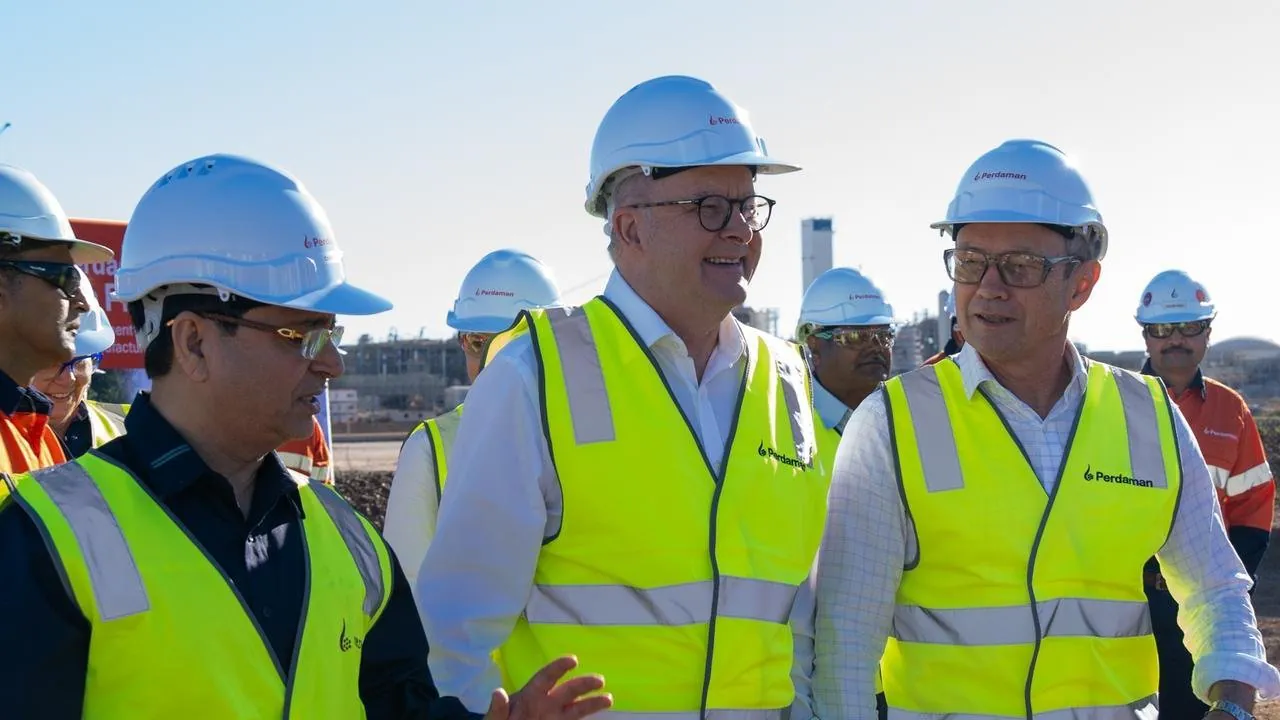
The government has committed $4 million to a pre-feasibility study for the project, with a further $10 million earmarked for feasibility studies into new or expanded fuel refining capabilities.
The announcement comes as Australia’s fuel stocks remain critically low.
According to the latest federal government data, the country has just 42 days’ worth of petrol, 38 days’ worth of diesel, and 32 days’ worth of jet fuel stocks.
This is well short of the International Energy Agency’s requirement for member countries to hold oil stocks equivalent to 90 days of the previous year’s net imports.
Australia’s fuel security has been in decline since the turn of the century, when the country had nine refineries that met domestic fuel demand. However, a series of refinery closures, including the shutdown of Port Stanvac in South Australia in 2003, has left the country reliant on imported fuel.
Today, just two refineries remain in operation – Ampol’s Lytton refinery near Brisbane and Viva Energy’s Geelong refinery in Victoria.
The Albanese Government’s plan to increase the Minimum Stockholding Obligation (MSO) by the equivalent of a further 10 days of fuel stocks is a step in the right direction, but experts warn that more needs to be done to address the country’s fuel security challenges.
“The government’s announcement is a positive move, but it’s just a Band-Aid solution,” said one industry insider. “We need to see a long-term commitment to increasing domestic refining capacity and reducing our reliance on imported fuel.”
Analysis: What This Means for Australia
The development of a new oil refinery in Western Australia is a significant step towards addressing Australia’s fuel security challenges.
However, the project’s success will depend on a range of factors, including the government’s ability to provide a stable policy framework and the willingness of investors to commit to the project.
Security analysts say that the new refinery will provide a much-needed boost to Australia’s fuel security, particularly in the event of a major disruption to global oil supplies.
“The development of a new refinery in Western Australia will provide a critical layer of protection for Australia’s fuel security,” said one security expert. “It will also provide a significant economic boost to the region, creating jobs and stimulating economic growth.”
Law enforcement insiders warn that the new refinery will also require significant investment in security measures to protect against potential threats.
“The refinery will be a high-value target for malicious actors, and the government will need to ensure that it is adequately protected,” said one law enforcement source.
Industry observers believe that the new refinery will also provide a significant opportunity for Australia to reduce its reliance on imported fuel and increase its energy independence.
“The development of a new refinery in Western Australia is a major step towards reducing our reliance on imported fuel and increasing our energy independence,” said one industry expert.
“It will also provide a significant boost to the local economy, creating jobs and stimulating economic growth.”
As the world grapples with the challenges of climate change, the development of a new oil refinery in Western Australia may seem like a step backwards.
However, experts say that the project is necessary to ensure Australia’s energy security and economic stability. “The development of a new refinery is not a contradiction to our climate change goals,” said one expert.
“It’s a necessary step to ensure our energy security and economic stability, while we transition to a low-carbon economy.”
With the world watching, the Albanese Government’s plan to develop a new oil refinery in Western Australia is a critical step towards addressing the country’s fuel security challenges.
But as the project moves forward, experts warn that it will require careful planning, coordination, and investment to ensure its success.