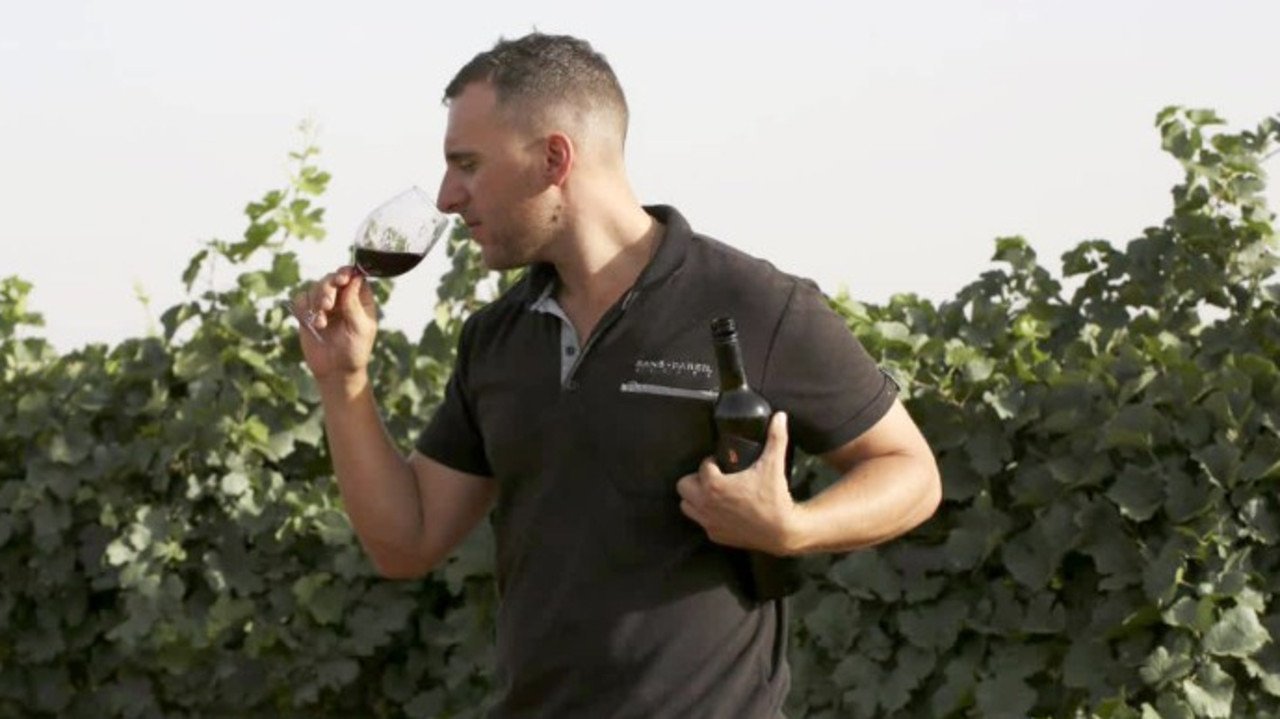
Winemaker’s Web of Deceit: How a Young Aussie’s Multimillion-Dollar Empire Crumbled Amid Allegations of Grand-Scale Fraud
- A young Australian winemaker’s lavish lifestyle and business empire have come crashing down amid allegations of grand-scale fraud, with the 31-year-old awaiting sentencing.
- The winemaker, Aaron Dennis Salvestrin, pleaded guilty to two charges of dishonestly intending to obtain a gain and one charge of using a forged document to induce a public official to accept it as genuine.
- The collapse of his business, Sans Pareil Estate, has left more than 30 local businesses unpaid and the Australian Tax Office (ATO) with debts of an estimated $32 million.
The story of Aaron Dennis Salvestrin, the 31-year-old winemaker who once flaunted a life of luxury and wealth, is one of a carefully constructed web of deceit and lies.
With a TAFE certificate in wine operations and a vision to transform his family’s citrus farm in rural NSW, Salvestrin became the owner of Sans Pareil Estate in 2018 at just 24 years old.
Within months, the company was booming, earning itself a seat at the table alongside legacy Griffith wine brands. But beneath the surface, a different story was unfolding.
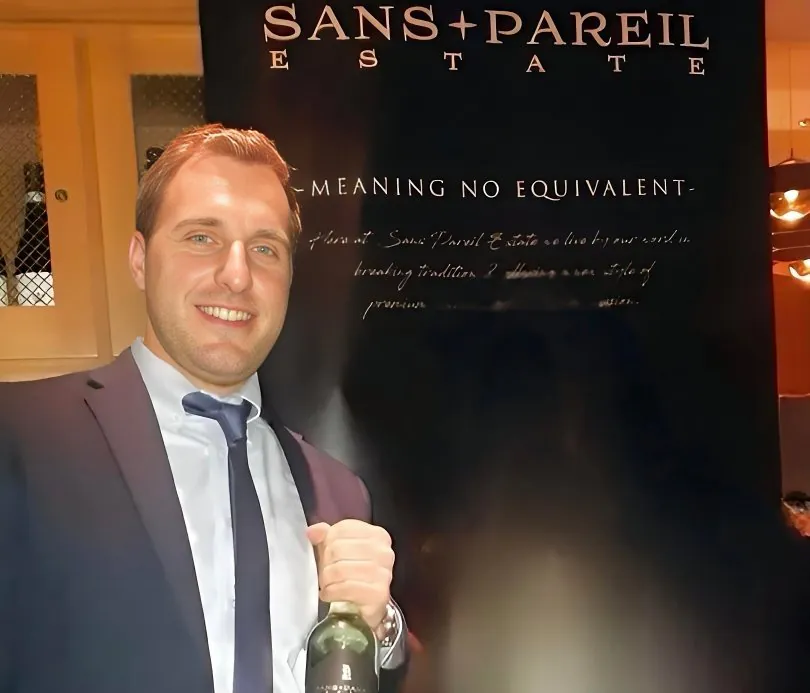
In 2022, Sans Pareil claimed to be exporting to 10 countries and producing over 5.4 million bottles of wine annually, despite operating out of a small shed.
The company’s sudden liquidation in October 2022 left locals and industry figures alike questioning how a business that had presented itself as a rapidly expanding global operation could unravel so quickly.



An investigation by Sydney-based insolvency firm Chifley Advisory revealed a shocking truth: the company’s purported main and major international export business did not exist, at least not to the level claimed by Salvestrin.
The investigation found that Salvestrin had deliberately created false financial transactions and documents to make it appear as if Sans Pareil Estate was making large export sales and purchases.
This was allegedly done with the intention of claiming a GST refund to which the company had no entitlement.
The ATO later alleged that Sans Pareil made “inflated and fictitious claims” for GST refunds relating to payments it never made between July 2020 and September 2022.
The allegedly false invoices were based on more than $200 million worth of wine sales that never took place.
The fallout from the collapse of Sans Pareil has been widespread, with more than 30 local businesses across the NSW Riverina region, Victoria, and South Australia left unpaid by the winery.
The former winemaker’s personal spending habits have also come under scrutiny, with allegations that he used the money for his personal gain, spending it on alcohol, entertainment, motor vehicles, travel, accommodation, and gifts.
Analysis: What This Means for AustraliaThe collapse of Sans Pareil Estate and the allegations of grand-scale fraud have serious implications for Australia’s wine industry and the broader business community.
The case highlights the importance of robust regulatory frameworks and the need for increased scrutiny of businesses operating in the industry.
As security analysts point out, the lack of transparency and accountability in the wine industry can make it an attractive target for those looking to engage in fraudulent activity.
The case also raises questions about the effectiveness of the ATO’s systems for detecting and preventing GST refund fraud.
Law enforcement insiders warn that the use of false invoices and fictitious claims is a common tactic used by those engaging in tax evasion and other forms of financial crime.
As the Australian wine industry continues to grow and expand, it is essential that businesses and regulatory bodies prioritize transparency and accountability to prevent similar cases of grand-scale fraud in the future.
The consequences of inaction could be severe, with the potential for widespread financial losses and damage to the industry’s reputation.
Industry observers believe that the case serves as a wake-up call for businesses to prioritize compliance and risk management, particularly in the areas of tax and financial reporting.
By taking a proactive approach to compliance, businesses can reduce their risk exposure and help to prevent similar cases of grand-scale fraud in the future.
The sentencing of Aaron Dennis Salvestrin will be closely watched by the business community, with many eager to see justice served.
As the young winemaker awaits his fate, the fallout from the collapse of Sans Pareil Estate continues to reverberate throughout the industry, serving as a stark reminder of the consequences of deceit and dishonesty in business.
The story of Aaron Dennis Salvestrin, the 31-year-old winemaker who once flaunted a life of luxury and wealth, is one of a carefully constructed web of deceit and lies. With a TAFE certificate in wine operations and a vision to transform his family’s citrus farm in rural NSW, Salvestrin became the owner of Sans Pareil Estate in 2018 at just 24 years old. Within months, the company was booming, earning itself a seat at the table alongside legacy Griffith wine brands. But beneath the surface, a different story was unfolding.
In 2022, Sans Pareil claimed to be exporting to 10 countries and producing over 5.4 million bottles of wine annually, despite operating out of a small shed. The company’s sudden liquidation in October 2022 left locals and industry figures alike questioning how a business that had presented itself as a rapidly expanding global operation could unravel so quickly. An investigation by Sydney-based insolvency firm Chifley Advisory revealed a shocking truth: the company’s purported main and major international export business did not exist, at least not to the level claimed by Salvestrin.
The investigation found that Salvestrin had deliberately created false financial transactions and documents to make it appear as if Sans Pareil Estate was making large export sales and purchases. This was allegedly done with the intention of claiming a GST refund to which the company had no entitlement. The ATO later alleged that Sans Pareil made “inflated and fictitious claims” for GST refunds relating to payments it never made between July 2020 and September 2022. The allegedly false invoices were based on more than $200 million worth of wine sales that never took place.
The fallout from the collapse of Sans Pareil has been widespread, with more than 30 local businesses across the NSW Riverina region, Victoria, and South Australia left unpaid by the winery. The former winemaker’s personal spending habits have also come under scrutiny, with allegations that he used the money for his personal gain, spending it on alcohol, entertainment, motor vehicles, travel, accommodation, and gifts.
The collapse of Sans Pareil Estate and the allegations of grand-scale fraud have serious implications for Australia’s wine industry and the broader business community. The case highlights the importance of robust regulatory frameworks and the need for increased scrutiny of businesses operating in the industry. As security analysts point out, the lack of transparency and accountability in the wine industry can make it an attractive target for those looking to engage in fraudulent activity.
The case also raises questions about the effectiveness of the ATO’s systems for detecting and preventing GST refund fraud. Law enforcement insiders warn that the use of false invoices and fictitious claims is a common tactic used by those engaging in tax evasion and other forms of financial crime.
As the Australian wine industry continues to grow and expand, it is essential that businesses and regulatory bodies prioritize transparency and accountability to prevent similar cases of grand-scale fraud in the future. The consequences of inaction could be severe, with the potential for widespread financial losses and damage to the industry’s reputation.
Industry observers believe that the case serves as a wake-up call for businesses to prioritize compliance and risk management, particularly in the areas of tax and financial reporting. By taking a proactive approach to compliance, businesses can reduce their risk exposure and help to prevent similar cases of grand-scale fraud in the future.
The sentencing of Aaron Dennis Salvestrin will be closely watched by the business community, with many eager to see justice served. As the young winemaker awaits his fate, the fallout from the collapse of Sans Pareil Estate continues to reverberate throughout the industry, serving as a stark reminder of the consequences of deceit and dishonesty in business.