Venezuela on the Brink: How the US is Pulling the Strings in a Country Teetering on the Edge of Chaos
- The US has taken control of Venezuela’s finances, with billions of dollars in oil revenue being siphoned into American bank accounts
- Experts warn that the country is being run like a “protectorate” with the US exerting significant influence over the government
- Despite promises of aid, Venezuela’s economy continues to deteriorate, with the country struggling to recover from devastating twin earthquakes
- As the humanitarian crisis deepens, aid groups warn that sustained support will be needed for months and years to come
Venezuela, a country already on the brink of collapse, is now facing a new and unprecedented challenge.
The US, under the leadership of President Donald Trump, has taken control of the country’s finances, with billions of dollars in oil revenue being siphoned into American bank accounts.
This move has sparked warnings from experts that Venezuela is being run like a “protectorate”, with the US exerting significant influence over the government.
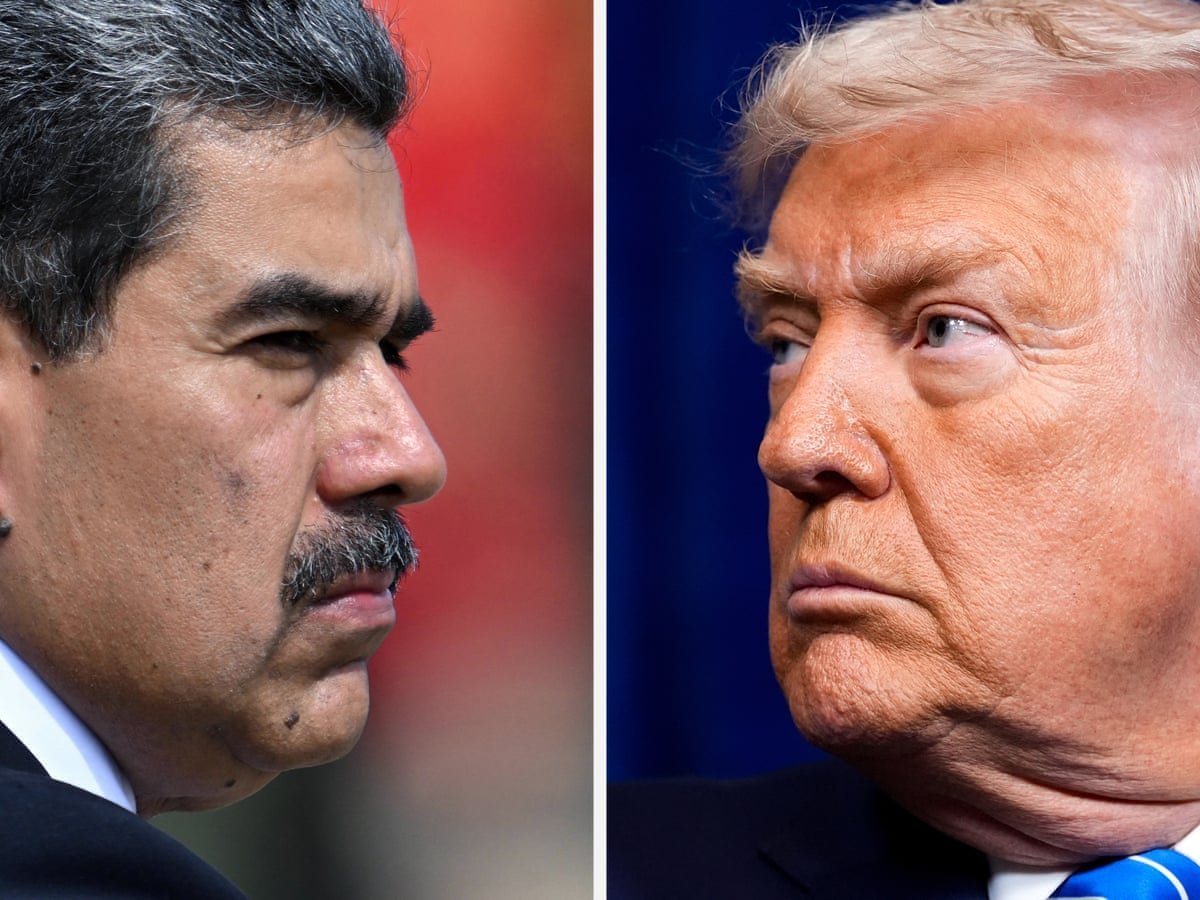
The situation has its roots in the US military’s capture of former leader Nicolás Maduro in January. Since then, major decisions about the country’s future have been heavily influenced or made from Washington DC.
The US has installed a new leader, Delcy Rodríguez, who is widely seen as a puppet of the US government.
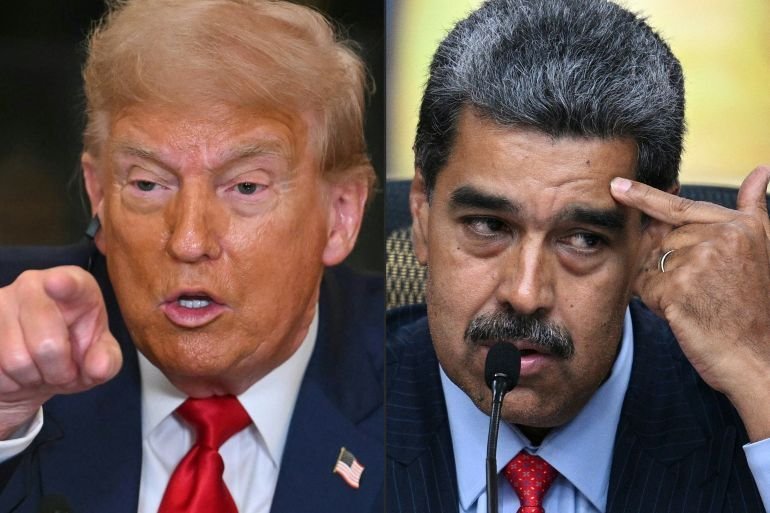
Mr Trump has made it clear that if she does not sufficiently bow to US pressure, she could face the same fate as her former leader.
But the US president is not believed to be the man pulling the strings. Rather, it is his secretary of state, Marco Rubio, who is giving the orders.
Mr Rubio has direct control over the country’s export revenue and sets out the conditions on how its public funds can be spent. This gives him leverage over Ms Rodríguez, who is dependent on those funds to pay officials and keep the country running.
Analysis: What This Means for Australia
The situation in Venezuela has significant implications for Australia, particularly when it comes to national security.
The fact that the US is exerting such significant influence over a foreign government raises concerns about the potential for similar interventions in the Asia-Pacific region.
Furthermore, the use of economic leverage as a tool of foreign policy is a worrying trend that could have far-reaching consequences for global stability.
Law enforcement insiders warn that the situation in Venezuela could also have implications for Australia’s own economic security.
The fact that the US is siphoning off billions of dollars in oil revenue raises concerns about the potential for similar economic exploitation in other countries.
This could have significant consequences for Australia’s own economy, particularly if other countries begin to question the legitimacy of US actions.
Security analysts say that the situation in Venezuela is a classic example of the “resource curse”, where a country’s natural resources are used as a tool of control by foreign powers.
This can have devastating consequences for the country’s economy and its people. In the case of Venezuela, the country’s oil reserves are being used to prop up the US economy, while the Venezuelan people suffer.
Expert Commentary
“The situation in Venezuela is a clear example of the US exerting its influence over a foreign government,” says Dr John Lee, a senior lecturer in international relations at the University of Sydney.
“The use of economic leverage as a tool of foreign policy is a worrying trend that could have far-reaching consequences for global stability.”
“The fact that the US is siphoning off billions of dollars in oil revenue raises concerns about the potential for similar economic exploitation in other countries,” says Dr Lee.
“This could have significant consequences for Australia’s own economy, particularly if other countries begin to question the legitimacy of US actions.”
As the humanitarian crisis in Venezuela deepens, aid groups are warning that sustained support will be needed for months and years to come.
The World Bank estimates that the earthquakes caused more than $US19.6 billion ($28 billion) in direct physical damage, and the overall reconstruction bill could be more than double that figure.
“Going from the very immediate phase, we need to raise awareness around the prolonged recovery phase and what that means for families, for children who have lost their parents, what it means for those who have lost their entire homes and livelihoods as well as their jobs,” says Carolina Nelson from Project HOPE, a humanitarian relief organisation working in Venezuela.
As the situation in Venezuela continues to deteriorate, one thing is clear: the country is in desperate need of sustained support and investment. But with the US exerting such significant influence over the government, it remains to be seen whether this support will be forthcoming.