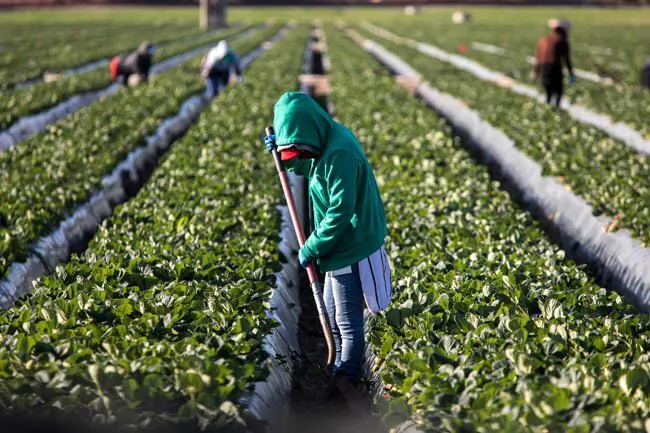
EXPOSED: The Dark Underbelly of Australia’s Fresh Produce Industry – Workers Trapped in a Cycle of Exploitation
- Thousands of migrant workers are being exploited in Australia’s horticulture industry, forced to work long hours for minimal pay and live in squalid conditions.
- Workers are being recruited by labour hire contractors who control every aspect of their lives, including their wages, accommodation, and work assignments.
- The industry’s reliance on temporary migrant labour has created a power imbalance, leaving workers vulnerable to exploitation and with little recourse to complain.
- The exploitation of migrant workers in the industry has been linked to modern slavery, human trafficking, and forced labour.
Gershom Isaac’s story is one of desperation and exploitation.
A migrant worker from Papua New Guinea, he came to Australia seeking a better life, but instead found himself trapped in a cycle of poverty and despair.
For up to 12 hours a day, he climbs ladders to pick fruit or bends over to pull onions and pumpkins, earning less than $7 an hour.
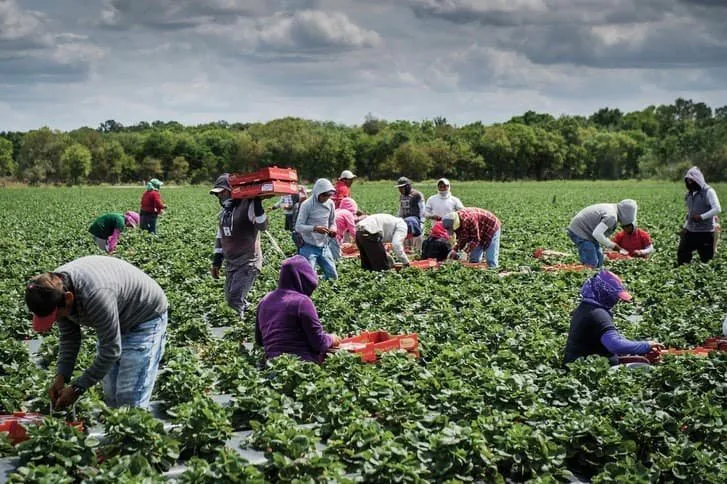
At night, he returns to overcrowded and squalid accommodation, feeling exhausted and hopeless.
Gershom’s experience is not unique. Across Australia’s horticulture industry, workers are describing strikingly similar experiences of low pay, poor working conditions, and a lack of control over their lives.




Labour hire contractors are recruiting workers from Pacific Island nations, including Papua New Guinea, and exploiting them for cheap labour. The contractors control every aspect of the workers’ lives, from their wages and accommodation to their work assignments and living arrangements.
The industry’s reliance on temporary migrant labour has created a power imbalance, leaving workers vulnerable to exploitation and with little recourse to complain. Many workers are afraid to speak out, fearing repercussions from their employers or deportation from the country.
Those who do speak out often face intimidation and retaliation.
The exploitation of migrant workers in the industry has been linked to modern slavery, human trafficking, and forced labour.
The Australian government has been criticized for its lack of action on the issue, with some arguing that the country’s modern slavery laws are inadequate and poorly enforced.
The government has promised reforms, but critics say they do not go far enough to address the root causes of exploitation.
Analysis: What This Means for Australia
The exploitation of migrant workers in Australia’s horticulture industry has serious implications for the country’s reputation and economy. The industry is worth billions of dollars, but the cost of cheap labour is being borne by the workers themselves.
The exploitation of migrant workers also raises concerns about modern slavery, human trafficking, and forced labour, which are all serious crimes that require a strong response from law enforcement and government.
Security analysts say that the exploitation of migrant workers in the industry is a national security issue, as it creates an environment in which organized crime can thrive.
The lack of regulation and oversight in the industry allows labour hire contractors to operate with impunity, recruiting and exploiting workers with little fear of consequences.
Law enforcement insiders warn that the exploitation of migrant workers in the industry is a ticking time bomb, waiting to explode into a major scandal.
The lack of action from government and industry has created an environment in which exploitation can flourish, and it is only a matter of time before the issue becomes a major crisis.
Industry observers believe that the exploitation of migrant workers in the industry is a symptom of a larger problem – the lack of regulation and oversight in the industry.
The industry’s reliance on temporary migrant labour has created a power imbalance, leaving workers vulnerable to exploitation and with little recourse to complain.
The lack of transparency and accountability in the industry allows labour hire contractors to operate with impunity, recruiting and exploiting workers with little fear of consequences.
The exploitation of migrant workers in Australia’s horticulture industry is a complex issue that requires a comprehensive response from government and industry. The government must take strong action to regulate the industry and protect the rights of workers.
This includes introducing stronger laws and regulations to prevent exploitation, increasing transparency and accountability in the industry, and providing greater support and protection to workers who are being exploited.
Industry must also take responsibility for its actions, acknowledging the exploitation of migrant workers and taking concrete steps to address the issue.
This includes implementing stronger safeguards to prevent exploitation, increasing transparency and accountability in the industry, and providing greater support and protection to workers who are being exploited.
Ultimately, the exploitation of migrant workers in Australia’s horticulture industry is a human rights issue. It is a matter of basic dignity and respect for the workers who are being exploited.
The government and industry must take strong action to address the issue, ensuring that workers are treated with the dignity and respect they deserve.