Shocking Death in the Octagon: UFC Flyweight Fighter Allan Nascimento Dies Aged 34 After Suspected Heart Attack in His Sleep
- Beloved UFC fighter Allan Nascimento found unresponsive at home after suspected heart attack
- Medical team unable to save the 34-year-old Brazilian grappler, known as Puro Osso
- Nascimento’s death sends shockwaves through the mixed martial arts community, with tributes pouring in from fellow fighters
- The UFC has paid tribute to the flyweight fighter, who compiled a 4-2 record inside the Octagon
Tragedy has struck the world of mixed martial arts with the sudden and devastating death of UFC flyweight fighter Allan Nascimento.
The 34-year-old Brazilian grappler, known by the nickname Puro Osso, was found unresponsive at his home on Monday morning after suffering a suspected heart attack in his sleep.
Despite the efforts of the responding medical team, Nascimento was pronounced deceased at the scene, leaving the MMA community reeling in shock.
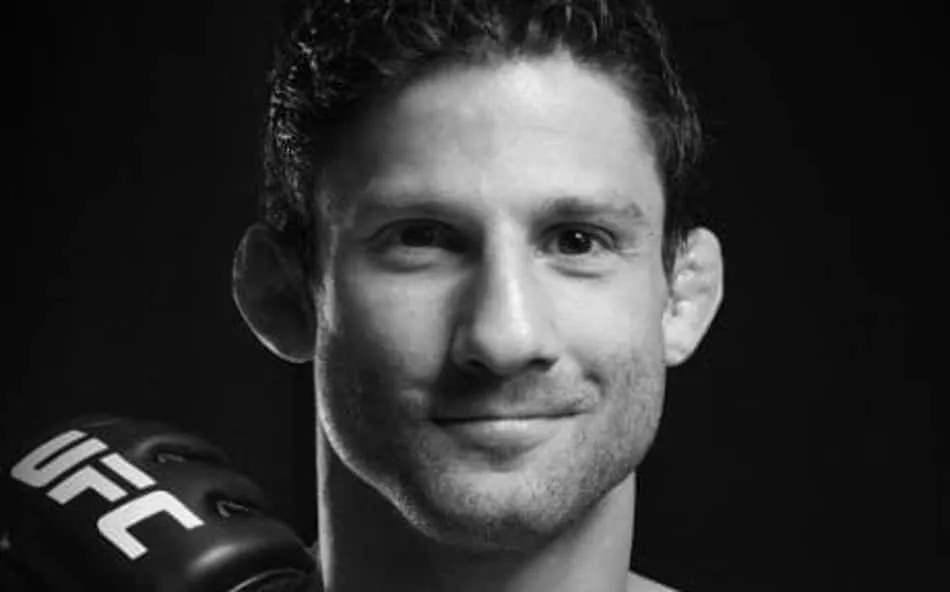
Nascimento’s rise to prominence in the UFC was marked by his exceptional grappling skills, which earned him two Performance of the Night bonuses during his tenure.
With a professional record of 22-7, he had established himself as one of the flyweight division’s most skilled fighters. His last bout was on June 20, when he lost a split decision to Mitch Raposo in Las Vegas.


However, it was his victories over notable fighters like Cody Durden, Carlos Hernandez, Jafel Filho, and Jake Hadley that showcased his impressive skills in the Octagon.
As news of Nascimento’s death spread, the MMA community came together to pay tribute to the beloved fighter.
Charles Oliveira, the former UFC lightweight champion, trained alongside Nascimento and remembered him as a “brother” who was always there to share the grind and offer words of encouragement.
“Today I lost a brother I gained through the fight game,” Oliveira said. “Thanks for always being there, for sharing the mats and the grind, and for your words.
I’m so grateful to have had you by my side, brother, through training, the tough times, and the good times hanging out. Love you, man, you’re a legend.”
Nascimento’s death has also sparked an outpouring of tributes from other notable fighters, including Dustin Poirier, Henry Cejudo, and Mackenzie Dern. The UFC has also paid its respects to the fallen fighter, describing him as a “beloved flyweight fighter” who will be deeply missed.
As the MMA community comes to terms with this sudden loss, one thing is clear: Allan Nascimento’s legacy will live on through the countless lives he touched and the memories he created inside the Octagon.
Analysis: What This Means for Australia
The sudden death of Allan Nascimento serves as a sobering reminder of the risks involved in professional mixed martial arts. While Nascimento’s passing is a tragedy, it also highlights the importance of prioritizing fighter safety and well-being.
As the UFC continues to grow in popularity, it is crucial that the organization takes proactive steps to ensure the health and safety of its fighters.
This may involve implementing more stringent medical protocols, providing access to top-notch training facilities, and offering support services for fighters struggling with the physical and mental demands of the sport.
Security analysts say that Nascimento’s death may also have implications for the way that fighters are monitored and supported outside of competition. “It’s not just about what happens in the Octagon,” said one analyst.
“It’s about the cumulative effect of repeated blows to the head, the stress of competition, and the pressure to perform. We need to be looking at the bigger picture and taking a more holistic approach to fighter safety and well-being.”
As the MMA community mourns the loss of Allan Nascimento, it is clear that his death will have far-reaching consequences for the sport.
While his legacy will live on through his accomplishments in the Octagon, it is also a reminder of the importance of prioritizing fighter safety and well-being.
As the UFC continues to evolve and grow, it is crucial that the organization takes proactive steps to ensure that its fighters are protected and supported every step of the way.