Australia’s Diesel Debacle: Taxpayers Slugged $30,000 to $90,000 a Day as Fuel Tankers Languish Offshore
- Dozens of fuel tankers are stranded off Australia’s coastline, unable to unload their cargo due to a critical shortage of storage facilities.
- The backlog is costing taxpayers a staggering $30,000 to $90,000 every day, with experts warning it could drive fuel prices even higher.
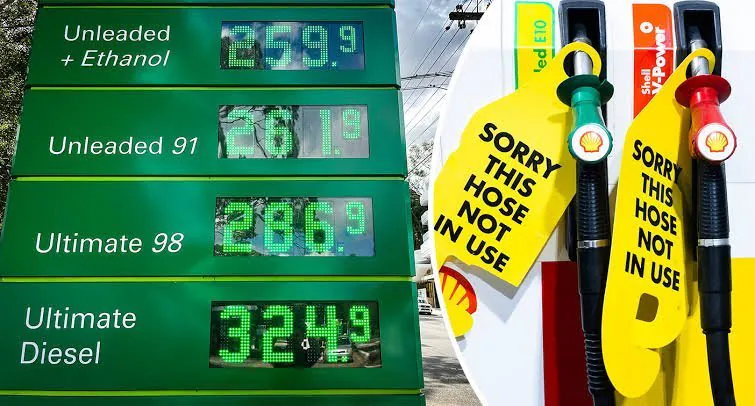
- Australia’s reliance on imported fuel has left the country vulnerable to global supply chain disruptions, with motorists already feeling the pinch at the pump.
- The crisis has been exacerbated by a government move to subsidise additional fuel imports, which has resulted in a 10 per cent surge in fuel imports during April, May, and June.
The Australian government’s well-intentioned effort to shore up the country’s fuel security has backfired spectacularly, leaving millions of dollars of taxpayer-funded fuel stranded offshore.
The move to subsidise additional fuel imports was designed to mitigate the impact of the conflict in Iran on global shipping, but it has ultimately created a new problem – a critical shortage of storage facilities to accommodate the increased supply.
The result is a fleet of fuel tankers anchored off Australia’s coastline, unable to unload their cargo. The waiting costs are mounting, with estimates suggesting that taxpayers are being slugged between $30,000 and $90,000 every day.
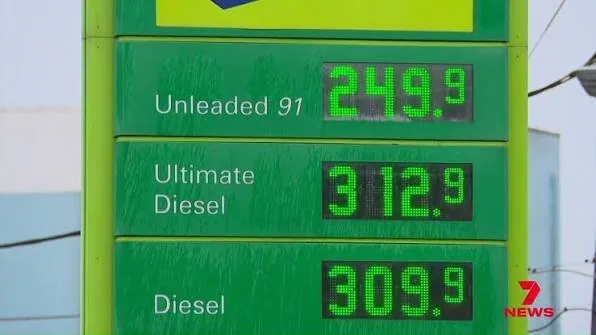
Energy finance analyst Kevin Morrison warned that these costs will not be absorbed by fuel companies, but will instead be passed on to consumers.
Australia’s reliance on imported fuel has left the country vulnerable to global supply chain disruptions. The country imports about 90 per cent of its liquid fuel needs, including around 85 per cent of its diesel.




This has created a perfect storm of high fuel prices, with diesel making up 52 per cent of Australia’s daily fuel consumption.
The end of the fuel excise cut earlier this week has only added to the pressure, with Morrison warning that diesel prices could soon climb to around $2.50 a litre.
The irony of the situation is not lost on motorists, who are already grappling with rising fuel prices. The government’s intervention was designed to protect Australia’s fuel security, but it has ultimately created a new problem.
The question now is how to resolve the crisis and prevent it from happening again in the future.
Analysis: What This Means for Australia
The diesel surplus is a wake-up call for Australia’s energy sector.
The country’s reliance on imported fuel has left it vulnerable to global supply chain disruptions, and the lack of storage facilities has created a critical bottleneck.
The government’s intervention was well-intentioned, but it has ultimately created a new problem. The key now is to find a solution that addresses the underlying issues and prevents this crisis from happening again in the future.
Security analysts say that the diesel surplus highlights the need for Australia to diversify its energy mix and reduce its reliance on imported fuel. The country needs to invest in new storage facilities and expand its energy infrastructure to prevent this kind of crisis from happening again.
Law enforcement insiders warn that the situation could also create opportunities for fuel smuggling and other illicit activities.
Industry observers believe that the diesel surplus is a symptom of a larger problem – Australia’s lack of energy security. The country needs to take a long-term view and invest in new energy technologies and infrastructure to reduce its reliance on imported fuel.
This will require a coordinated effort from government, industry, and the community to create a more sustainable and secure energy future.