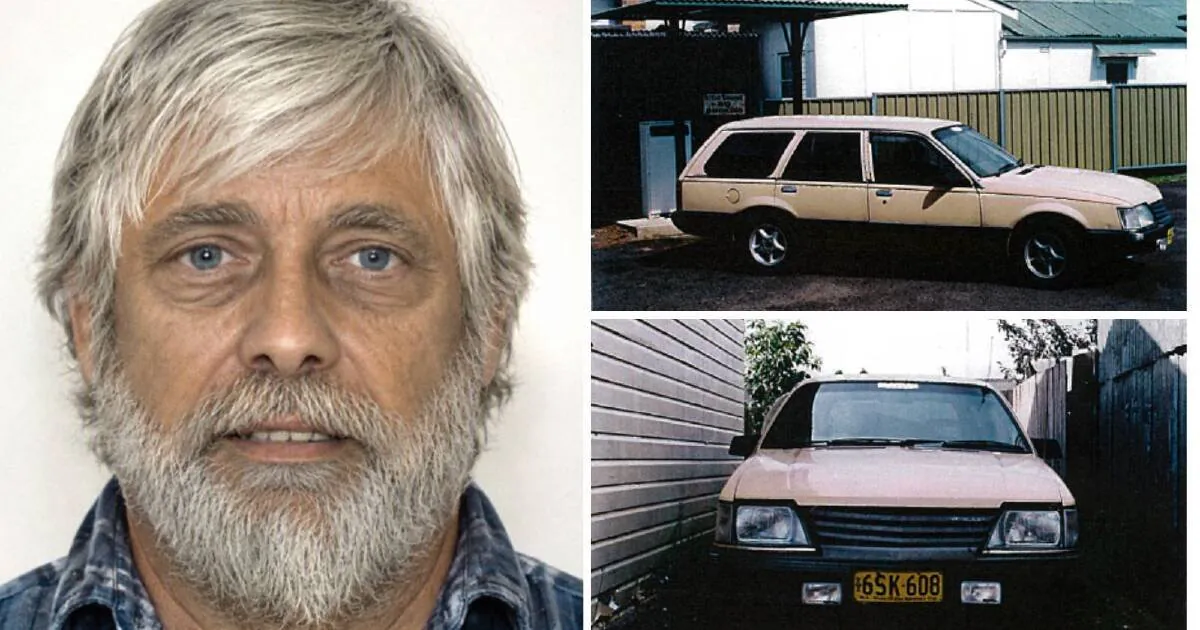
Unsolved Mystery of the Beige Holden Commodore: 27 Years On, Police Still Searching for Answers in Baffling Case of Man Found Dead in Car Near Glen Innes
- A man’s body was found in a car near Glen Innes in 1999, but his identity remains a mystery despite a lengthy police investigation.
- The car had unregistered plates and all other identifying features removed, deepening the mystery.
- Police are urging families of long-term missing people to provide DNA samples to help identify the man.
- The case is one of 283 unidentified remains found in NSW since 1961, with 875 long-term missing persons cases still on record.
The discovery of a man’s body in a car near Glen Innes in 1999 was a shocking event that sparked a lengthy police investigation. But despite numerous inquiries and advances in DNA technology, the identity of the man remains a mystery.
The case is a frustrating example of how some crimes can remain unsolved for decades, leaving families and loved ones searching for answers.
On September 1, 1999, police were called to a beige Holden Commodore parked off the Gwydir Highway near Glen Innes. Inside, they found the body of a man who had been travelling south, possibly from Queensland.
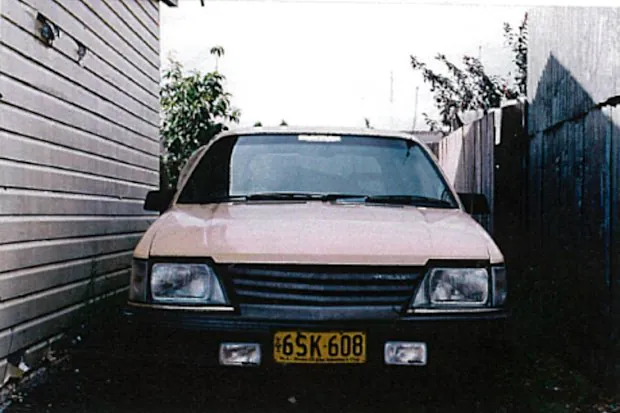
But as investigators began to look into the case, they realized that the car’s Western Australian licence plates were from a completely different vehicle that had been written off three years earlier.
All other identifying features had been scratched off or removed, leaving police with few leads to follow.


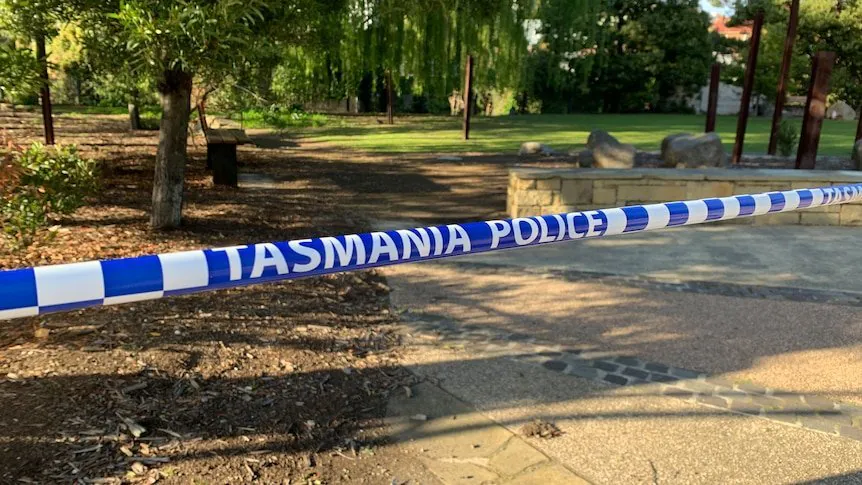
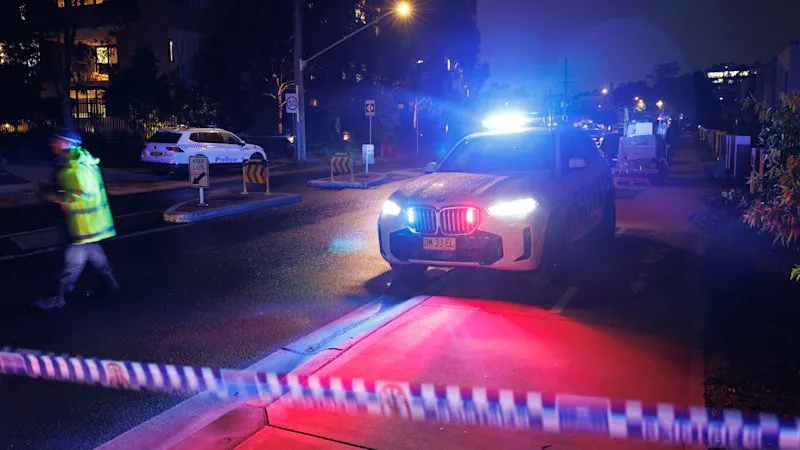
Crime manager for New England Police, Detective Inspector Kingsley Chapman, says it is unusual for a body to go unidentified for so long.
“This went before the coroner in 2000 and the investigators did a number of inquiries … unfortunately the coroner could not identify the identity of this man,” he said.
“Here we are 27-years later still seeking those answers to identify this man and hopefully give the family some answers as well.”
The man himself had little on him aside from a pair of faded blue denim jeans, light-coloured sneakers, and a blue-and-white chequered shirt with a grey nylon jacket.
Despite releasing an image of the man’s appearance, police still have no answers. As part of Missing Persons Week, police have renewed calls for any information that may help identify the man.
Analysis: What This Means for Australia
The case highlights the challenges faced by police in solving crimes that involve unidentified victims. With advances in DNA technology, there is still hope that the man’s identity can be revealed.
But the case also raises questions about the effectiveness of the current system for identifying missing persons. Security analysts say that the use of DNA technology is crucial in solving such cases, but it requires cooperation from the public.
Law enforcement insiders warn that the case is a reminder of the importance of reporting any suspicious activity to the authorities.
“If someone had reported the car with Western Australian plates in the area, it could have led to an earlier identification of the man,” said one insider.
Industry observers believe that the case highlights the need for a more coordinated approach to solving missing persons cases.
Police hope that someone will come forward with information that can help identify the man. “A beige Holden Commodore with Western Australia plates usually stands out in the area, particularly if you’re local,” Detective Inspector Chapman said.
“We’re hoping someone has that little bit of information … and may answer some of the questions the investigation team has and so does the family.”
As the investigation continues, police are urging families of long-term missing people to provide DNA samples to help identify the man.
With 875 long-term missing persons cases still on record, the case is a reminder of the importance of solving these crimes and providing closure for families.