Trump’s Latest Citizenship Crackdown: ‘Birth Tourism’ Ban Sparks Outrage as US President Signs New Executive Orders
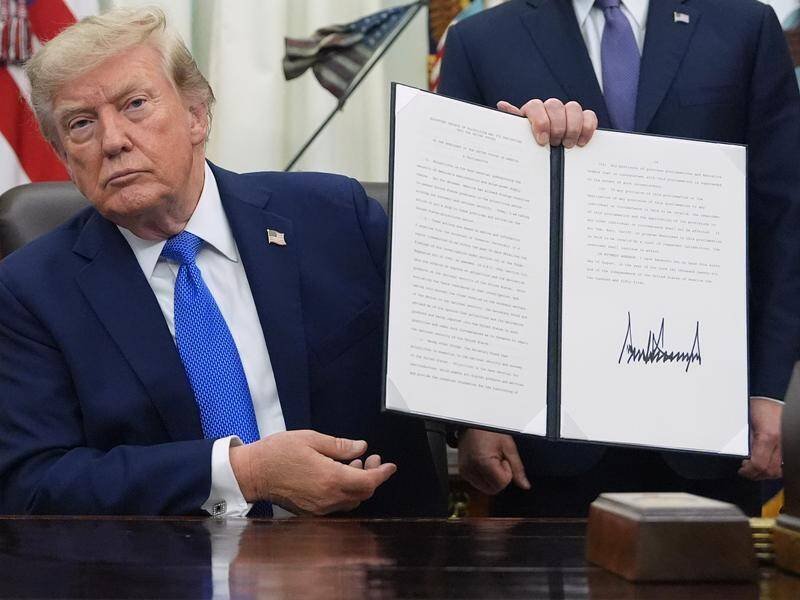
- US President Donald Trump has signed two executive orders aimed at curbing birthright citizenship, sparking fierce debate and likely court challenges.
- The move targets ‘birth tourism’, where pregnant foreigners travel to the US to give birth and secure citizenship for their children.
- Trump’s latest attempt follows a Supreme Court rejection of his previous effort, with the president claiming the new orders do not fall within the court’s ruling.
- The Centre for Immigration Studies estimates up to 25,000 mothers engage in birth tourism each year, with Trump calling the practice a ‘disgrace’.
In a dramatic escalation of his crackdown on immigration, US President Donald Trump has signed two executive orders aimed at curtailing birthright citizenship, a move likely to spark outrage and court challenges.
The orders target ‘birth tourism’, a practice where pregnant foreigners travel to the US to give birth and secure citizenship for their children.
Trump’s latest attempt comes after the Supreme Court rejected his previous effort, with the president claiming the new orders do not fall within the court’s ruling.
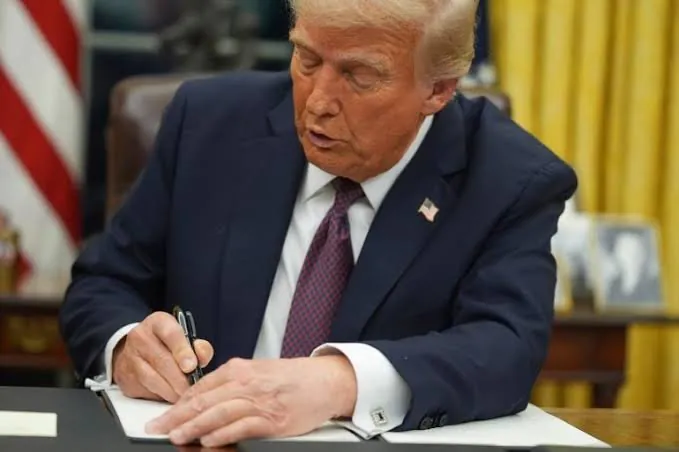
The move is part of Trump’s broader push to restrict immigration, with the White House taking particular aim at what it calls “birth tourism”. The practice has become a contentious issue, with Trump arguing it is a “disgrace” and a business opportunity for some.
The Centre for Immigration Studies estimates up to 25,000 mothers engage in birth tourism each year, although there are no official figures on the number of foreigners who come to the US for this purpose.



Trump’s orders also limit the rights of children born to foreign government employees in the US and children of people classified as alien enemies. Additionally, the orders could affect people born in US territories, should Congress enact a proposed law to end automatic citizenship there.
The White House argues the new directive does not fall within the limits of the Supreme Court ruling, allowing it to expand who would be considered ineligible for birthright citizenship.
However, the move is likely to face significant resistance. The Supreme Court previously rejected Trump’s effort to restrict birthright citizenship, and this latest attempt may also be challenged in court.
“We had a very unfortunate decision in the Supreme Court concerning birthright,” Trump said, referring to the 6-3 vote. “People are building businesses around it.
That’s not the way it’s supposed to work.”
Experts say the move could have significant implications for national security, with some warning it may drive the practice of birth tourism underground. “This is not a solution to the problem of birth tourism,” said one immigration analyst.
“It’s a symbolic gesture that will likely be challenged in court and may even drive the practice further underground.”
Analysis: What This Means for Australia
The US decision to restrict birthright citizenship could have significant implications for Australia, particularly in terms of national security and immigration policy.
Australia has its own issues with birth tourism, with some reports suggesting hundreds of women travel to the country each year to give birth and secure citizenship for their children.
The Australian government has taken steps to address the issue, including introducing new visa requirements for pregnant women, but the problem persists.
Security analysts say the US move could drive the practice of birth tourism to other countries, including Australia. “This is a global issue, and it requires a global response,” said one security expert.
“Australia needs to be vigilant and take steps to prevent birth tourism, or risk facing the consequences.”
Law enforcement insiders warn that the practice of birth tourism can also have significant implications for public safety. “Birth tourism is a lucrative business, and it attracts organized crime groups,” said one law enforcement source.
“We need to take action to stop it, or risk seeing it spread to other areas of our community.”
Industry observers believe the US move could also have significant economic implications, particularly for the tourism industry. “Birth tourism is a significant contributor to the US economy, particularly in states like California and New York,” said one industry expert.
“If the US is successful in restricting birthright citizenship, it could have a significant impact on the tourism industry, and potentially lead to job losses and economic instability.”