Migration Mayhem: Minister’s Last-Minute U-Turn Sparks Fears of Government Rift
- Home Affairs Minister Tony Burke’s sudden postponement of a major speech on migration reform has sparked claims of a top-level plot to water down the measures.
- Deputy Prime Minister Richard Marles denies any rift, insisting the delay is “not unusual” and that the government is “making significant progress” on the policy.
- The proposed reforms, which include tighter rules for family visas and tougher restrictions on work rights for asylum seekers, have been met with resistance from some ministers who believe they don’t go far enough.
- The government’s migration program has become a contentious issue, with the Coalition and One Nation calling for a curb on arrivals amid concerns over housing, services, and infrastructure.
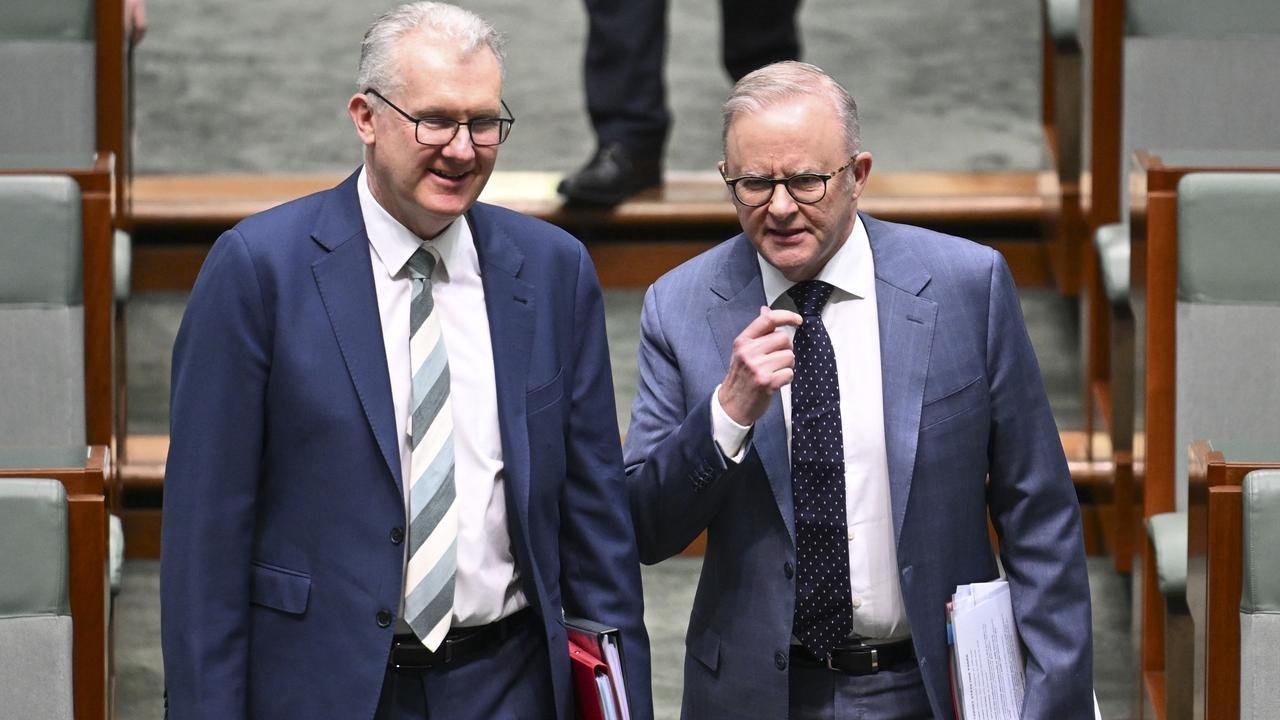
The sudden postponement of Home Affairs Minister Tony Burke’s speech on migration reform has sent shockwaves through the government, with claims of a top-level plot to water down the measures.
The speech, which was scheduled to take place at the National Press Club on Thursday, was cancelled without explanation just two days out, sparking speculation about the reasons behind the delay.
According to reports, Deputy Prime Minister Richard Marles led a group of senior ministers in overriding cabinet’s support for the measures, deeming them not tough enough.
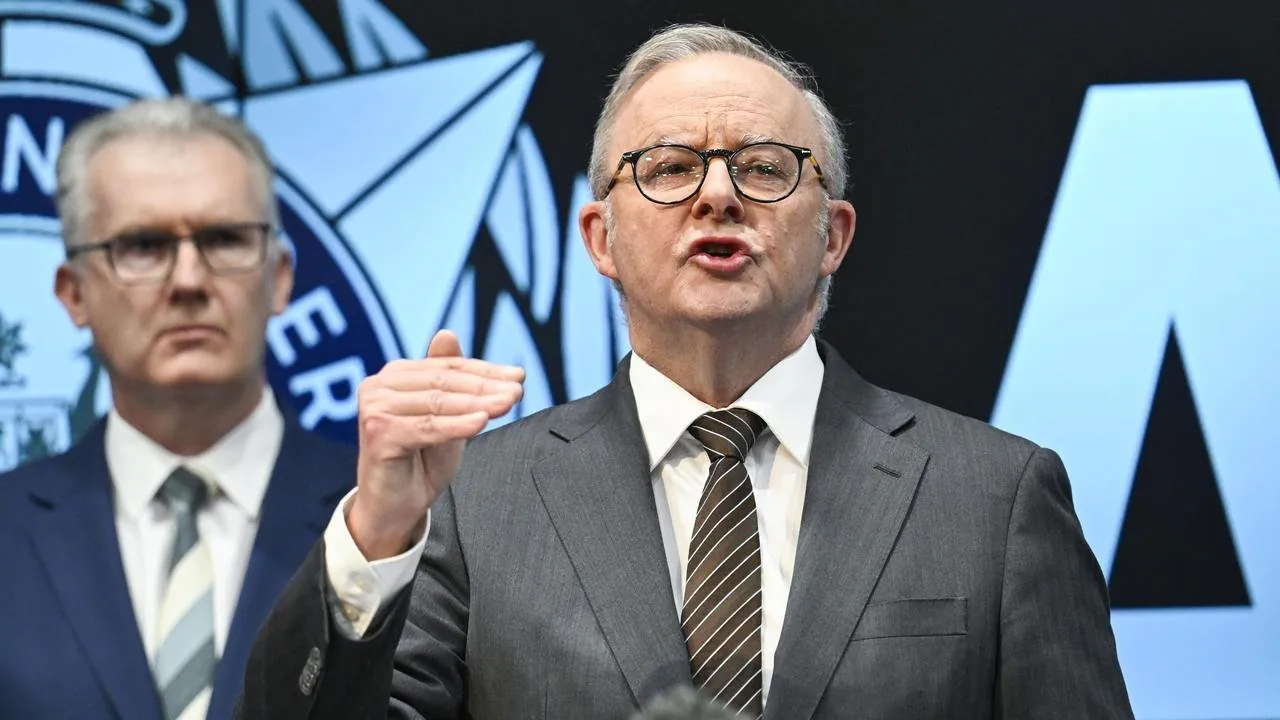
However, Mr Marles has denied any rift, insisting that the delay is “not unusual” and that the government is “making significant progress” on the policy. “Tony’s going to speak at the National Press Club shortly,” Mr Marles told News24.
“It’s not unusual for the dates to be changed.”




Despite Mr Marles’ assurances, the proposed reforms have been met with resistance from some ministers who believe they don’t go far enough.
The changes, which include tighter rules for family visas, a cap on backpackers, and tougher restrictions on work rights and appeal options for asylum seekers, have been designed to drive down net overseas migration.
However, some ministers are pushing for even tougher measures, citing concerns over housing, services, and infrastructure.
The government’s migration program has become a contentious issue, with the Coalition and One Nation calling for a curb on arrivals. Polling has shown an increasing number of Australians believe immigration is too high, and the government is under pressure to take action.
In response, Mr Burke quietly overhauled visa processing last month, prioritising skilled migrants already in the country over those applying from overseas.
The changes, which kicked in on July 25 without any public announcement, put onshore applicants working in law enforcement and the defence industry at the top of the priority list, while any offshore applicants not in healthcare, teaching, and construction were given lowest priority.
The focus on net overseas migrations comes amid concerns about the impact of high migration rates on the economy and society. The government has reduced the net migration rate by 45 per cent, but some are calling for even tougher measures.
“The migration program is really important for Australia – it always has been,” Mr Marles said. “It’s important for our economy, but it needs to be sustainable.
And in the aftermath of the pandemic, what we inherited was a very high migration rate.”
Analysis: What This Means for Australia
The government’s migration policy has significant implications for national security, law enforcement, and community safety.
The proposed reforms aim to tighten controls on who can enter the country and under what circumstances, but some are concerned that they don’t go far enough.
“Security analysts say that the current system is vulnerable to exploitation by organised crime and terrorist groups,” said one expert. “The government needs to take a tougher stance on migration to protect national security and community safety.”
Law enforcement insiders warn that the current migration system is also putting a strain on resources, with many agencies struggling to cope with the high volume of arrivals.
“The government needs to provide more resources to law enforcement agencies to deal with the impact of migration,” said one insider. “This includes more funding for border control and more support for agencies dealing with migrant-related crime.”
Industry observers believe that the government’s migration policy also has significant economic implications. “The government needs to balance the need for skilled migration with the need to protect Australian jobs and wages,” said one observer.
“The current system is open to exploitation by employers who are seeking to undercut Australian workers with cheap foreign labour.”