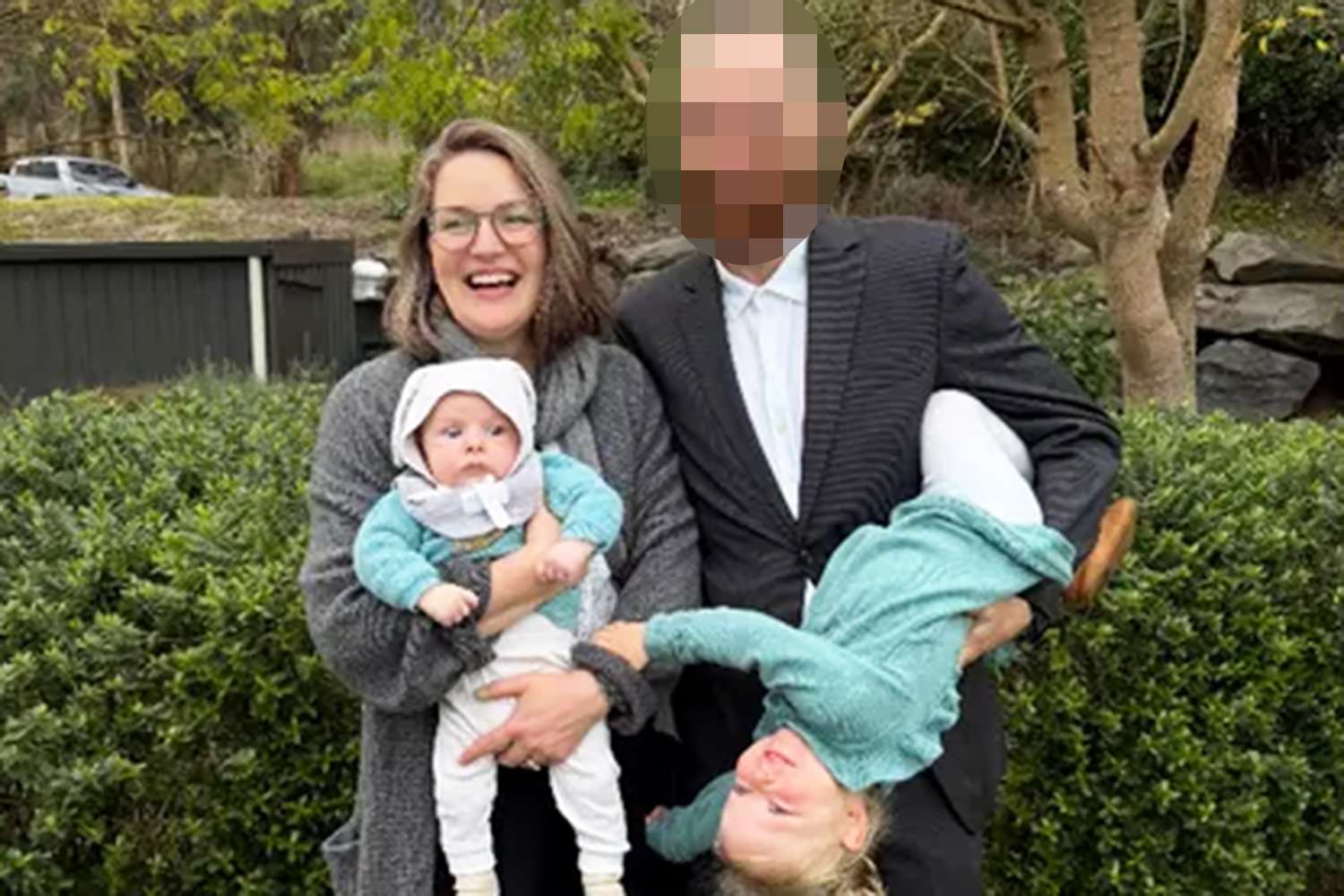
SA Police Commissioner Demands Answers Over Tragic Murder-Suicide as Questions Mount Over Force’s Handling of Helena Wright’s Plea for Help
- SA Police Commissioner Grant Stevens orders review of force’s interactions with Helena Wright, who killed herself and her 23-month-old daughter after visiting a police station
- Commissioner Stevens cautions against assumptions, but acknowledges questions over police handling of Wright’s case
- Police also face scrutiny over release of Raina Cruise, who assaulted a pregnant police officer and was freed on home detention almost a year before parole eligibility
In the wake of the devastating murder-suicide that claimed the lives of Helena Wright and her 23-month-old daughter, South Australia’s Police Commissioner Grant Stevens has called for a thorough examination of the force’s interactions with the young mother in the days leading up to the tragedy.
Stevens’ demand for answers comes as the police face mounting questions over their handling of Wright’s plea for help, as well as their decision to release a woman who assaulted a pregnant police officer on home detention almost a year before she was eligible for parole.
According to Commissioner Stevens, Wright visited the Mount Gambier Police Station the day before her body was discovered, and while he could not disclose the details of the interaction, he confirmed that she had spoken to a police officer.

Stevens emphasized that the upcoming coronial report would scrutinize the entire sequence of events, including all interactions between Wright and the police, to identify potential opportunities for improvement.
The SA Police Commissioner’s call for introspection is a crucial step towards understanding the circumstances surrounding Wright’s tragic death.
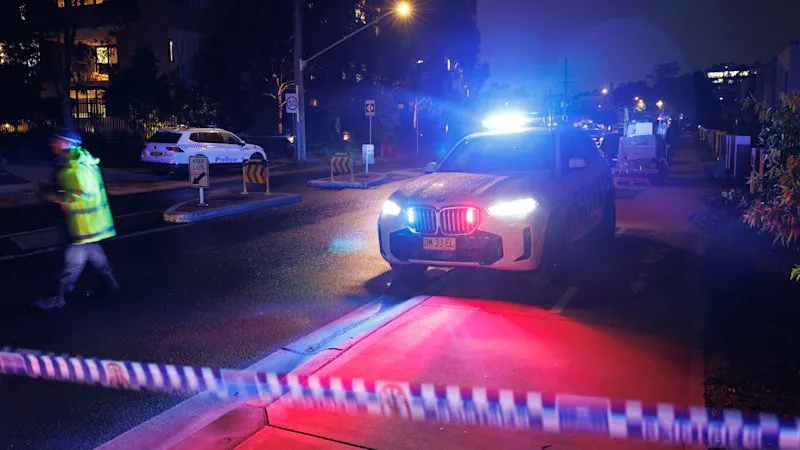
As the investigation unfolds, it is essential to examine the broader context of the events leading up to the incident, including the police’s response to Wright’s visit to the station.
Stevens’ commitment to transparency and accountability is a positive step towards ensuring that the police learn from this tragedy and implement necessary changes to prevent similar incidents in the future.
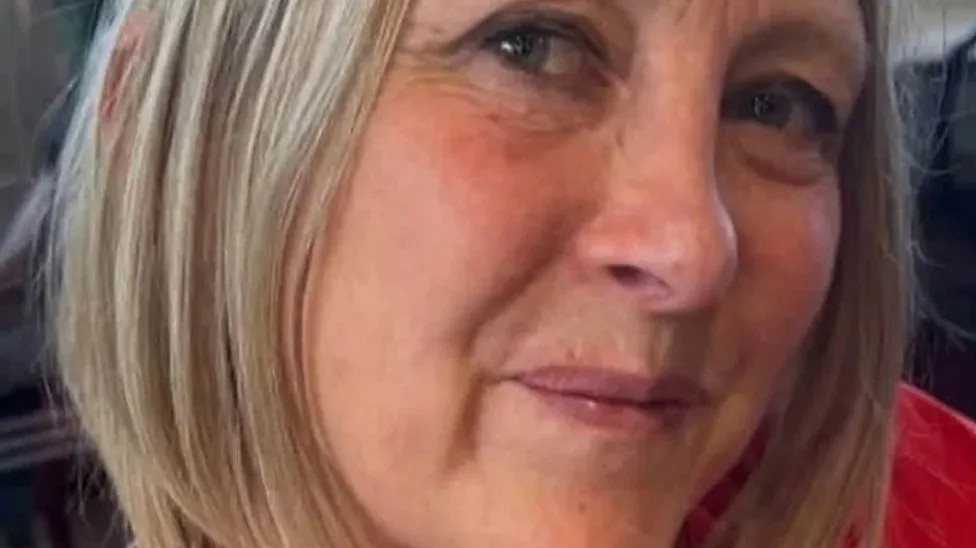
Meanwhile, the police are also facing criticism over their handling of Raina Cruise, a woman who assaulted a pregnant police officer and was released on home detention almost a year before she was eligible for parole.
Commissioner Stevens expressed his disappointment with the decision, stating that it “should not have arisen in the first place.” The incident has raised concerns about the effectiveness of the parole system and the potential risks posed by releasing violent offenders back into the community.
Analysis: What This Means for Australia
The tragic murder-suicide in South Australia raises serious concerns about the nation’s approach to mental health, domestic violence, and policing. As Commissioner Stevens’ review highlights, there is a need for a more nuanced understanding of the complex factors that contribute to such incidents.
The case also underscores the importance of effective communication and collaboration between law enforcement agencies, mental health services, and community organizations to prevent similar tragedies.
Security analysts say that the incident serves as a stark reminder of the critical role that police play in responding to vulnerable individuals in crisis.
The case highlights the need for police to receive specialized training in handling complex mental health situations, as well as the importance of community-based initiatives that promote early intervention and support.
Law enforcement insiders warn that the release of violent offenders like Raina Cruise on home detention poses a significant risk to community safety.
The incident has sparked calls for a review of the parole system and the need for more robust measures to monitor and manage high-risk offenders.
As the investigation into the murder-suicide continues, it is essential to prioritize the needs of the victims and their loved ones. The case serves as a poignant reminder of the devastating consequences of domestic violence and the importance of providing support and resources to those affected.
Expert commentary suggests that the incident highlights the need for a more comprehensive approach to addressing domestic violence, including increased funding for support services, education programs, and community initiatives.
By working together, we can create a safer and more supportive environment for all Australians.