Teenager Charged Amid Probe into Sinister ‘Commission’ Notes and Arson Attacks on Melbourne Businesses
- A 17-year-old has been charged with trafficking and possessing drugs, and possessing counterfeit money, as part of an investigation into notes left on shopfronts across Melbourne instructing owners to “call the Commission” before alleged arson attacks.
- Police believe the teenager may be involved in completing criminal tasks on behalf of an offshore crime syndicate, with investigators linking 19 handwritten or typed notes found in various locations across Melbourne and regional Victoria.
- The sinister notes, which have been found on shopfronts and other locations, are thought to be part of a pattern of extortion and control by the suspected organised crime group, which has already been linked to arson attacks on nightclubs, bars, and restaurants across Melbourne.
- The investigation has raised concerns about the vulnerability of young people to recruitment by organised crime groups, with Detective Inspector Graham Banks warning that the outcomes can be “devastating” for the wider community and the alleged offenders’ families.
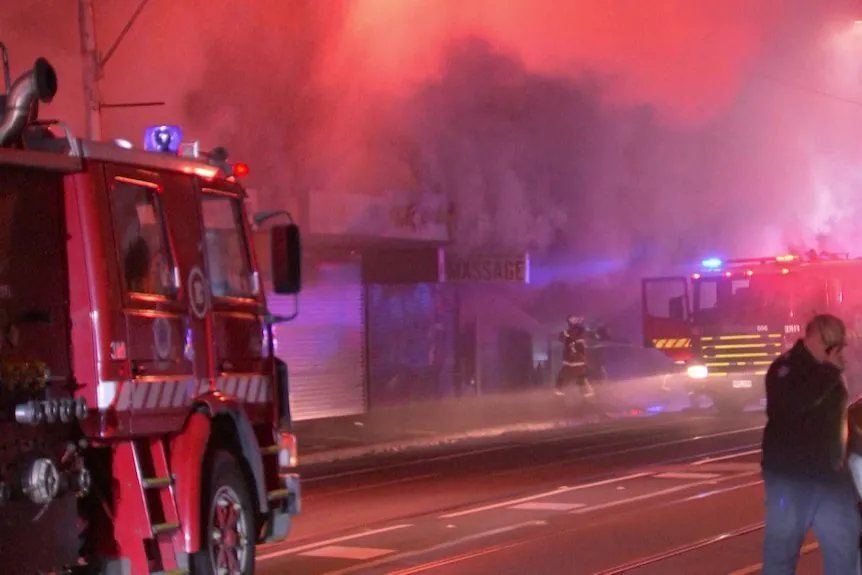
The streets of Melbourne have been left reeling after a series of arson attacks on businesses, with a sinister plot involving handwritten notes and a suspected offshore crime syndicate at the centre of the investigation.
The latest development in the case has seen a 17-year-old charged with a string of offences, including trafficking and possessing drugs, and possessing counterfeit money.
The teenager’s arrest is part of Operation Eclipse, a police investigation launched in April to probe the suspected organised crime syndicate responsible for the arson attacks on nightclubs, bars, and restaurants across Melbourne, as well as people associated with those businesses.

The operation has expanded to examine other acts of violence directed by this syndicate, which police believe have been undertaken to extort other businesses and control the illicit drug and tobacco markets.
The investigation has uncovered a pattern of notes being left on shopfronts and other locations, instructing owners to contact a suspected organised crime group known as “the Commission”.


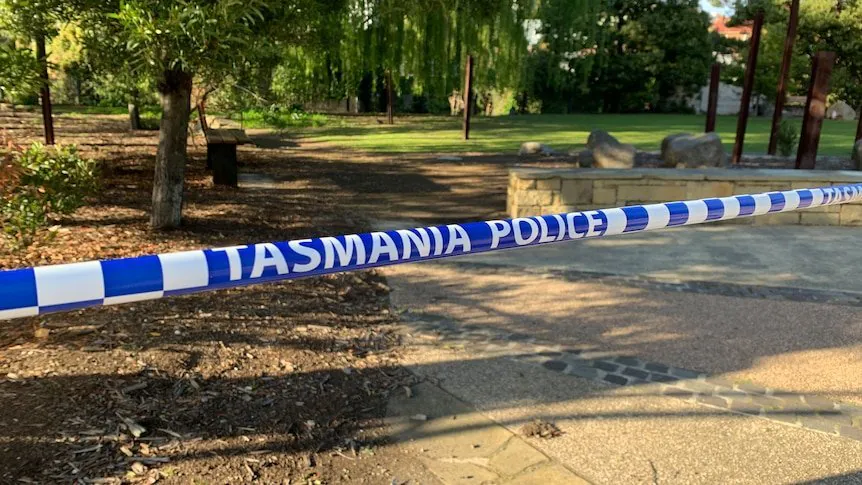

In early July, shopfronts on Victoria Street in Richmond were damaged in a suspected arson attack, just days after a note was found on the front of a local tobacco store instructing the owners to contact “the Commission”.
Police believe the 17-year-old may be involved in completing criminal tasks on behalf of the offshore crime syndicate, with investigators linking 19 handwritten or typed notes found in various locations across Melbourne and regional Victoria.
The notes are thought to be part of a pattern of extortion and control by the suspected organised crime group, which has already been linked to arson attacks on nightclubs, bars, and restaurants across Melbourne.
The investigation has raised concerns about the vulnerability of young people to recruitment by organised crime groups. Detective Inspector Graham Banks warned that the outcomes can be “devastating” for the wider community and the alleged offenders’ families.
“We are quite often arresting youths who were not previously known to police and who have had no prior police contact,” he said in a statement.
“Lured by the prospect of what they are told is some easy cash and anonymity behind encrypted devices, young people are committing serious criminal offences which have grave or life-changing ramifications.
This is not easy cash — these threats are playing with people’s livelihoods and their own sense of safety and it will not be tolerated.”
Analysis: What This Means for Australia
The investigation highlights the growing threat of organised crime in Australia, and the need for law enforcement agencies to adapt to new tactics and technologies.
The use of encrypted devices and online platforms has made it easier for organised crime groups to recruit and communicate with young people, who may be lured by the promise of easy cash and excitement.
Security analysts say that the investigation demonstrates the need for a more coordinated approach to tackling organised crime, with greater collaboration between law enforcement agencies and other stakeholders.
“We need to be working together to identify and disrupt the networks that are recruiting and exploiting young people,” said one analyst.
The investigation also raises concerns about the impact of organised crime on local communities, with businesses and residents facing threats and intimidation. Community leaders are calling for greater support and resources to help prevent the spread of organised crime, and to provide support to those affected.
As the investigation continues, police are urging anyone with information to come forward. The case is a stark reminder of the dangers of organised crime, and the need for vigilance and cooperation to keep our communities safe.