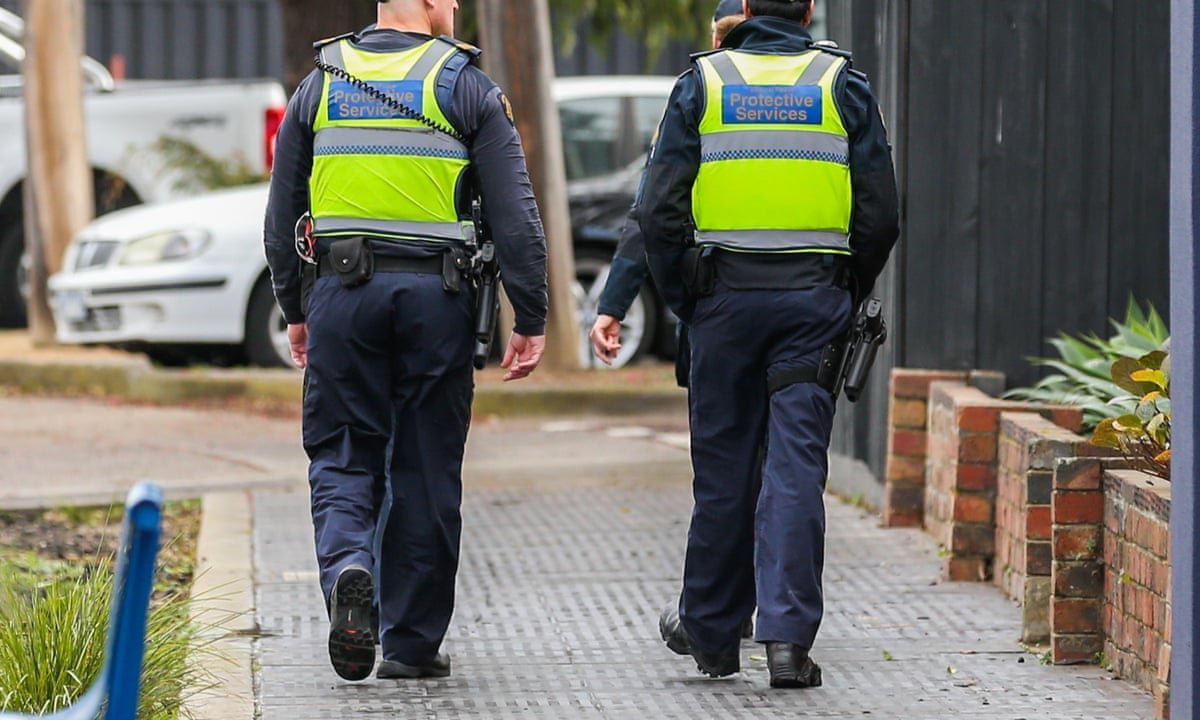
Armed Guards to Patrol Hospitals: The $10 Million Plan to Tackle Victoria’s Healthcare Security Crisis
- Vic opposition vows to deploy 70 armed Protective Services Officers (PSOs) across seven major hospitals in a bid to curb violent incidents
- The two-year pilot program is set to cost $10 million, with PSOs working 24/7 to provide security presence and respond to serious incidents
- Victorian government slams the plan, saying it’s more focused on law and order than investing in healthcare workers
- Experts warn that the move could be a ‘Band-Aid solution’ to a deeper problem, with some calling for more investment in mental health services
The streets of Melbourne are about to get a whole lot safer – or so the opposition hopes.
In a bold bid to tackle the rising tide of violent incidents in Victoria’s hospitals, the Liberal-National Coalition has pledged to deploy 70 armed Protective Services Officers (PSOs) across seven major hospitals.
The two-year pilot program, set to cost $10 million, promises to provide a visible security presence and respond to serious incidents. But is it enough to stem the flow of violence, or is it just a Band-Aid solution to a deeper problem?
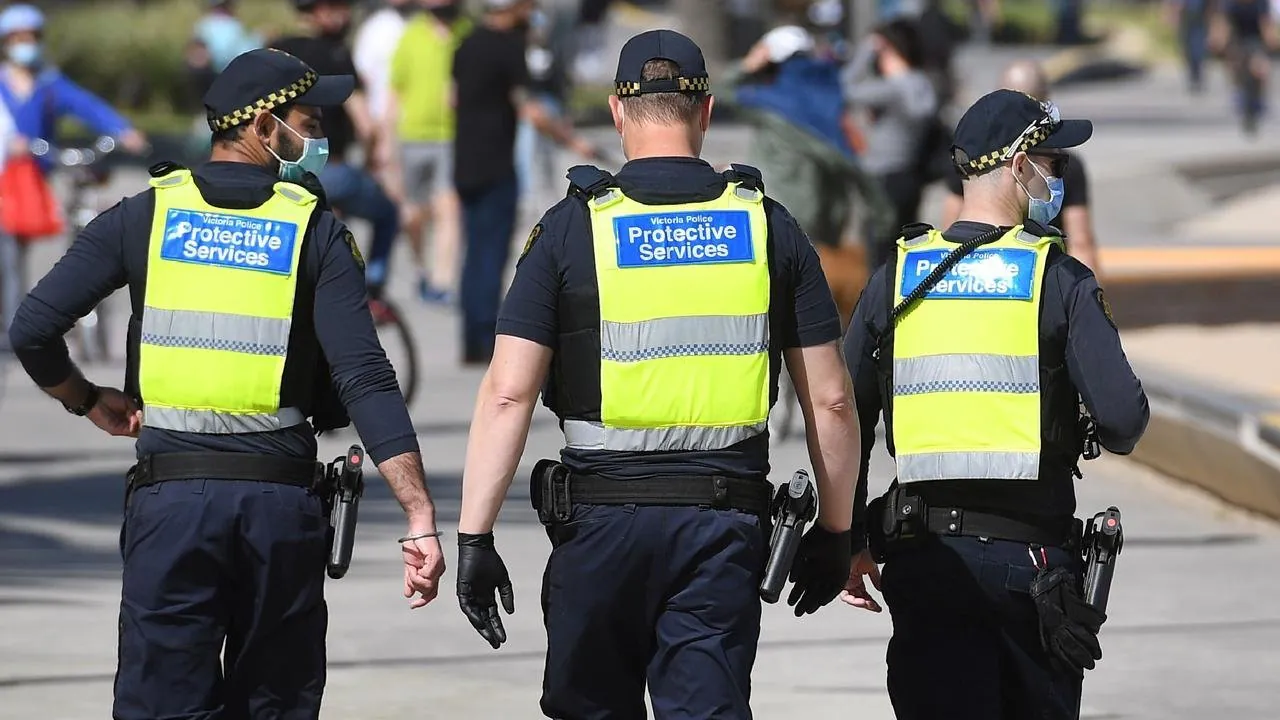
At the heart of the plan is the PSO – a highly trained, armed officer with the power to apprehend, arrest, search, and fine people in designated areas.
Introduced in 2011, the PSOs have been a fixture on Victoria’s train stations, working to bolster safety and prevent crime. Now, they’re set to take on a new role – protecting patients and staff in the state’s hospitals.

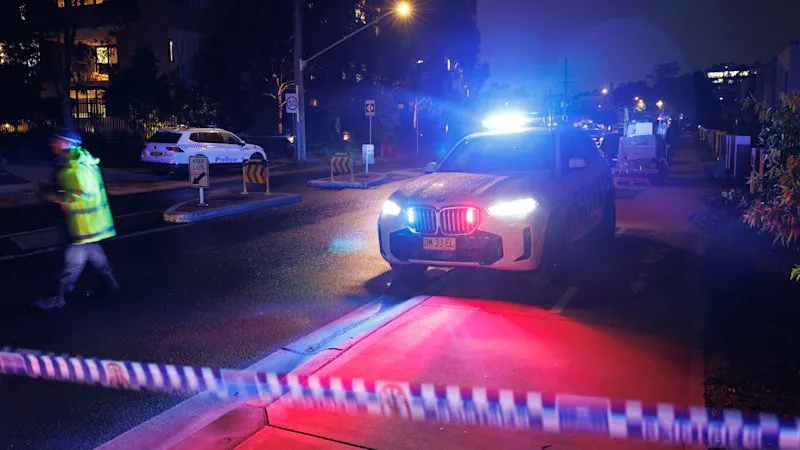
According to reports tabled in the Victorian parliament, the need for increased security is clear. In the 2024-2025 financial year, there were close to 24,000 violent incidents recorded across dozens of public health services.
It’s a staggering statistic that has left many in the community calling for action. For Opposition Leader Jess Wilson, the answer is simple – more security.
“PSOs will provide that security presence, working alongside existing security, integrating with them, and providing a visible deterrence around these hospitals to ensure that patients feel safe and clinicians feel safe,” she said.
But not everyone is convinced. Minister for Medical Research Anthony Carbines has accused the opposition of being “sort of obsessed” with law and order in healthcare.
“It’s fascinating that the opposition are more focused about law and order in our health services than investment in nurses, investment in health workers, investment in health practitioners,” he said.
So what does this mean for Australia? The deployment of PSOs in hospitals is a clear indication that the state is taking a more hardline approach to security.
But is it the right approach?
Security analysts say that while the presence of armed officers may provide a short-term solution, it doesn’t address the underlying causes of violence in hospitals.
Analysis: What This Means for AustraliaThe decision to deploy PSOs in hospitals has significant implications for national security and law enforcement.
On one hand, it sends a clear message that the state is committed to protecting its citizens – even in the most vulnerable of settings. On the other hand, it raises questions about the role of law enforcement in healthcare and the potential for over-militarization.
Law enforcement insiders warn that the move could have unintended consequences, including the potential for increased aggression and conflict. “It’s a delicate balance between providing security and creating a sense of safety, versus creating a sense of intimidation and aggression,” said one expert.
Industry observers believe that the key to addressing violence in hospitals lies in investing in mental health services and providing support to frontline staff. “We need to address the root causes of violence, rather than just treating the symptoms,” said one healthcare expert.
As the debate rages on, one thing is clear – the people of Victoria deserve to feel safe in their hospitals. Whether the deployment of PSOs is the answer remains to be seen.
One thing is certain, however – it’s a step in the right direction.
The streets of Melbourne are about to get a whole lot safer – or so the opposition hopes. In a bold bid to tackle the rising tide of violent incidents in Victoria’s hospitals, the Liberal-National Coalition has pledged to deploy 70 armed Protective Services Officers (PSOs) across seven major hospitals. The two-year pilot program, set to cost $10 million, promises to provide a visible security presence and respond to serious incidents. But is it enough to stem the flow of violence, or is it just a Band-Aid solution to a deeper problem?
At the heart of the plan is the PSO – a highly trained, armed officer with the power to apprehend, arrest, search, and fine people in designated areas. Introduced in 2011, the PSOs have been a fixture on Victoria’s train stations, working to bolster safety and prevent crime. Now, they’re set to take on a new role – protecting patients and staff in the state’s hospitals.
According to reports tabled in the Victorian parliament, the need for increased security is clear. In the 2024-2025 financial year, there were close to 24,000 violent incidents recorded across dozens of public health services. It’s a staggering statistic that has left many in the community calling for action.
For Opposition Leader Jess Wilson, the answer is simple – more security. “PSOs will provide that security presence, working alongside existing security, integrating with them, and providing a visible deterrence around these hospitals to ensure that patients feel safe and clinicians feel safe,” she said.
But not everyone is convinced. Minister for Medical Research Anthony Carbines has accused the opposition of being “sort of obsessed” with law and order in healthcare. “It’s fascinating that the opposition are more focused about law and order in our health services than investment in nurses, investment in health workers, investment in health practitioners,” he said.
So what does this mean for Australia? The deployment of PSOs in hospitals is a clear indication that the state is taking a more hardline approach to security. But is it the right approach? Security analysts say that while the presence of armed officers may provide a short-term solution, it doesn’t address the underlying causes of violence in hospitals.
The decision to deploy PSOs in hospitals has significant implications for national security and law enforcement. On one hand, it sends a clear message that the state is committed to protecting its citizens – even in the most vulnerable of settings. On the other hand, it raises questions about the role of law enforcement in healthcare and the potential for over-militarization.
Law enforcement insiders warn that the move could have unintended consequences, including the potential for increased aggression and conflict. “It’s a delicate balance between providing security and creating a sense of safety, versus creating a sense of intimidation and aggression,” said one expert.
Industry observers believe that the key to addressing violence in hospitals lies in investing in mental health services and providing support to frontline staff. “We need to address the root causes of violence, rather than just treating the symptoms,” said one healthcare expert.
As the debate rages on, one thing is clear – the people of Victoria deserve to feel safe in their hospitals. Whether the deployment of PSOs is the answer remains to be seen. One thing is certain, however – it’s a step in the right direction.